
Dr Sunil Dixit
About Me
Dr Sunil Dixit
MD
Cardiologist
10 Years Experience
Biography
My Clinic
OPD Hours
| Monday | Morning | 10:00 AM | - | 02:00 PM |
| Evening | 06:00 PM | - | 09:00 PM | |
| Tuesday | Morning | 10:00 AM | - | 02:00 PM |
| Evening | 06:00 PM | - | 09:00 PM | |
| Wednesday | Morning | 10:00 AM | - | 02:00 PM |
| Evening | 06:00 PM | - | 09:00 PM | |
| Thursday | Morning | 10:00 AM | - | 02:00 PM |
| Evening | 06:00 PM | - | 09:00 PM | |
| Friday | Morning | 10:00 AM | - | 02:00 PM |
| Evening | 06:00 PM | - | 09:00 PM | |
| Saturday | Morning | 10:00 AM | - | 02:00 PM |
| Evening | 06:00 PM | - | 09:00 PM | |
| Sunday | Morning | 10:00 AM | - | 02:00 PM |
| Evening | 06:00 PM | - | 09:00 PM |
Treatments
Specialised care and treatments offered
PERIPHERAL ARTERY DISEASE

The narrowing of peripheral arteries limits blood flow mainly to legs and feet. It commonly affects adults above middle age but may appear earlier in those with risk factors affecting circulation systemically.
- Symptoms : Intermittent claudication causing leg cramps after walking; numbness or coldness in extremities;
- Causes : Atherosclerosis due to smoking diabetes hypertension high cholesterol;
- Diagnosis : Ankle-brachial index test compares blood pressure measurements between arm & ankle; duplex ultrasound visualizes arterial flow;
- Treatment : Exercise programs increase collateral circulation easing symptoms; antiplatelet drugs prevent clot formation; revascularization procedures reserved for severe cases;
Early lifestyle intervention coupled with medical treatment helps preserve limb function preventing serious consequences such as ulcers or amputations.
HEART FAILURE TREATMENT
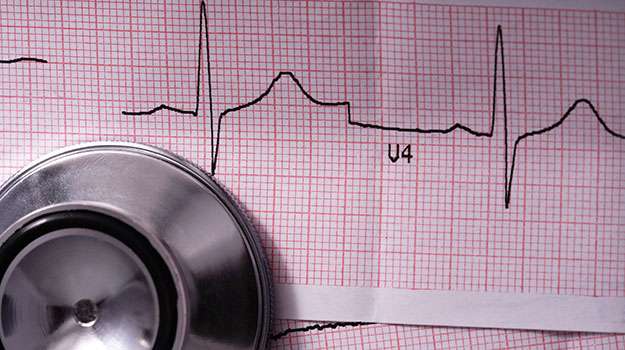
This condition occurs when the heart cannot pump blood efficiently enough to meet the body’s needs. It requires comprehensive care focused on symptom relief and slowing disease progression.
- Symptoms: Fatigue, breathlessness especially on exertion or lying down; swelling in legs/abdomen due to fluid retention;
- Causes: Often develops from coronary artery disease, high blood pressure or previous myocardial infarction damaging cardiac muscle;
HYPERTENSION MANAGEMENT
High blood pressure is a widespread cardiovascular issue that increases strain on arteries and vital organs if left uncontrolled. It often has no noticeable symptoms but requires ongoing attention for prevention of serious complications.
- Causes: Genetics, obesity, sedentary lifestyle, excessive salt intake, stress are common contributors.
- Diagnosis: Multiple readings using calibrated sphygmomanometers at rest confirm diagnosis; ambulatory monitoring may be used for accuracy.
- Treatment options: Combination of lifestyle changes—such as weight reduction and reduced sodium intake—and antihypertensive medications tailored individually.
- Monitoring: Regular blood pressure checks help assess effectiveness of therapy and adjust as necessary to maintain target levels below 140/90 mmHg generally.
A proactive approach to controlling hypertension safeguards against stroke, kidney disease, heart failure, and other adverse health effects.
ARRHYTHMIA MANAGEMENT
Arrhythmias involve irregular heartbeats that may be too fast, too slow, or erratic. They can impact how well the heart pumps blood throughout the body.
- Symptoms: Palpitations, dizziness, chest discomfort, fainting spells in some cases.
- Causes: Underlying heart disease, electrolyte imbalances, medications, or idiopathic factors.
- Diagnosis: Electrocardiogram (ECG), Holter monitoring over 24-48 hours to capture episodes of abnormal rhythm.
- Treatment options: Lifestyle modifications including avoiding caffeine/alcohol; medications like anti-arrhythmics; procedures such as catheter ablation or implantable devices (pacemakers/ICDs).
Proper control of arrhythmias reduces risks of stroke or sudden cardiac events and improves overall cardiac function.
CONGENITAL HEART DISEASE
Congenital Heart Disease (CHD) refers to structural problems with the heart present at birth. These defects can affect how blood flows through the heart and body.
- Symptoms: Cyanosis (bluish skin), rapid breathing, poor growth in infants; sometimes no symptoms until adulthood.
- Causes: Developmental issues during gestation; genetic factors may contribute.
- Diagnosis: Echocardiography is essential for detailed visualization; other tests include chest X-ray and MRI.
- Treatment options: Depend on defect type and severity - ranges from monitoring mild cases to surgical repair or catheter-based interventions for complex defects.
- Long-term outlook: Many live normal lives with treatment; ongoing cardiology care is important for managing potential complications.
Timely evaluation enables appropriate interventions that can greatly improve outcomes for affected individuals of all ages.
CORONARY ARTERY DISEASE
Coronary Artery Disease (CAD) is a common heart condition caused by the narrowing or blockage of the coronary arteries, often due to plaque buildup. This reduces blood flow to the heart muscle, which can lead to chest pain or heart attacks.
- Symptoms: Chest discomfort, shortness of breath, fatigue, especially during physical activity.
- Causes: Atherosclerosis from high cholesterol, smoking, hypertension, diabetes, and family history.
- Diagnosis: Includes ECG, stress tests, echocardiogram, and coronary angiography to visualize artery blockages.
- Treatment options: Lifestyle changes like diet and exercise; medications such as statins and beta-blockers; procedures like angioplasty or bypass surgery if needed.
- Management: Regular follow-ups to monitor symptoms and prevent progression through risk factor control.
Early detection and proactive management can significantly reduce complications associated with CAD and improve quality of life.