
Dr Sunil Goenka
About Me
Dr Sunil Goenka
MD
Dermatologist
10 Years Experience
Biography
My Clinic
OPD Hours
| Monday | Morning | 10:00 AM | - | 02:00 PM |
| Evening | 06:00 PM | - | 09:00 PM | |
| Tuesday | Morning | 10:00 AM | - | 02:00 PM |
| Evening | 06:00 PM | - | 09:00 PM | |
| Wednesday | Morning | 10:00 AM | - | 02:00 PM |
| Evening | 06:00 PM | - | 09:00 PM | |
| Thursday | Morning | 10:00 AM | - | 02:00 PM |
| Evening | 06:00 PM | - | 09:00 PM | |
| Friday | Morning | 10:00 AM | - | 02:00 PM |
| Evening | 06:00 PM | - | 09:00 PM | |
| Saturday | Morning | 10:00 AM | - | 02:00 PM |
| Evening | 06:00 PM | - | 09:00 PM | |
| Sunday | Morning | 10:00 AM | - | 02:00 PM |
| Evening | 06:00 PM | - | 09:00 PM |
Treatments
Specialised care and treatments offered
SKIN ALLERGIES
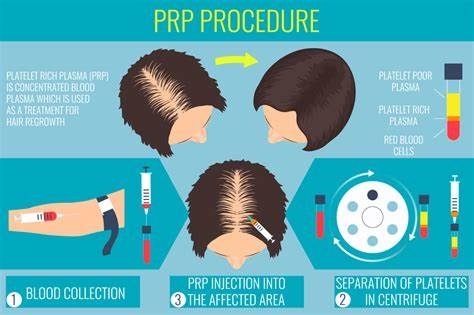
An allergic reaction involving the skin manifests when it comes into contact with allergens such as certain metals (like nickel), cosmetics or plants (such as poison ivy). Understanding these allergies plays a vital role in management strategies focused on avoidance and appropriate treatment measures
- Common symptoms may include redness around affected areas accompanied by itching or swelling complaints.
- Diagnosis generally follows patch testing where suspected allergens are applied on small patches placed onto healthy portions of skin over several days.
- Treatment often includes antihistamines alongside topical corticosteroids aimed at alleviating symptoms caused by reactions observed
- Identifying precise triggers is critical; this knowledge allows individuals greater control over their situations leading towards improved quality-of-life outcomes
With proper awareness + proactive steps taken towards avoiding irritants will reduce incidences drastically overall!
ROSACEA
This chronic inflammatory condition primarily affects facial areas leading to redness and visible blood vessels. Rosacea presents uniquely among individuals making it essential to tailor management strategies accordingly.
- The most common signs include facial flushing, persistent redness, bumps similar to acne lesions, or even eye irritation known as ocular rosacea.
- Diagnosis usually requires careful evaluation by reviewing patient symptoms coupled with physical examination findings
- Treatment plans may incorporate lifestyle modifications along with topical medications like metronidazole or azelaic acid designed specifically for rosacea.
- Avoiding known triggers such as spicy foods or extreme temperatures is key in minimizing flare-ups.
Individuals can effectively manage rosacea by understanding their triggers while adhering consistently to prescribed treatments.
HYPERPIGMENTATION
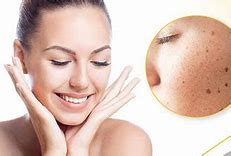
This condition presents as darkened patches on the skin due to an excess production of melanin. Hyperpigmentation can arise from various causes including sun exposure or hormonal changes.
- The most noticeable symptom is uneven skin tone which can affect confidence levels for those affected.
- A dermatologist will assess your medical history along with a visual examination for accurate diagnosis.
- Treatments often involve topical lightening agents like hydroquinone or vitamin C serums alongside sunscreen use to prevent further darkening.
- Laser therapy might also be considered for more stubborn cases requiring professional intervention for improvement.
With consistent treatment and protective measures against UV exposure, many see significant reduction in pigmentation over time.
ACNE
A prevalent skin condition that affects many individuals during their teenage years but can persist into adulthood. Acne occurs when hair follicles become clogged with oil and dead skin cells.
- Typical symptoms include various types of pimples such as blackheads, whiteheads, and cystic lesions.
- A diagnosis usually involves evaluating the type and severity of acne present on the skin.
- Treatment may consist of topical retinoids, benzoyl peroxide products, oral antibiotics, or hormonal therapies for women.
- It’s important to maintain a regular skincare regimen tailored to your unique skin type for effective management.
Coping with acne requires patience; however, effective treatments are available to reduce breakouts and improve overall skin appearance.
PSORIASIS
This is an autoimmune disorder that leads to rapid skin cell production, causing thick, red patches covered with silvery scales. Psoriasis can significantly impact quality of life due to its visible nature.
- Common triggers include stress, infections, and certain medications that may exacerbate the condition.
- A dermatologist typically diagnoses psoriasis through a visual examination of the affected areas.
- Treatment seeks to reduce inflammation using topical treatments, phototherapy, or systemic medications in more severe cases.
- Managing symptoms often involves regular moisturizing to keep the skin hydrated and minimize irritation.
Your treatment plan will vary based on your specific needs and how your condition manifests over time.
ECZEMA
Eczema is a chronic skin condition characterized by inflamed, itchy, and red patches on the skin. It often results from a combination of genetic and environmental factors that disrupt the skin barrier.
- Symptoms may include dry, scaly skin, intense itching, and areas of redness.
- The diagnosis is typically based on a physical examination and the patient's history.
- Treatment options encompass moisturizers, topical corticosteroids, and immunomodulators to relieve symptoms.
- Identifying triggers—such as certain foods or fabrics—is crucial in managing flare-ups.
- Regular use of emollients can help maintain skin hydration and barrier function.
While eczema varies in severity, it can often be effectively managed with a tailored approach to skincare and lifestyle modifications.