
Dr Sunil K Jindal
About Me
Dr Sunil K Jindal
MD
Cardiologist
10 Years Experience
Biography
My Clinic
OPD Hours
| Monday | Morning | 10:00 AM | - | 02:00 PM |
| Evening | 06:00 PM | - | 09:00 PM | |
| Tuesday | Morning | 10:00 AM | - | 02:00 PM |
| Evening | 06:00 PM | - | 09:00 PM | |
| Wednesday | Morning | 10:00 AM | - | 02:00 PM |
| Evening | 06:00 PM | - | 09:00 PM | |
| Thursday | Morning | 10:00 AM | - | 02:00 PM |
| Evening | 06:00 PM | - | 09:00 PM | |
| Friday | Morning | 10:00 AM | - | 02:00 PM |
| Evening | 06:00 PM | - | 09:00 PM | |
| Saturday | Morning | 10:00 AM | - | 02:00 PM |
| Evening | 06:00 PM | - | 09:00 PM | |
| Sunday | Morning | 10:00 AM | - | 02:00 PM |
| Evening | 06:00 PM | - | 09:00 PM |
Treatments
Specialised care and treatments offered
VALVULAR HEART DISEASE

This condition involves damage or defect in one of the four valves of the heart—mitral valve,aortic valve,pulmonary valve,and tricuspid valve—leading them unable properly close/open influencing normal blood flow pattern & overall function significantly causing myriad effects down road , depending severity involved .
.- .
- .
CHOLESTEROL MANAGEMENT
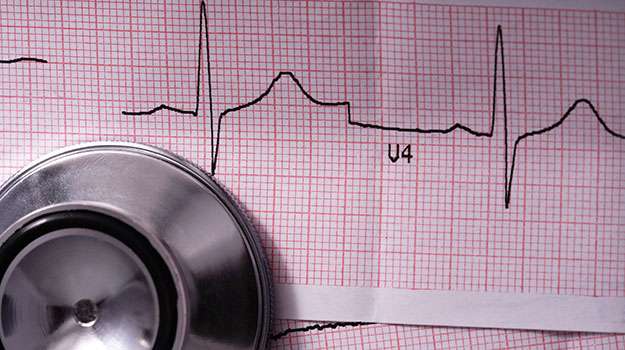
The management of cholesterol levels plays a crucial role in maintaining cardiovascular health. Elevated cholesterol contributes significantly to plaque formation in arteries which can lead to serious complications such as coronary artery disease or heart attack over time
.- Causes: Factors influencing cholesterol levels include diet rich in saturated fats/trans fats and genetic predisposition affecting lipid metabolism.
- Symptoms: High cholesterol itself doesn’t have overt symptoms; thus routine screening through blood tests is vital for detection.
- Diagnosis: A lipid panel assesses total cholesterol triglycerides; recommendations necessitate intervention when values exceed certain thresholds .
- Treatment Options: Therapeutic approaches involve dietary modifications alongside pharmacological agents such as statins aimed at lowering LDL while promoting HDL increase .< / li />
- < Strong what To Expect :
ARRHYTHMIA
An arrhythmia refers to abnormal heart rhythms that result from disturbances in the electrical impulses regulating heartbeat. These irregularities can vary from harmless palpitations to life-threatening conditions that require immediate medical attention.
- Symptoms: Patients might feel fluttering in their chest, dizziness, fainting spells, or even experience palpitations.
- Causes: Common causes include electrolyte imbalances, underlying health conditions like coronary artery disease or thyroid dysfunctions.
- Diagnosis: Electrocardiograms (ECGs) provide critical information about the rhythm; further testing may establish any underlying cause.
- Treatment Options: Management strategies depend on severity; options range from lifestyle changes and medication adjustments to more invasive procedures like catheter ablation.
- What to Expect: With appropriate treatment aimed toward correcting abnormal rhythms, patients often see improvement in overall cardiac function.
Regular follow-up consultations are important for monitoring rhythm stability after treatment has been initiated.
HEART FAILURE
This chronic condition signifies that the heart is unable to pump sufficiently to maintain blood flow needed by the body’s other organs. Heart failure can affect both sides of the heart and usually develops over time due to various underlying conditions.
- Symptoms: Common symptoms include fatigue, swelling in legs and ankles (edema), persistent cough, and difficulty breathing during activities or when lying down.
- Causes: It often results from conditions like coronary artery disease, high blood pressure, or previous heart attacks.
- Diagnosis: The diagnosis typically includes physical exams combined with tests like echocardiograms and blood tests assessing heart function.
- Treatment Options:The focus lies on managing symptoms with medications (such as diuretics) alongside lifestyle adjustments including sodium restriction and engaging in regular exercise tailored per individual capacity.
- What to Expect: Proper management allows many individuals with heart failure to lead active lives despite their diagnosis; ongoing monitoring is crucial for optimal control.
It’s essential for patients facing this condition to work closely with healthcare providers for an effective care plan.
CORONARY ARTERY DISEASE
This condition occurs when the coronary arteries become narrowed or blocked due to a buildup of plaque. This narrowing can reduce blood flow to the heart muscle and lead to chest pain or heart attacks.
- Symptoms: Patients may experience angina (chest pain), shortness of breath, fatigue, or in severe cases, heart attacks.
- Causes: Major risk factors include high cholesterol levels, smoking, diabetes, and a sedentary lifestyle.
- Diagnosis: Diagnosis options range from stress testing to angiography which helps visualize blood flow in the coronary arteries.
- Treatment Options: Lifestyle changes along with medications may be prescribed. In advanced cases, procedures like angioplasty or bypass surgery may be necessary.
- What to Expect: With early diagnosis and proactive management strategies, individuals can significantly improve their heart health and overall quality of life.
A proactive approach towards prevention and management of coronary artery disease is key to maintaining a healthy heart.
HYPERTENSION
Hypertension, commonly known as high blood pressure, is a prevalent cardiovascular condition that can lead to serious health issues if left untreated. It is often termed the 'silent killer' since it may not present noticeable symptoms until significant damage occurs.
- Causes: Factors such as obesity, lack of physical activity, and high sodium intake can contribute to elevated blood pressure levels.
- Symptoms: Many individuals are asymptomatic, but some may experience headaches, shortness of breath, or nosebleeds.
- Diagnosis: Diagnosis typically involves regular monitoring of blood pressure readings at office visits or through home blood pressure devices.
- Treatment Options: Management may include lifestyle modifications like diet and exercise, along with medications such as diuretics or ACE inhibitors.
- What to Expect: With compliance to treatment plans and regular follow-ups, hypertension can often be effectively controlled.
Understanding hypertension is crucial for preventing complications such as heart attack or stroke. Regular check-ups are vital in managing this condition effectively.