
Dr Sunil Kaushal
About Me
Dr Sunil Kaushal
MD
Cardiologist
10 Years Experience
Biography
My Clinic
OPD Hours
| Monday | Morning | 10:00 AM | - | 02:00 PM |
| Evening | 06:00 PM | - | 09:00 PM | |
| Tuesday | Morning | 10:00 AM | - | 02:00 PM |
| Evening | 06:00 PM | - | 09:00 PM | |
| Wednesday | Morning | 10:00 AM | - | 02:00 PM |
| Evening | 06:00 PM | - | 09:00 PM | |
| Thursday | Morning | 10:00 AM | - | 02:00 PM |
| Evening | 06:00 PM | - | 09:00 PM | |
| Friday | Morning | 10:00 AM | - | 02:00 PM |
| Evening | 06:00 PM | - | 09:00 PM | |
| Saturday | Morning | 10:00 AM | - | 02:00 PM |
| Evening | 06:00 PM | - | 09:00 PM | |
| Sunday | Morning | 10:00 AM | - | 02:00 PM |
| Evening | 06:00 PM | - | 09:00 PM |
Treatments
Specialised care and treatments offered
LIFESTYLE STRATEGIES FOR PERIPHERAL ARTERY DISEASE

This condition involves narrowing arteries outside the heart leading to reduced blood flow chiefly in legs. Proper lifestyle choices can alleviate symptoms effectively.
Adopting these lifestyle strategies under medical guidance enhances quality of life despite peripheral artery disease challenges .
CHOLESTEROL MANAGEMENT
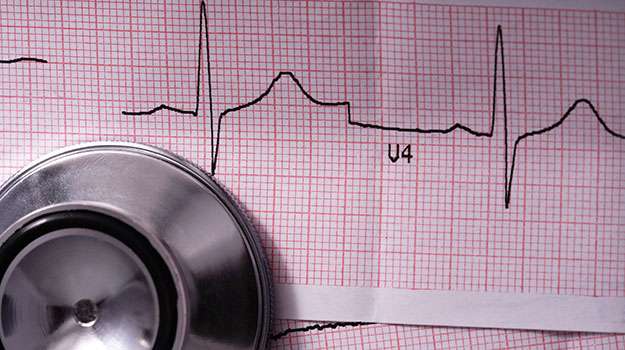
The level of cholesterol in the blood plays a pivotal role in cardiovascular health. Keeping it within recommended ranges lowers disease risk significantly.
- Main Contributors:: High intake of saturated fats, lack of exercise, genetic predisposition often elevate cholesterol levels dangerously high.
ARRHYTHMIA MONITORING AND CONTROL
An arrhythmia refers to an abnormal heart rhythm that can affect how well your heart works. Early recognition improves treatment effectiveness.
- Causative Factors:: Can be triggered by electrolyte imbalance, coronary artery disease or sometimes occur without clear reason.
- Diagnostic Tools:: Holter monitors or event recorders track irregular rhythms over time for accurate assessment.
- Treatment Approaches:: May involve lifestyle modifications like reducing caffeine and alcohol consumption along with medications to stabilize heartbeat patterns if needed.
HEART FAILURE LIFESTYLE ADJUSTMENTS
This chronic condition arises when the heart cannot pump blood efficiently. Managing it well improves quality of life and reduces hospitalization risks.
- Understanding Symptoms: Breathlessness, fatigue, swelling in legs due to fluid retention are common signs.
- Diagnosis Methods:
CORONARY ARTERY DISEASE PREVENTION
Coronary artery disease results from narrowing of the arteries supplying blood to the heart muscle. Preventing its progression is key to maintaining heart health.
- Main Causes: Atherosclerosis due to cholesterol buildup, smoking, diabetes, and sedentary lifestyle contribute significantly.
- Detection: Tests like ECGs, stress tests, or lipid profiles assess risk factors early on.
- Lifestyle Management: Emphasizes quitting smoking, maintaining a healthy diet rich in fruits and vegetables, regular exercise, and managing stress.
- Treatment Options: Include medications such as statins and antiplatelet drugs when necessary.
A proactive approach combining healthy habits with medical support helps reduce the risk of heart attacks related to coronary artery disease.
HYPERTENSION MANAGEMENT
High blood pressure, or hypertension, is a common cardiovascular condition that affects millions worldwide. It often has no symptoms but can lead to serious heart problems if left untreated.
- Causes and Symptoms: Often called the 'silent killer,' hypertension may arise from genetics, lifestyle, obesity, or stress.
- Diagnosis: Regular blood pressure monitoring helps detect elevated levels early.
- Treatment: Lifestyle changes like diet modifications, increased physical activity, limiting salt intake, and sometimes medication are used.
- Management: Ongoing monitoring is essential to prevent complications such as heart attacks or stroke.
By adopting heart-healthy habits and following medical advice, individuals can effectively control hypertension and maintain better cardiovascular health.