
Dr Sunil Kelkar
About Me
Dr Sunil Kelkar
General Physician
Biography
My Clinic
OPD Hours
| Tuesday | Morning | 10:00 AM | - | 02:00 PM |
| Evening | 06:00 PM | - | 09:00 PM | |
| Wednesday | Morning | 10:00 AM | - | 02:00 PM |
| Evening | 06:00 PM | - | 09:00 PM | |
| Thursday | Morning | 10:00 AM | - | 02:00 PM |
| Evening | 06:00 PM | - | 09:00 PM | |
| Friday | Morning | 10:00 AM | - | 02:00 PM |
| Evening | 06:00 PM | - | 09:00 PM | |
| Saturday | Morning | 10:00 AM | - | 02:00 PM |
| Evening | 06:00 PM | - | 09:00 PM | |
| Sunday | Morning | 10:00 AM | - | 02:00 PM |
| Evening | 06:00 PM | - | 09:00 PM | |
| Thursday | Morning | 10:00 AM | - | 02:00 PM |
| Evening | 06:00 PM | - | 09:00 PM |
Treatments
Specialised care and treatments offered
GASTROESOPHAGEAL REFLUX DISEASE (GERD)
This common digestive disorder occurs when stomach acid frequently flows back into the esophagus causing irritation. Understanding GERD is key in preventing discomfort while managing its symptoms effectively over time without compromising overall well-being too severely!
-
Symptoms:< /span/> Heartburn often felt after eating meals remains prominent along regurgitation sensations troubling sleep cycles nights deteriorating quality-life considerably if ignored persisting untreated!
< span style="font-weight:bold;"> Causes:< / span/>Dietary choices spicy foods alcoholic substances carbonated beverages induce occurrences while obesity exacerbates difficulties encountered complicates digestion processes exacerbating already distressed situations.
n
THYROID DISORDERS

The thyroid gland plays an essential role in regulating metabolism through hormone production. Disorders affecting the thyroid can lead to various symptoms impacting energy levels and overall health status.
- Symptoms: Common signs include unexplained weight changes (gain or loss), fatigue, sensitivity to temperature fluctuations (hot/cold), hair thinning or dryness.
- Causes: Autoimmune conditions like Graves’ disease or Hashimoto’s thyroiditis contribute significantly alongside iodine deficiency potentially causing irregularities within hormone production.
- Diagnosis: /blood tests assessing TSH alongside Free T4/T3 hormone levels facilitate understanding thyroid functionality accurately allowing targeted approaches moving forward through treatments availability identified based on person’s findings from evaluations undertaken particularly emphasizing how varying disorders affect them differently challenging outcomes across cases requiring individualized attention needed consistently addressing each unique presentation recorded thus far! n
It’s vital understanding one’s situation thoroughly investigating signs accompanying disturbances perceived contextually differentiating between types properly classifying them meticulously educationally empowering patients foster insights relating self-care methods paired proactive physician involvement guiding endeavors successfully navigating pathways envisioned achieving wellness-oriented goals henceforth onwards infinitely valuable!
CHOLESTEROL MANAGEMENT

An imbalance in cholesterol levels can lead to cardiovascular diseases over time. Monitoring cholesterol is essential for maintaining overall heart health and reducing risks associated with high levels of LDL (bad cholesterol).
- Symptoms: High cholesterol itself typically does not present clear symptoms; however, it may lead to complications such as heart disease that manifest through chest pain or weakness.
- Causes: Dietary habits rich in saturated fats combined with sedentary lifestyles can increase cholesterol production in the liver.
- Diagnosis: Routine blood tests measure total cholesterol levels including LDL and HDL (good cholesterol) concentrations; this helps assess risk factors effectively
Treatment: Lifestyle changes such as eating healthier foods complemented by exercise are key; medication may also be prescribed depending on individual needs.
- What To Expect: Regular follow-ups will help track lipid profiles over time ensuring all measures remain effective towards achieving optimal results.
Managing cholesterol proactively helps minimize risks related cardiovascular events while promoting lasting health benefits throughout life’s journey!
ASTHMA
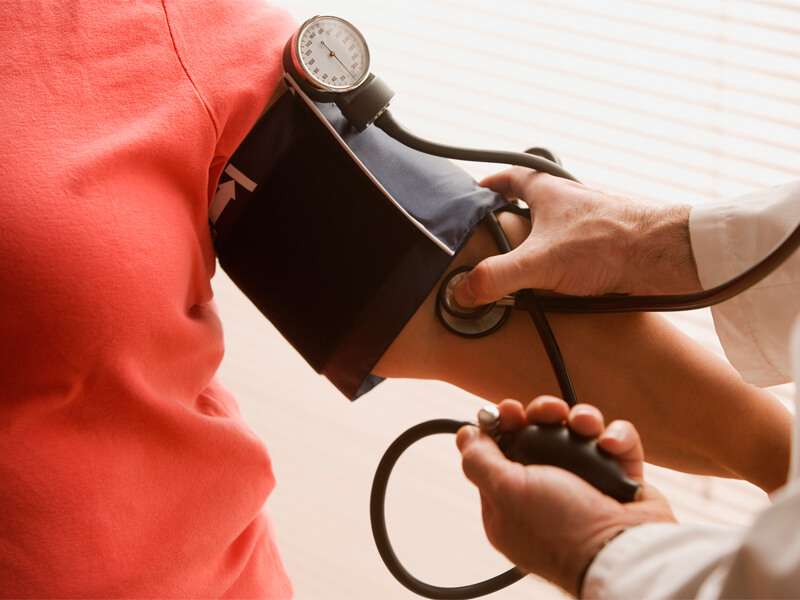
Asthma is a chronic respiratory condition marked by inflammation of the airways. Understanding triggers and treatment strategies can significantly improve quality of life for those affected.
- Symptoms: Common signs include wheezing, shortness of breath, chest tightness, and coughing which may worsen at night or during exercise.
- Causes: Allergens such as pollen or dust mites, smoke exposure, and respiratory infections can provoke asthma symptoms in sensitive individuals.
- Diagnosis: A thorough medical history alongside pulmonary function tests can confirm asthma diagnosis by measuring airflow obstruction during normal activities versus exacerbations.
- Treatment: Management usually includes avoiding triggers and using prescribed inhalers—both rescue inhalers for immediate relief and controller medications for long-term management.
If you experience asthma-like symptoms or have been diagnosed previously but require better control of your condition, seeking guidance from a healthcare provider is essential for effective management strategies.
DIABETES MANAGEMENT

Diabetes is a prevalent metabolic disorder characterized by high blood sugar levels. Proper management is crucial to prevent complications associated with the disease over time.
- Symptoms: Increased thirst, frequent urination, fatigue, and blurred vision are common indicators of diabetes.
- Causes: Genetics plays a role; however, poor diet and inactivity significantly contribute to Type 2 diabetes onset.
- Diagnosis: Blood glucose tests are typically used to diagnose diabetes and assess ongoing management effectiveness through A1C testing.
- Treatment: Effective management involves dietary changes, regular physical activity, monitoring blood sugar levels, and medication or insulin therapy if needed.
- What to Expect: A collaborative approach with your healthcare team ensures personalized care tailored to your specific needs while promoting a healthier lifestyle.
If you are experiencing symptoms associated with high blood sugar levels or have risk factors for diabetes, it’s important to consult a healthcare professional for screening and advice.
HYPERTENSION

Hypertension, commonly known as high blood pressure, is a chronic condition that can lead to serious health issues if left unmanaged. It often presents without noticeable symptoms, making regular monitoring essential.
- Symptoms: Most individuals do not experience clear symptoms; however, some may report headaches, dizziness, or nosebleeds in severe cases.
- Causes: Factors contributing to hypertension include genetics, obesity, high sodium intake, and sedentary lifestyle.
- Diagnosis: Blood pressure readings taken during routine check-ups will help identify any abnormalities. This may be supported by additional tests like blood work for underlying conditions.
- Treatment: Management options include lifestyle modifications such as diet and exercise, along with medications when necessary to keep blood pressure within a healthy range.
- What to Expect: Regular follow-ups will help track your progress and adjust treatment plans accordingly. Building a supportive plan is crucial for long-term control.
If you suspect you have hypertension or are at risk due to family history or lifestyle choices, it's vital to seek evaluation and guidance promptly.