
Dr Sunil Kumar J
About Me
Dr Sunil Kumar J
Cardiologist
Biography
My Clinic
OPD Hours
| Monday | Morning | 10:00 AM | - | 02:00 PM |
| Evening | 06:00 PM | - | 09:00 PM | |
| Tuesday | Morning | 10:00 AM | - | 02:00 PM |
| Evening | 06:00 PM | - | 09:00 PM | |
| Wednesday | Morning | 10:00 AM | - | 02:00 PM |
| Evening | 06:00 PM | - | 09:00 PM | |
| Thursday | Morning | 10:00 AM | - | 02:00 PM |
| Evening | 06:00 PM | - | 09:00 PM | |
| Friday | Morning | 10:00 AM | - | 02:00 PM |
| Evening | 06:00 PM | - | 09:00 PM | |
| Saturday | Morning | 10:00 AM | - | 02:00 PM |
| Evening | 06:00 PM | - | 09:00 PM | |
| Sunday | Morning | 10:00 AM | - | 02:00 PM |
| Evening | 06:00 PM | - | 09:00 PM |
Treatments
Specialised care and treatments offered
ATRIAL FIBRILLATION SCREENING

Atrial fibrillation (AFib) is a common type of irregular heartbeat that can increase the risk of stroke and other complications. Early detection through screening is paramount for managing this condition effectively:
- The screening typically includes pulse checks followed by an ECG if abnormalities are detected during initial assessments indicating possible AFib presence necessity further investigation accordingly required thereafter confirming ongoing therapies proposed tailored individualized basis thereafter thereafter improving clinical outcomes towards reducing hospitalization rates going forward respectively keeping long-term follow-up visits arranged out there routinely coordinated henceforth!
- Common symptoms might involve palpitations alongside feeling dizzy overwhelmed experiencing weakness dramatically leading individuals reluctant seeking immediate attention without hesitation delaying appropriate treatments potentially exacerbating issues prevailing causing unnecessary anxiety throughout everyday life experiences thus ensuring educational materials provided informing staff assisting community outreach programs enhance awareness across neighborhoods uplifting each other's spirits together comprehensively united fighting collectively combating challenges ahead favorable positive futures resulting wellness-oriented paths ahead!
Detecting atrial fibrillation early means timely intervention necessary discourage additional adverse impacts via planned therapeutic courses resulting longevity remaining active healthier lifestyles progressively maintained promoting empowerment thus significantly benefiting patient journeys towards fruitful endeavors enriching lives during their respective timelines henceforth onwards ultimately paving pathways from recovery phases into thriving days!
CONGESTIVE HEART FAILURE MANAGEMENT
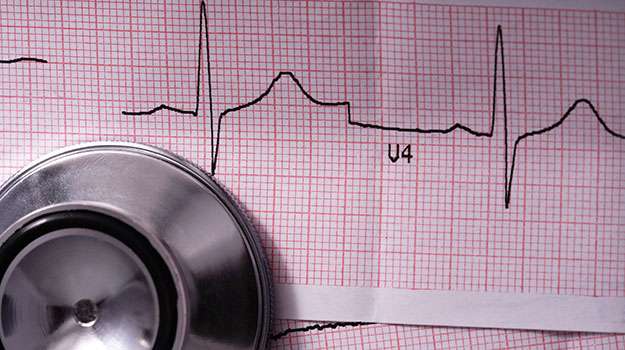
Congestive heart failure (CHF) occurs when the heart cannot pump sufficient blood to meet bodily needs. It’s vital that patients understand CHF for effective self-management and treatment adherence:
- Symptoms include persistent cough, fatigue, swelling in legs or abdomen, and unexpected weight gain due to fluid retention caused by poor circulation.
- A diagnosis is achieved through physical exams, imaging tests like echocardiograms, and lab tests analyzing kidney function which reflect overall cardiovascular status as well.
- Treatment generally focuses on lifestyle adjustments along with prescribed medication regimes such as diuretics or ACE inhibitors depending on severity level established during initial evaluation.
- Regular monitoring ensures optimal management while educating patients about recognizing symptom exacerbation assists them immensely in avoiding emergencies related to CHF flare-ups.
Successful management plays an integral part towards enhancing quality of life among individuals living with congestive heart failure if targeted interventions are adhered closely towards throughout their journey towards better living conditions.
HEART DISEASE RISK ASSESSMENT
Understanding one’s risk for heart disease is critical for proactive health management. A comprehensive risk assessment evaluates factors that contribute to cardiovascular conditions.
- Your personal history along with family history plays a significant role in evaluating overall risk factors including diabetes or smoking habits.
- A thorough physical examination coupled with laboratory tests like lipid profile assessments establishes baseline markers pertinent to coronary artery disease risk.
- Your healthcare provider may suggest lifestyle changes such as improved diet and increased physical activity tailored specifically according to individual needs.
- This assessment often includes education about recognizing symptoms early on and knowing when to seek medical attention to prevent serious complications down the line.
Regular evaluations are key components in reducing risks associated with heart disease effectively so that necessary measures can be implemented promptly when risks are identified.
ELECTROCARDIOGRAM (ECG)
An electrocardiogram (ECG) is a crucial diagnostic tool used to assess the heart's electrical activity. This simple test provides invaluable insights into cardiovascular function.
- The ECG records the timing and strength of electrical signals traveling through the heart, which helps in identifying arrhythmias or other cardiac conditions.
- No special preparation is required; the procedure usually takes just a few minutes to complete.
- Results from an ECG can indicate various issues such as evidence of previous heart attacks or signs of myocarditis.
- Your doctor may recommend follow-up tests based on the ECG findings to confirm any concerns detected during this initial assessment.
This non-invasive test is essential for early detection and effective management of potential heart problems. Regular screenings can lead to better outcomes through preventive care measures.
CHOLESTEROL SCREENING
Cholesterol levels play a crucial role in heart health. Screening for cholesterol is an important step in detecting potential cardiovascular issues early on.
- A lipid panel test measures various types of cholesterol and triglycerides in your bloodstream, providing insight into your heart disease risk.
- High levels of low-density lipoprotein (LDL) cholesterol are associated with increased cardiovascular risk.
- A healthy diet, regular exercise, and medications when needed are effective strategies to manage cholesterol levels.
- The screening process typically involves a simple blood draw, often recommended every 4-6 years for adults over 20.
Catching abnormal cholesterol levels early allows for timely intervention that can significantly improve overall heart health.
HYPERTENSION MANAGEMENT
Hypertension, or high blood pressure, is a chronic condition that can lead to serious health complications if left untreated. Understanding hypertension is vital for maintaining cardiovascular health.
- Symptoms may not be apparent in the early stages; however, severe cases can lead to headaches, shortness of breath, or nosebleeds.
- Diagnosis typically involves measuring blood pressure over multiple visits. Additional tests may include blood tests and electrocardiograms.
- Treatment options often include lifestyle changes such as diet and exercise, as well as medications like diuretics or ACE inhibitors.
- Monitoring your blood pressure regularly can help you track your health progress and adjust treatment plans accordingly.
Effective management of hypertension is essential for preventing heart disease and stroke. Regular consultations with a healthcare provider can ensure that you maintain optimal health.