
Dr Sunil Kumar S
About Me
Dr Sunil Kumar S
Cardiologist
Biography
My Clinic
OPD Hours
| Monday | Morning | 10:00 AM | - | 02:00 PM |
| Evening | 06:00 PM | - | 09:00 PM | |
| Tuesday | Morning | 10:00 AM | - | 02:00 PM |
| Evening | 06:00 PM | - | 09:00 PM | |
| Wednesday | Morning | 10:00 AM | - | 02:00 PM |
| Evening | 06:00 PM | - | 09:00 PM | |
| Thursday | Morning | 10:00 AM | - | 02:00 PM |
| Evening | 06:00 PM | - | 09:00 PM | |
| Friday | Morning | 10:00 AM | - | 02:00 PM |
| Evening | 06:00 PM | - | 09:00 PM | |
| Saturday | Morning | 10:00 AM | - | 02:00 PM |
| Evening | 06:00 PM | - | 09:00 PM | |
| Sunday | Morning | 10:00 AM | - | 02:00 PM |
| Evening | 06:00 PM | - | 09:00 PM |
Treatments
Specialised care and treatments offered
CORONARY ARTERY BYPASS GRAFTING (CABG)

CABG is a surgical procedure designed for patients with severely narrowed coronary arteries resulting from plaque buildup. It reroutes blood flow around blocked vessels using grafts made from arteries or veins taken from other parts of your body.
- Typical warning signs include overwhelming fatigue upon exertion alongwith chest pains linked directly back towards inadequate blood supply reaching myocardium levels leading toward ischemic conditions emerging over time! Onset varies drastically between individuals based on existing comorbidities affecting cardiovascular system integrity itself too–such considerations play role determining necessity herein!
- Confirmatory diagnostics performed via angiography bestow insight into arterial blockages enabling informed decisions regarding this option versus conservative approaches available additionally should factors permit consideration negatively towards pursuing CABG instead given circumstances warrant revising overall plan subsequently thereafter so optimal outcomes achieved safely!
- Bypass grafting entails extracting segments harvested responsibly whilst avoiding compromises placed upon either leg veins leading up closer vicinity introducing healthy ones back into circulation seamlessly whenever indicated reflecting urgency necessitating intervention still isn’t ideal candidate before undergoing evaluation !
- Hospital stays usually span several days depending on individual tolerability levels providing adequate healing environment fostering recovery following high-stress periods experienced inherently throughout lengthy operations performed routinely today successful pathways observed consistently ensuring excellent prognoses partaking courses undertaken together collaboratively never foregoing respect prioritizing both physical emotional aspects!
Recognizing importance shared across interconnected dimensions emphasizes creating sustainable foundations supporting continual improvements achieved toward healthier lifestyles everyone striving becomes key contributing factor favoring sustained longevity henceforth understandably so each facet matters significantly impacting journeys embarked upon gradually evolving optimally benefiting millions involved collectively enabling outreach assisting back whenever possible creating solid networks reaching far beyond conventional domains leading ultimately toward happier living standards universally interpreted positively !
IMPLANTABLE CARDIOVERTER DEFIBRILLATOR (ICD) PLACEMENT
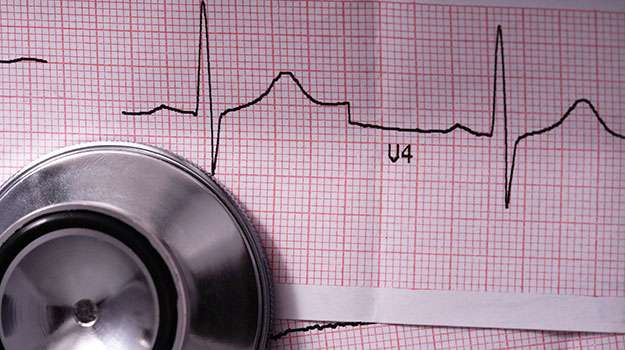
An implantable cardioverter defibrillator (ICD) offers protection against sudden cardiac arrest by monitoring heart rhythms continuously. This device can detect life-threatening arrhythmias and deliver shocks if necessary to restore normal rhythm instantly.
- Sufferers might experience sudden palpitations, loss of consciousness, or chest pain due to serious ventricular tachycardia episodes prior to needing intervention like an ICD placement.
- Evaluation begins with extensive cardiac testing including ECGs followed up by echocardiograms assessing structural abnormalities over time.
- Placement consists of inserting small electrodes directly near the right ventricle; these connect with an internal device generating therapy when triggered based on specific metrics noted earlier during diagnosing phase.
- This operation takes place under anesthesia yet tends not require prolonged hospital stays – many receive discharge same day!
- Post-operative plans generally incorporate regular checkups verifying device functionality coupled with patient education emphasizing lifestyle alterations aimed at long-term efficacy against arrhythmic threats moving forward!
Best outcomes arise through ongoing collaboration between cardiology teams involving frequent evaluations maintaining safety net established post-placement ensuring wellness even after experiencing adverse events previously faced go unaddressed otherwise!
TRANSCATHETER AORTIC VALVE REPLACEMENT (TAVR)
TAVR is a groundbreaking technique designed for patients with severe aortic stenosis who are high risk for traditional open-heart surgery. This minimally invasive option provides relief from symptoms related to narrowed valves quickly and safely.
ATRIAL FIBRILLATION ABLATION
Ablation for atrial fibrillation (AFib) aims to restore a normal heart rhythm by targeting areas in the heart that cause this arrhythmia. This approach has become increasingly effective in managing persistent AFib cases.
- Painful symptoms may include palpitations, dizziness, or even fainting spells due to irregular heartbeat patterns.
- An electrocardiogram (ECG) helps diagnose AFib by revealing abnormal electrical activity in the heart.
- The procedure involves threading catheters through veins to deliver energy (radiofrequency) that destroys problematic tissue causing AFib.
- Most patients experience minimal discomfort during recovery and can return home within hours after completion of the procedure.
- A follow-up strategy will typically include monitoring and possibly further interventions to reduce stroke risk associated with AFib.
Ablation holds promise for restoring normalcy in those affected by this condition and enhancing overall health status.
HEART VALVE REPAIR
A heart valve repair procedure addresses issues such as leakage or narrowing of the heart valves. Maintaining proper valve function is essential for efficient blood circulation throughout the body.
- Common symptoms include fatigue, swollen feet or ankles, and irregular heartbeat (arrhythmias).
- Diagnosing valve problems often involves echocardiograms and physical examinations.
- The repair may involve techniques such as surgical suturing, ring placement, or balloon valvuloplasty depending on severity.
- This surgery often requires an overnight hospital stay but allows for a relatively quick recovery in most cases.
- Lifestyle modifications post-surgery are vital for long-term success and prevention of future complications.
This intervention can significantly improve heart function and patient well-being.
CORONARY ANGIOPLASTY
Coronary angioplasty is a minimally invasive procedure used to open narrowed or blocked coronary arteries, improving blood flow to the heart. This treatment is crucial for patients suffering from coronary artery disease.
- Symptoms of blocked arteries can include chest pain (angina), shortness of breath, and fatigue.
- Diagnosis typically involves angiograms, which are X-ray images taken after injecting a contrast dye into the coronary arteries.
- Treatment requires inserting a balloon catheter at the site of blockage, which is then inflated to widen the artery; often, a stent is placed to keep it open.
- The procedure usually lasts around one to three hours, with most patients going home the same day.
- After angioplasty, lifestyle changes and medications may be recommended to manage heart health effectively.
This treatment can significantly enhance quality of life by alleviating symptoms associated with heart disease.