
Dr Sunil Saxena
About Me
Dr Sunil Saxena
MBBS
General Physician
Biography
My Clinic
OPD Hours
| Monday | Morning | 10:00 AM | - | 02:00 PM |
| Evening | 06:00 PM | - | 09:00 PM | |
| Tuesday | Morning | 10:00 AM | - | 02:00 PM |
| Evening | 06:00 PM | - | 09:00 PM | |
| Wednesday | Morning | 10:00 AM | - | 02:00 PM |
| Evening | 06:00 PM | - | 09:00 PM | |
| Thursday | Morning | 10:00 AM | - | 02:00 PM |
| Evening | 06:00 PM | - | 09:00 PM | |
| Friday | Morning | 10:00 AM | - | 02:00 PM |
| Evening | 06:00 PM | - | 09:00 PM | |
| Saturday | Morning | 10:00 AM | - | 02:00 PM |
| Evening | 06:00 PM | - | 09:00 PM | |
| Sunday | Morning | 10:00 AM | - | 02:00 PM |
| Evening | 06:00 PM | - | 09:00 PM |
Treatments
Specialised care and treatments offered
COLON CANCER SCREENING
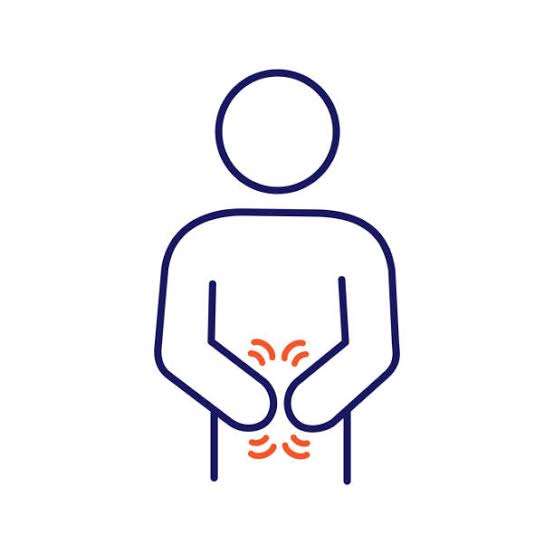
A colon cancer screening exam detects abnormalities in the colon that could indicate cancer development. Regular screenings are recommended especially after age 45/a family's history of colorectal issues.
LIPID PROFILE SCREENING

A lipid profile screening provides insight into an individual’s cholesterol levels which play a critical role in cardiovascular health. Regular screenings help detect imbalances early which can prevent heart disease.
ASTHMA MANAGEMENT
A chronic condition characterized by inflammation in the airways, asthma requires effective management to reduce symptoms and prevent attacks. Understanding triggers is crucial for control.
- Symptoms: Common indicators include wheezing, coughing, shortness of breath, and chest tightness during physical activities or exposure to allergens.
- Causes:The triggers can include allergens like pollen or dust mites, respiratory infections, or intense physical exertion.
- 'in' key illnesses could be involved.''continute proactves' pose long-term asthma managemenstyle= 'margin-top:0;'
PREVENTIVE HEALTH CHECKUPS
An annual preventive health checkup is vital for identifying potential health issues before they become more serious. This proactive approach to healthcare emphasizes wellness and disease prevention.
- Symptoms: No symptoms typically precede these checkups; they are proactive measures.
- Causes of concern: Changes in lifestyle or family history can necessitate additional monitoring during checkups.
- Diagnosis techniques: Comprehensive exams may include blood tests, screenings for cholesterol levels, and assessments of organ function.
- Treatment plans: Based on findings, personalized action plans are created to address any emerging health concerns promptly.
Your commitment to regular checkups fosters long-term health and wellness benefits by recognizing potential issues early on.
DIABETES SCREENING

Screening for diabetes is an essential health check that can prevent complications associated with this chronic condition. Early detection allows for better management and improved outcomes.
- Symptoms: Increased thirst, frequent urination, and blurred vision are common signs.
- Causes: Risk factors include obesity, sedentary lifestyle, family history, and age over 45.
- Diagnosis: Blood tests like fasting glucose or HbA1c measurements help diagnose diabetes early on.
- Treatment options: Management includes lifestyle changes like a balanced diet and physical activity; medications may also be prescribed when necessary.
- What to expect: Continuous monitoring of blood sugar levels helps in maintaining health and preventing complications.
Catching diabetes early can help you live a healthier life with fewer interruptions from the condition.
HYPERTENSION MANAGEMENT

Hypertension, or high blood pressure, is a common condition that can lead to serious health problems if left untreated. Maintaining healthy blood pressure is crucial for overall well-being.
- Symptoms: Many individuals may not experience noticeable symptoms, but some may have headaches or dizziness.
- Causes: Factors include genetics, poor diet, lack of exercise, and stress.
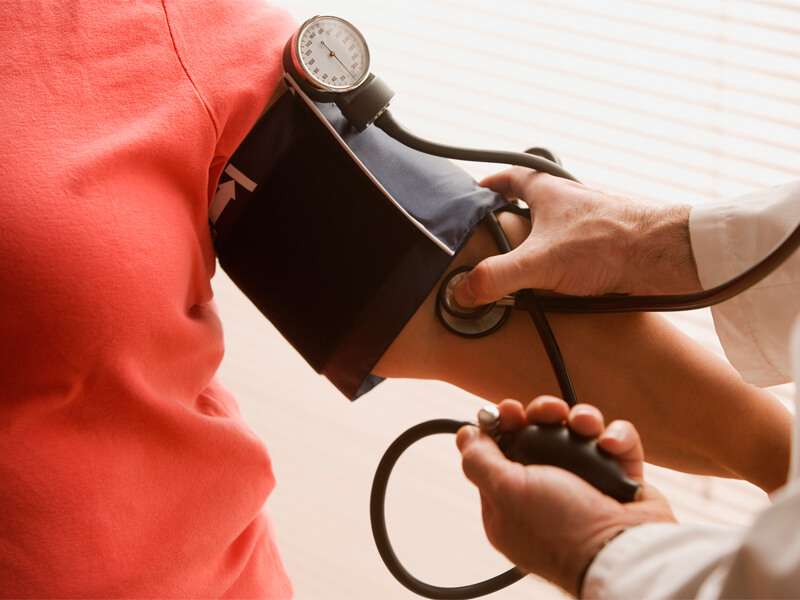
- Diagnosis: Blood pressure is measured with a sphygmomanometer; regular monitoring is recommended for at-risk populations.
- Treatment options: Lifestyle changes such as diet and exercise are vital. Medications may include diuretics or ACE inhibitors.
- What to expect: Regular follow-ups are essential to effectively manage the condition and adjust treatments as necessary.
A proactive approach toward hypertension can significantly improve quality of life.