
Dr Sunit Gupta
About Me
Dr Sunit Gupta
MS
Orthopaedic Surgeons
10 Years Experience
Biography
My Clinic
OPD Hours
| Monday | Morning | 10:00 AM | - | 02:00 PM |
| Evening | 06:00 PM | - | 09:00 PM | |
| Tuesday | Morning | 10:00 AM | - | 02:00 PM |
| Evening | 06:00 PM | - | 09:00 PM | |
| Wednesday | Morning | 10:00 AM | - | 02:00 PM |
| Evening | 06:00 PM | - | 09:00 PM | |
| Thursday | Morning | 10:00 AM | - | 02:00 PM |
| Evening | 06:00 PM | - | 09:00 PM | |
| Friday | Morning | 10:00 AM | - | 02:00 PM |
| Evening | 06:00 PM | - | 09:00 PM | |
| Saturday | Morning | 10:00 AM | - | 02:00 PM |
| Evening | 06:00 PM | - | 09:00 PM | |
| Sunday | Morning | 10:00 AM | - | 02:00 PM |
| Evening | 06:00 PM | - | 09:00 PM |
Treatments
Specialised care and treatments offered
SPINAL FUSION SURGERY
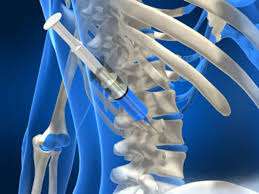
Spinal fusion surgery aims to merge two or more vertebrae into a single solid bone structure mitigating back pain caused by degenerative conditions. This procedure addresses issues such as herniated discs or spinal instability due to injury or disease processes interfering with daily activities adversely affecting life quality over durations if left untreated properly!
- Pain radiating from back down legs frequently signifies possible underlying spinal complications needing further investigation through CT scans/X-rays conducted pre-operatively prior scheduling interventions appropriately aligning expectations realistically!
Successful outcomes following fusing vertebral bodies ultimately reduce intense agony experienced considerably promoting healthier living practices throughout myriad social engagements encountered afterwards!
ANKLE FRACTURE TREATMENT

Ankle fractures can occur due to falls or sports injuries affecting individuals across all age groups. Proper evaluation is crucial as treatment plans vary largely based on fracture severity.
- Painful swelling around the ankle joint along with bruising are common symptoms following an injury that should be assessed promptly by a physician.
- X-rays are typically used as diagnostic tools confirming fracture type and extent which are critical in shaping treatment approaches either conservatively or surgically if misalignment exists.
- Treatment options include casting for stable fractures whereas surgery might be necessary for unstable variants requiring realignment with plates/screws for optimal healing purposes.
A follow-up care regimen focusing on rehabilitation exercises ensures complete recovery restoring full functional capability over time post-injury management efforts are initiated effectively within this field of orthopaedics!
CARPAL TUNNEL RELEASE

The carpal tunnel release is a surgical intervention designed to alleviate symptoms associated with carpal tunnel syndrome (CTS). CTS occurs when pressure on the median nerve causes pain and numbness in the hand and wrist area.
- Symptoms typically include tingling sensations, hand weakness, or discomfort that worsens at night.
- Diagnosis generally relies on physical examination alongside nerve conduction studies that assess nerve function quality.
- Treatment usually starts conservatively with splinting or anti-inflammatory medications; however, surgery may be necessary for persistent symptoms.
- The recovery process entails rest followed by gradual reintroduction of wrist movements under professional guidance to enhance healing outcomes.
This procedure often leads to significant relief from painful symptoms restoring normal hand function effectively for many patients affected by CTS.
HIP REPLACEMENT SURGERY

Hip replacement surgery is performed when hip joints become severely damaged due to arthritis or injury. This surgery replaces the worn-out surfaces with artificial implants that relieve pain and improve function.
- Sufferers might experience chronic hip pain, stiffness, and decreased mobility when engaging in routine activities.
- A comprehensive evaluation using X-rays will help confirm the need for surgery based on joint damage extent.
- Management may involve joint preservation techniques initially; however, total hip replacement is common when these methods fail.
- The recovery phase includes physical therapy focused on strengthening surrounding muscles while promoting mobility safely.
This highly successful procedure can allow patients to return to active lifestyles free from debilitating hip discomfort.
ROTATOR CUFF REPAIR

A rotator cuff repair is aimed at restoring function and alleviating pain in individuals with torn rotator cuffs. The rotator cuff comprises muscles and tendons that stabilize the shoulder joint and enable arm movement.
- Common symptoms include shoulder pain, weakness in lifting objects, and difficulty sleeping on the affected side.
- The diagnosis is made through a combination of physical exams, patient history, and imaging like ultrasounds or MRIs.
- Treatment may involve physical therapy for mild cases while severe tears often require surgical intervention to reattach the tendon to the bone.
- Post-operative care emphasizes rehabilitation exercises that gradually restore strength and mobility.
This repair procedure significantly improves quality of life for those experiencing chronic shoulder issues.
KNEE ARTHROSCOPY

Knee arthroscopy is a minimally invasive surgical procedure used to diagnose and treat various knee problems. This procedure allows surgeons to view the inside of the knee joint through small incisions, using a tiny camera known as an arthroscope.
- Symptoms may include persistent pain, swelling, or a reduced range of motion in the knee.
- The diagnosis typically involves a physical examination and imaging tests such as MRI.
- Treatment options include cleaning out damaged cartilage, repairing ligaments, or even removing loose fragments of bone or cartilage.
- Post-surgery, patients can expect swelling and pain management as key components of recovery.
- Follow-up appointments are essential to track healing progress and rehabilitation.
Knee arthroscopy often leads to quicker recovery times compared to open surgeries, allowing for a return to daily activities sooner.