
Dr Sunita Goyal
About Me
Dr Sunita Goyal
MD
Dermatologist
10 Years Experience
Biography
My Clinic
OPD Hours
| Monday | Morning | 10:00 AM | - | 02:00 PM |
| Evening | 06:00 PM | - | 09:00 PM | |
| Tuesday | Morning | 10:00 AM | - | 02:00 PM |
| Evening | 06:00 PM | - | 09:00 PM | |
| Wednesday | Morning | 10:00 AM | - | 02:00 PM |
| Evening | 06:00 PM | - | 09:00 PM | |
| Thursday | Morning | 10:00 AM | - | 02:00 PM |
| Evening | 06:00 PM | - | 09:00 PM | |
| Friday | Morning | 10:00 AM | - | 02:00 PM |
| Evening | 06:00 PM | - | 09:00 PM | |
| Saturday | Morning | 10:00 AM | - | 02:00 PM |
| Evening | 06:00 PM | - | 09:00 PM | |
| Sunday | Morning | 10:00 AM | - | 02:00 PM |
| Evening | 06:00 PM | - | 09:00 PM |
Treatments
Specialised care and treatments offered
SEBORRHEIC DERMATITIS
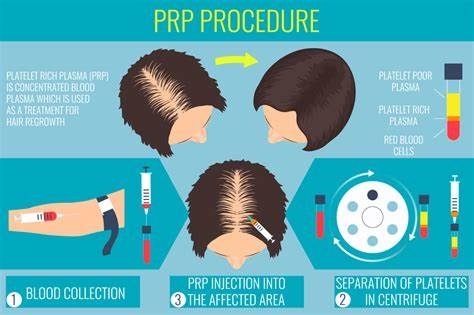
Seborrheic dermatitis is a common inflammatory condition primarily affecting oily regions of the body such as the scalp, face sides including eyebrows and nasolabial folds. It causes flaky scales accompanied by redness and itching sensations.
- It typically presents with yellowish greasy scales over erythematous plaques which may cause dandruff when localized only on scalp.
- The exact mechanism combines excess sebum production with Malassezia yeast colonization triggering local inflammation.
- Diagnosis depends largely upon clinical recognition based on typical lesion distribution but occasionally microscopic exam helps confirm diagnosis.
- First-line treatment involves antifungal shampoos containing ketoconazole or ciclopirox,topical corticosteroids for short-term inflammation control,and emollients.
- While not contagious nor dangerous,seborrheic dermatitis tends toward chronic relapsing course requiring ongoing maintenance therapy.
Adherence to prescribed treatment regimens results in symptom control though complete cure remains elusive in many individuals.
ALOPECIA AREATA
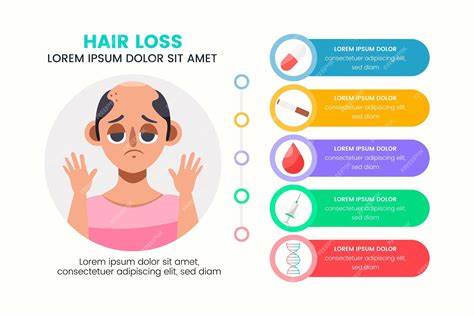
Alopecia areata is an autoimmune disorder characterized by sudden patchy hair loss affecting the scalp and sometimes other body areas. The exact triggers vary but involve immune attack on hair follicles disrupting growth cycles.
- The hallmark sign is one or more smooth round bald patches without scarring; some experience nail pitting or other autoimmune diseases concurrently.
- The cause involves immune system dysregulation causing inflammation around hair follicles leading to hair shedding prematurely.
- Dermatological diagnosis relies chiefly upon clinical presentation supported sometimes with dermoscopy; biopsy rarely required unless uncertain diagnosis exists.
While prognosis varies widely from spontaneous regrowth within months to chronic recurrence patterns,early intervention supports better outcomes
MELASMA
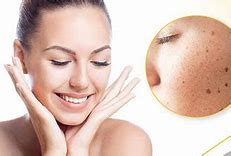
Melasma is a pigmentation disorder causing dark brown patches usually on the face which are more common in women. Sun exposure is a major aggravating factor along with hormonal influences.
- The appearance consists of symmetric hyperpigmented macules predominantly on the cheeks, forehead, upper lip, or chin area.
- This condition is linked to increased melanin production stimulated by ultraviolet radiation or hormonal changes such as pregnancy or oral contraceptive use.
- Dermatologists diagnose melasma visually but may use Wood’s lamp examination for pigment depth assessment.
- Treatment options emphasize strict sunscreen use daily alongside topical agents like hydroquinone or azelaic acid, chemical peels in some cases; laser procedures are selectively applied cautiously due to risk of worsening pigmentation.
- An understanding that treatment requires patience is important since improvement commonly takes several weeks to months with consistent care.
A well-managed approach helps reduce pigment intensity while preventing recurrence through sun protection measures primarily.
ECZEMA (ATOPIC DERMATITIS)
Eczema or atopic dermatitis is a persistent inflammatory skin disorder marked by dry, itchy patches that may become red or cracked. It commonly starts in childhood but can affect any age group.
- The condition manifests as intense itching followed by redness, swelling, sometimes oozing or crusting of the affected areas.
- Eczema develops due to a combination of genetic factors and environmental triggers, causing skin barrier dysfunction.
- Dermatologists diagnose eczema clinically, considering patient history alongside visible symptoms; allergy testing may be performed if needed.
- Treatments focus on moisturizers for hydration, topical corticosteroids to reduce inflammation, antihistamines to control itching, plus avoidance of irritants/triggers.
- Avoidance strategies like using mild soaps and humidifiers form part of effective manual long-term care plans.
Eczema typically involves cycles of flare-ups interspersed with remission; consistent treatment enhances comfort significantly over time.
ACNE VULGARIS
Acne vulgaris is a common skin disorder affecting hair follicles and sebaceous glands, leading to pimples, blackheads, and sometimes cysts. It predominantly appears during adolescence but can persist into adulthood.
- Symptoms range from whiteheads and blackheads to inflamed pustules mainly on the face, chest, and back.
- The condition arises due to excess oil production, clogged pores, bacterial proliferation, and inflammation.
- A dermatologist will diagnose acne by physical examination considering lesion type and distribution.
- Treatment includes topical retinoids, antibiotics, oral medications like isotretinoin for severe cases, alongside skincare advice to reduce irritation.
- Lifestyle factors such as diet modification and gentle cleansing can aid in long-term management.
A comprehensive treatment plan improves lesion healing time while minimizing scarring risk associated with untreated acne.
PSORIASIS
Psoriasis is a chronic autoimmune condition that primarily affects the skin, leading to the rapid buildup of skin cells. This buildup forms scales and red patches that can cause itching and discomfort.
- Symptoms include thickened, red areas of skin covered with silvery-white scales; these may appear anywhere but often on scalp, elbows, and knees.
- Causes involve immune system dysfunction triggering inflammation and accelerated skin cell turnover.
- Diagnosis is based on clinical examination and sometimes a skin biopsy to rule out other conditions.
- Treatment options consist of topical therapies (like corticosteroids), phototherapy (light therapy), and systemic medications for severe cases.
- Management also involves lifestyle modifications such as moisturizing regularly and avoiding known triggers like stress or infections.
The course of psoriasis is variable but manageable with tailored treatments. Early intervention helps reduce flare-ups and improve quality of life.