Dr Sunita Shisho

Dr Sunita Shisho

MD
ENDOCRINOLOGIST
4 263 ratings

About Me

Dr Sunita Shisho

MD
ENDOCRINOLOGIST
10 Years Experience

Biography

Dr. Sunita Shisho is a dedicated endocrinologist with over 10 years of experience in diagnosing and managing a wide range of hormonal and metabolic disorders. Her commitment to advancing patient health and well-being through compassionate care and evidence-based practice makes her a trusted provider in the field of endocrinology. Endocrinology focuses on the glands and hormones that regulate many essential processes in the body, such as growth, metabolism, reproduction, and mood stability. Dr. Shisho specializes in treating conditions including diabetes, thyroid disorders, osteoporosis, adrenal and pituitary gland problems, as well as hormonal imbalances affecting both women and men. She understands how these conditions can impact everyday life and strives to provide individualized treatment plans that promote long-term health and quality of life. Dr. Sunita believes that patient education is a vital part of effective care. She takes the time to listen carefully to her patients’ concerns and explains complex medical information in clear, easy-to-understand language. By fostering an open and supportive environment, she encourages patients to actively participate in their own health management. Whether you are newly diagnosed or managing a chronic endocrine condition, Dr. Shisho’s approach helps empower you to make informed decisions and adopt lifestyle habits that support your treatment goals. Throughout her career, Dr. Shisho has worked in diverse clinical settings, which has enriched her expertise and adaptability in handling complex cases. She keeps up to date with the latest research and advancements in endocrinology to ensure her patients benefit from the most modern and effective treatments available. Her evidence-based methods include medication management, hormone replacement therapies, nutritional counseling, and recommending appropriate lifestyle modifications. Patients appreciate Dr. Sunita for her warm demeanor, patience, and thoroughness. She recognizes that managing endocrine disorders often requires ongoing care and careful monitoring, and she is committed to forming a long-term partnership with you. Together, you can navigate the challenges related to hormonal health and work toward achieving optimal well-being. If you are looking for an endocrinologist who combines extensive clinical experience with a caring and personalized approach, Dr. Sunita Shisho is here to support your health journey every step of the way.

My Clinic

OPD Hours

Monday Morning 10:00 AM - 02:00 PM
Evening 06:00 PM - 09:00 PM
Tuesday Morning 10:00 AM - 02:00 PM
Evening 06:00 PM - 09:00 PM
Wednesday Morning 10:00 AM - 02:00 PM
Evening 06:00 PM - 09:00 PM
Thursday Morning 10:00 AM - 02:00 PM
Evening 06:00 PM - 09:00 PM
Friday Morning 10:00 AM - 02:00 PM
Evening 06:00 PM - 09:00 PM
Saturday Morning 10:00 AM - 02:00 PM
Evening 06:00 PM - 09:00 PM
Sunday Morning 10:00 AM - 02:00 PM
Evening 06:00 PM - 09:00 PM

Treatments

Specialised care and treatments offered

VACCINATION & CHECK-UP

Vaccination & Check-Up

Vaccinations and regular check-ups are essential parts of pediatric care, protecting children from serious illnesses and ensuring healthy development. Pediatricians follow immunization schedules to provide timely protection against diseases like measles, polio, and whooping cough. Routine check-ups allow for monitoring of growth, development, and early detection of potential health issues. These visits also give parents an opportunity to discuss nutrition, behavior, sleep, and safety. Through vaccinations and consistent medical evaluations, pediatricians help build a strong foundation for lifelong health and well-being. Preventive care not only keeps children safe but also supports their physical and emotional development.

INFECTIOUS DISEASES
Infectious Diseases

Expertise in managing acute respiratory infections, pneumonia,  bronchiolitis, typhoid fever, urinary infection, diarrhoea, fungal skin infections, sepsis/ blood infection, viral infections like chicken pox, measles, viral hepatitis, mumps, child with rash etc

GROWTH AND DEVELOPMENT

Growth and Development

Growth and development are key indicators of a child's overall health and well-being. For pediatricians, monitoring these aspects involves assessing physical milestones such as height, weight, and head circumference, as well as developmental progress in motor skills, language, cognition, and social interaction. Regular check-ups help identify any delays or concerns early, allowing for timely interventions. Growth charts, developmental screenings, and parental guidance are essential tools in this process. By supporting optimal growth and development, pediatricians play a vital role in ensuring children reach their full potential both physically and mentally. Early detection and holistic care are crucial for lifelong health.

GROWTH AND DEVELOPMENT

Growth and Development

Growth and development are key indicators of a child's overall health and well-being. For pediatricians, monitoring these aspects involves assessing physical milestones such as height, weight, and head circumference, as well as developmental progress in motor skills, language, cognition, and social interaction. Regular check-ups help identify any delays or concerns early, allowing for timely interventions. Growth charts, developmental screenings, and parental guidance are essential tools in this process. By supporting optimal growth and development, pediatricians play a vital role in ensuring children reach their full potential both physically and mentally. Early detection and holistic care are crucial for lifelong health.

STEM CELL TRANSPLANT
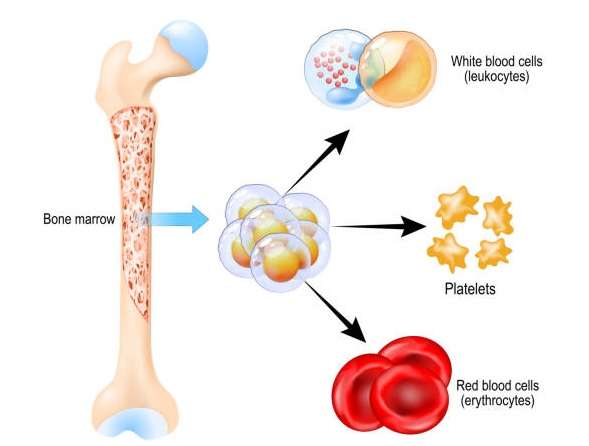
Stem Cell Transplant

A stem cell transplant, also known as a bone marrow transplant, is a procedure that infuses healthy stem cells into the body to replace damaged or diseased bone marrow. Stem cells are the basic cells of the body that have the potential to develop into many different cell types during early life and growth. In certain cases, they can also repair the body by dividing indefinitely to replenish cells.

Stem cell transplants are used to treat conditions where the bone marrow doesn't work and can't produce healthy blood cells. This could be due to disease (like certain types of leukemia or lymphoma), congenital conditions (like sickle cell anemia or thalassemia), or specific high-dose cancer treatments that destroy the bone marrow along with the cancer cells.

There are two main types of stem cell transplants:

1. Autologous Transplant: This involves using the patient's own stem cells. The cells are harvested, or removed, from the patient before they undergo a treatment (like chemotherapy or radiation) that destroys their bone marrow. After treatment, the patient's stem cells are returned to their body to help their bone marrow start to produce new blood cells.

2. Allogeneic Transplant: This involves using stem cells from a donor. The donor could be a family member, an unrelated donor, or umbilical cord blood. For the transplant to be successful, certain markers on the donated cells (called human leukocyte antigen (HLA) markers) must match the markers on the patient's cells as closely as possible to minimize the risk of complications.

One potential risk in allogeneic transplants is a condition called graft-versus-host disease (GVHD), which occurs when the donor cells attack the patient's own cells as they would a foreign substance.

Recovery from a stem cell transplant can take several months, and the patient will need to be closely monitored for complications. The success of the transplant depends on a range of factors, including the type of disease being treated, the type of transplant, the patient's overall health, and how closely the donor's HLA markers match those of the patient.

HORMONE THERAPY
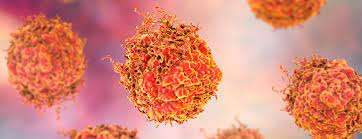
Hormone Therapy

Hormone therapy, also known as hormonal therapy, endocrine therapy, or hormone-blocking therapy, is a type of treatment that focuses on using drugs to adjust the levels of certain hormones in the body. It's often used as a treatment for cancers that are sensitive to hormones, such as breast cancer and prostate cancer.

Here's how hormone therapy works for these two types of cancer:

1. Breast Cancer: Some breast cancers are fueled by the hormones estrogen and/or progesterone. Hormone therapy for breast cancer works by preventing these hormones from attaching to the cancer cells or by reducing the body's production of these hormones. Examples of drugs used in this therapy include Tamoxifen, which blocks estrogen from binding to cancer cells, and Aromatase inhibitors, which lower the amount of estrogen the body makes.

2. Prostate Cancer: Testosterone, a hormone produced primarily in the testes, can promote the growth of prostate cancer cells. Hormone therapy for prostate cancer works by blocking the production or action of testosterone. This is often achieved through medications known as LHRH agonists or antagonists, or through a surgical procedure known as orchiectomy, which removes the testes.

While hormone therapy can be very effective in treating certain types of cancer, it can also have side effects. These can include menopausal symptoms (like hot flashes and vaginal dryness) for women, and erectile dysfunction, hot flashes, and loss of muscle mass for men. It's important to note that hormone therapy is different from hormone replacement therapy (HRT), which is used to replace hormones that are at low levels due to menopause. 

Apart from cancer treatment, hormone therapy can also be used for other conditions and purposes, such as gender-affirming hormone therapy for transgender individuals.

RADIATION THERAPY
Radiation Therapy

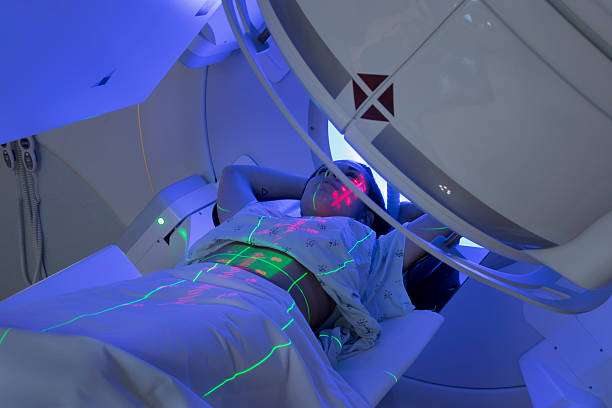
Radiation therapy, also known as radiotherapy, is a common method used to treat cancer. It uses high-energy particles or waves, such as X-rays, gamma rays, or proton beams, to destroy or damage cancer cells. It can be used alone or in conjunction with other treatments like surgery and chemotherapy.

Radiation therapy works by damaging the DNA within cancer cells, making them unable to divide and grow. While it aims to target cancer cells, it can also harm nearby healthy cells. However, normal cells can usually repair much of the radiation-induced damage, whereas cancer cells cannot.

There are two main types of radiation therapy:

1. External Beam Radiation Therapy (EBRT): This is the most common type and involves radiation being delivered from a machine positioned outside the body. The machine rotates around the patient, delivering radiation to the tumor site from several angles. The treatment is usually delivered over several sessions, with each session lasting just a few minutes.

2. Internal Radiation Therapy (Brachytherapy): This involves placing a small radioactive source directly into or near the tumor. The radioactive source can be left temporarily or permanently, depending on the type and stage of cancer being treated.

Radiation therapy can also be used in different contexts: - 

Curative Treatment: It can be used with the intent to cure the cancer, either as a standalone treatment or in conjunction with other therapies.

Adjuvant Treatment: After the primary treatment like surgery, radiation therapy can be used to kill any remaining cancer cells. 

Neoadjuvant Treatment: Radiation can be given before the primary treatment to shrink a tumor and make it easier to remove or treat.

Palliative Treatment: For advanced cancers, radiation therapy can be used to relieve symptoms caused by the cancer, such as pain or pressure. 

The use of radiation therapy has to be carefully planned to maximize its effects on cancer cells and minimize damage to healthy cells. This involves detailed imaging studies to identify the exact location of the tumor and sophisticated computer programs to plan the radiation doses.

Side effects of radiation therapy can include fatigue, mild skin reactions, upset stomach, and loose bowel movements. Most side effects go away a few weeks after treatment is completed. Long-term side effects, which are rare, can include fibrosis, damage to the bowels, or secondary cancers.

CHEMOTHERAPY

Chemotherapy

Chemotherapy is a type of cancer treatment that uses drugs to destroy or slow down the growth of cancer cells. It is one of the most commonly used treatments for cancer and can be used alone or in combination with other therapies like surgery or radiation therapy.

The primary goal of chemotherapy is to target rapidly dividing cancer cells and prevent them from multiplying further. However, chemotherapy drugs can also affect normal, healthy cells that divide quickly, such as cells in the bone marrow, digestive system, and hair follicles. This is why chemotherapy is associated with side effects like hair loss, nausea, vomiting, fatigue, and an increased risk of infections.

There are various forms of chemotherapy, including:

1. Systemic Chemotherapy: This type of chemotherapy is administered through the bloodstream, and it can reach cancer cells throughout the body. It is often used for cancers that have spread or metastasized to other parts of the body. 2. Regional Chemotherapy: In this approach, chemotherapy is delivered directly to a specific area of the body, such as the abdomen or the chest cavity. This can be done through intraperitoneal or intrathoracic routes, respectively.

3. Adjuvant Chemotherapy: Adjuvant chemotherapy is given after the primary treatment, such as surgery, to reduce the risk of cancer recurrence.

4. Neoadjuvant Chemotherapy: Neoadjuvant chemotherapy is administered before the main treatment, such as surgery or radiation therapy, to shrink a tumor or make it easier to remove.

5. Palliative Chemotherapy: Palliative chemotherapy aims to relieve symptoms and improve the quality of life in patients with advanced or metastatic cancer. It does not cure cancer but can help control its growth and manage related symptoms.

The specific chemotherapy drugs used depend on the type of cancer being treated, its stage, the overall health of the patient, and other individual factors. Chemotherapy is typically given in cycles, with periods of treatment followed by periods of rest to allow the body to recover from the effects of the drugs.

 While chemotherapy can be highly effective in treating certain types of cancer, it may not be the best treatment option for all cases. Oncologists carefully consider the potential benefits and risks of chemotherapy for each patient and may recommend other treatment approaches depending on the specific circumstances.

LEPTOSPIROSIS
Leptospirosis
**Meet Dr. Ronny Gupta, MBBS - Internal Medicine Specialist** Welcome to Dr. Ronny Gupta’s practice! With over a decade of experience in internal medicine, Dr. Gupta is dedicated to providing comprehensive care tailored to the unique needs of each patient. He combines his extensive medical knowledge with a genuinely compassionate approach, ensuring that his patients feel heard, understood, and supported throughout their healthcare journey. Dr. Gupta completed his Bachelor of Medicine, Bachelor of Surgery (MBBS) degree at a renowned medical school, where he gained a solid foundation in medical science and patient care. His passion for internal medicine stems from his desire to address a wide range of health issues, focusing on the prevention, diagnosis, and treatment of chronic and complex conditions. Over the past ten years, he has honed his skills in managing conditions such as diabetes, hypertension, heart disease, respiratory disorders, and more. In his practice, Dr. Gupta places a strong emphasis on building meaningful relationships with his patients. He believes that understanding each patient’s lifestyle, concerns, and health history is key to developing effective treatment plans. He takes the time to listen, answer questions, and discuss all available options, empowering patients to take an active role in their healthcare decisions. As a firm believer in the importance of preventive care, Dr. Gupta encourages regular health check-ups and screenings, which can help identify potential health issues before they become serious. By educating his patients on healthy lifestyle choices, nutrition, and exercise, he aims to foster a proactive approach to health management. Dr. Gupta is also committed to staying current with the latest advancements in medical research and treatment. He regularly participates in continuing education and professional development, ensuring that he is equipped with the most up-to-date knowledge and techniques to provide the best possible care. Patients appreciate his warm demeanor and personable approach, often expressing gratitude for the time he dedicates to each consultation. They often describe him as approachable and trustworthy, qualities that make them feel comfortable discussing even the most sensitive health concerns. Outside of his practice, Dr. Gupta enjoys spending time with his family, exploring the outdoors, and engaging in community health initiatives. His commitment to patient care extends beyond the office, as he actively participates in initiatives aimed at promoting health awareness and education in the local community. If you're looking for a dedicated internal medicine specialist who values your health and well-being, Dr. Ronny Gupta is here to help. Schedule an appointment today to experience personalized care that truly makes a difference in your health journey.

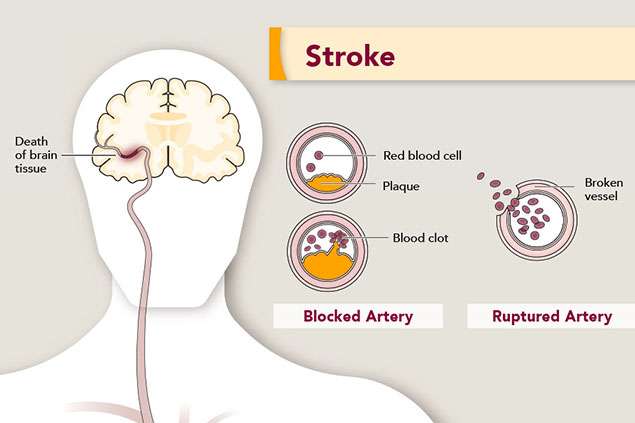
STROKE

Stroke
**Meet Dr. Ronny Gupta, MBBS – Your Trusted Internal Medicine Specialist** With a decade of dedicated experience in the field of Internal Medicine, Dr. Ronny Gupta is committed to providing comprehensive and compassionate care for his patients. As a board-certified physician, Dr. Gupta has built a reputation for his patient-centered approach, emphasizing both medical expertise and a warm, understanding demeanor. Dr. Gupta completed his Bachelor of Medicine, Bachelor of Surgery (MBBS) from a prestigious medical college, where he developed a solid foundation in medical science and patient care. Over the years, he has honed his skills and grown knowledgeable about a wide range of medical conditions, focusing on chronic diseases, preventive care, and overall wellness. His experience spans the management of complex illnesses, including diabetes, hypertension, cardiovascular diseases, respiratory disorders, and more. Dr. Gupta believes that effective healthcare goes beyond just treating symptoms. He is dedicated to understanding each patient’s unique medical history, lifestyle, and individual needs. He takes the time to listen to concerns, answer questions, and educate his patients about their health. Dr. Gupta aims to empower patients to take an active role in their healthcare journey by providing clear explanations and useful guidance on lifestyle modifications and preventive strategies. In his practice, Dr. Gupta employs evidence-based treatments alongside the latest medical advancements to ensure the best possible outcomes for his patients. He collaborates closely with specialists when necessary, coordinating care to ensure a comprehensive approach to health management. His holistic view of medicine incorporates not only physical health but also mental and emotional well-being, recognizing the intrinsic link between mind and body. Dr. Gupta’s warm, trustworthy demeanor puts patients at ease, making it easier for them to discuss their health concerns openly. He understands that visiting a physician can be daunting, and strives to create a welcoming environment where every patient feels valued and respected. When he is not in the clinic, Dr. Gupta enjoys engaging with the community through health seminars and workshops, spreading awareness about preventive healthcare. He also enjoys reading, hiking, and spending time with his family, which helps him maintain a balanced lifestyle. If you’re looking for an internal medicine specialist who prioritizes your health and well-being, Dr. Ronny Gupta is here to help. With his wealth of experience and compassionate care, he is committed to guiding you towards a healthier, happier life.

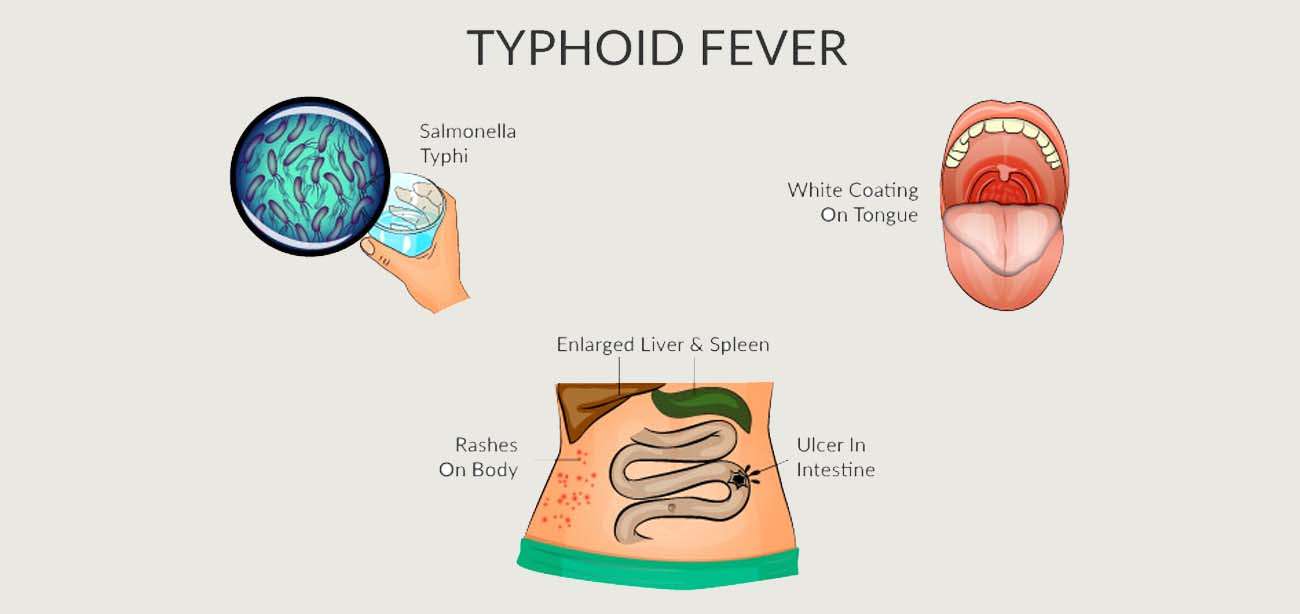
TYPHOID

Typhoid
**Meet Dr. Ronny Gupta, MBBS - Your Trusted Partner in Health** Dr. Ronny Gupta is a dedicated and compassionate physician specializing in Internal Medicine, bringing over a decade of experience to his practice. With a medical degree (MBBS) and extensive training in patient care, Dr. Gupta has a profound understanding of a wide range of medical conditions, enabling him to address health concerns with precision and empathy. Throughout his ten years in the medical field, Dr. Gupta has developed a reputation for his thorough, patient-centered approach. He believes that effective healthcare is built on open communication and mutual respect. Dr. Gupta prioritizes building lasting relationships with his patients, ensuring they feel comfortable discussing their health issues and concerns. His warm demeanor and attentive listening skills create a welcoming environment where patients can express their worries and preferences. Dr. Gupta's expertise covers a broad spectrum of internal medicine, including chronic disease management, preventative care, and acute illness treatment. He is well-versed in managing complex conditions such as diabetes, hypertension, and heart disease, and he is committed to providing personalized treatment plans tailored to each patient’s unique needs. Dr. Gupta emphasizes the importance of preventative care, encouraging patients to engage in healthy lifestyle choices to mitigate potential health risks. In addition to his clinical work, Dr. Gupta is passionate about educating his patients. He takes the time to explain diagnoses, treatment options, and the underlying principles of various health conditions in an accessible manner. He believes that informed patients are empowered patients, and he enjoys collaborating with them to achieve optimal health outcomes. Dr. Gupta continuously seeks to stay updated with the latest advancements in medical science, ensuring that the treatments he offers are evidence-based and current. Dr. Gupta also understands that healthcare can be overwhelming, and he strives to ease this burden for his patients. He is dedicated to creating a supportive environment, where patients feel knowledgeable and confident in managing their conditions. Whether it’s through regular check-ups, consultations, or follow-up care, Dr. Gupta supports his patients every step of the way. When you choose Dr. Ronny Gupta as your internal medicine physician, you are selecting a partner who genuinely cares about your health and well-being. He looks forward to partnering with you on your journey towards better health, and he is always available to answer your questions and address your concerns. Your health is his mission, and he is dedicated to helping you thrive.

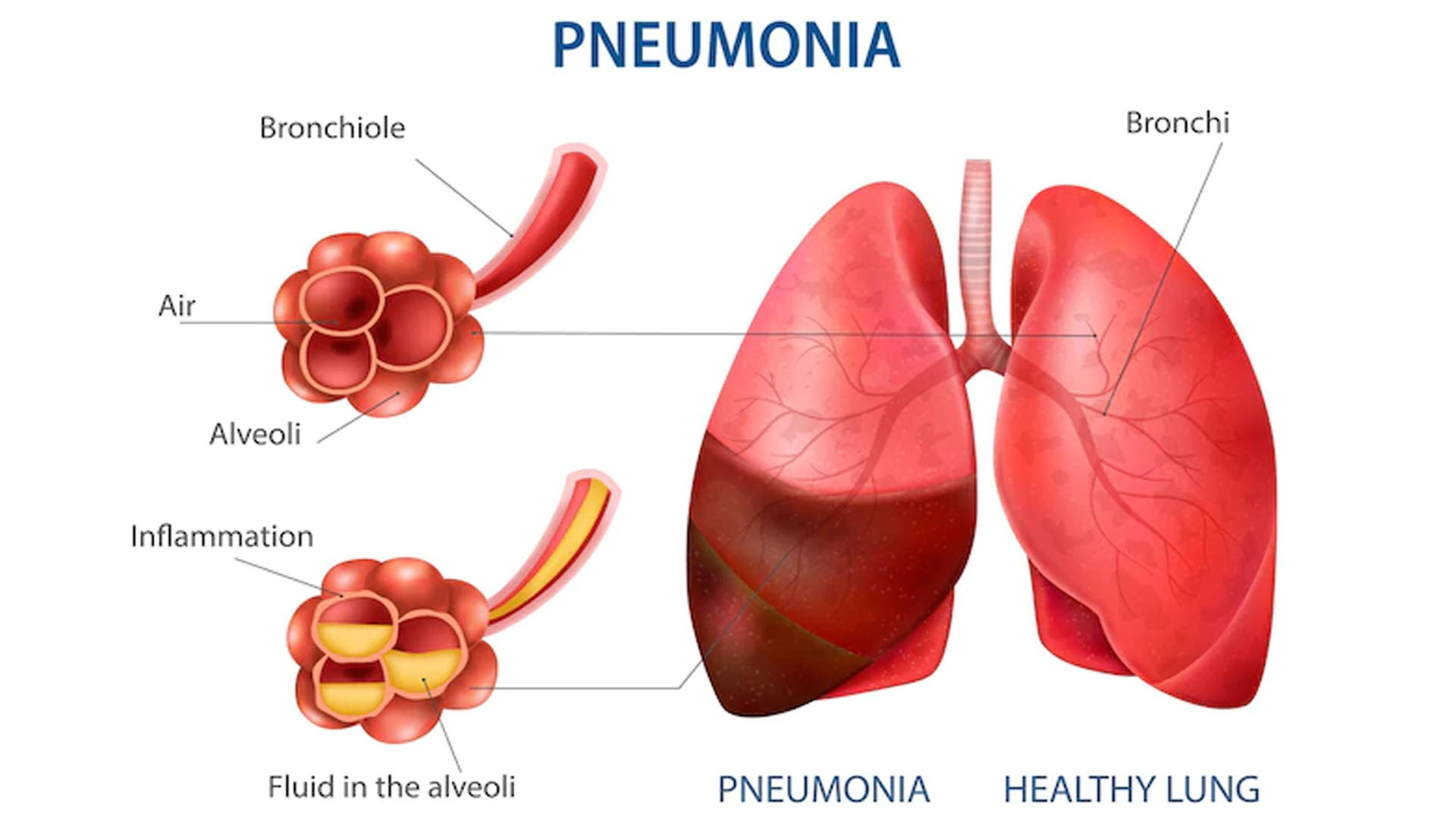
PNEUMONIA

Pneumonia
**Meet Dr. Ronny Gupta, MBBS – Trusted Internal Medicine Specialist** Dr. Ronny Gupta is a dedicated and compassionate Internal Medicine specialist with over 10 years of experience providing high-quality healthcare to adults. He is committed to diagnosing and managing a broad range of medical conditions, from chronic illnesses to preventive care, ensuring that his patients achieve their best health outcomes. Dr. Gupta completed his Bachelor of Medicine, Bachelor of Surgery (MBBS) degree from a prestigious medical institution, where he developed a strong foundation in the principles of internal medicine. His extensive training encompasses a variety of areas, including cardiovascular health, diabetes management, respiratory disorders, and infectious diseases. Throughout his career, he has remained dedicated to continuing education, regularly updating his knowledge with the latest advancements in medical science and clinical practices. One of Dr. Gupta’s greatest strengths is his ability to build trusting relationships with his patients. He believes in taking the time to listen carefully to each individual’s health concerns and understanding their unique needs. His warm demeanor, combined with a patient-centered approach, allows him to create a comfortable environment where patients feel valued and understood. Dr. Gupta understands that medical visits can be stressful, and he strives to ensure every patient feels at ease while discussing their health. In his practice, Dr. Gupta emphasizes the importance of preventive care and education. He takes an active role in guiding his patients on how to maintain healthy lifestyles, including dietary choices, exercise, and managing stress. By fostering open communication and collaboration, he empowers his patients to take charge of their health and make informed decisions. Dr. Gupta is particularly passionate about managing chronic conditions, as well as coordinating care among specialists when necessary. He firmly believes that comprehensive, holistic care is essential in addressing not only physical health but also the emotional and psychological aspects of well-being. When he is not in the office, Dr. Gupta enjoys spending time with his family, engaging in outdoor activities, and volunteering in his community. He believes in the importance of giving back and fostering the overall wellness of the community he serves. If you are searching for a knowledgeable, compassionate physician who will prioritize your health and well-being, Dr. Ronny Gupta is here to help. Whether you need routine check-ups, chronic disease management, or preventive care, he is committed to ensuring you receive the utmost care in every aspect of your health journey.

FEVER

Fever
**Meet Dr. Ronny Gupta, MBBS – Your Trusted Internal Medicine Specialist** With a decade of experience in the field of Internal Medicine, Dr. Ronny Gupta is dedicated to providing compassionate and comprehensive healthcare to his patients. He believes in treating the whole person, not just the symptoms, and employs a holistic approach that prioritizes the well-being of each individual he encounters. Dr. Gupta pursued his medical degree at a prestigious institution, where he developed a strong foundation in understanding various diseases and their complex interactions within the human body. Over the years, he has honed his skills in diagnosing and managing a wide range of medical conditions, from chronic illnesses like diabetes and hypertension to acute health issues that require immediate attention. As an Internal Medicine specialist, Dr. Gupta is passionate about preventive care and patient education. He takes the time to listen to his patients, understanding their concerns and health goals. This communication fosters strong, trusting relationships that empower patients to make informed decisions about their health. He firmly believes that an educated patient is an active participant in their care, leading to better health outcomes and improved quality of life. Dr. Gupta’s patient-centered approach means that he tailors his treatment plans to fit each individual’s unique circumstances. Whether it’s creating a comprehensive management plan for a chronic condition or addressing sudden health problems, he ensures that each patient receives personalized attention and care. He also stays informed about the latest advancements in medicine, allowing him to offer the most effective treatments available. In addition to his clinical work, Dr. Gupta is actively involved in community health initiatives aimed at promoting awareness about health maintenance and disease prevention. He regularly participates in workshops and seminars, sharing his expertise with the public and encouraging proactive health management. Outside of his professional life, Dr. Gupta enjoys spending time with his family, engaging in outdoor activities, and reading. He understands that a healthy lifestyle extends beyond the clinic, and he wholeheartedly advocates for the balance of physical health and mental well-being. When you choose Dr. Ronny Gupta as your Internal Medicine specialist, you can expect a warm and welcoming atmosphere where your health concerns are taken seriously. His commitment to excellence in patient care ensures that you will receive not only the best possible medical attention but also support that nurtures your overall health journey. Your health is in capable hands with Dr. Gupta, where every patient is treated like family.

GROWTH AND NUTRITION

Growth And Nutrition
Good nutrition is required for the proper growth and development of children. To obtain good nutrition it is highly essential to eat a healthy balanced diet. A balanced diet is one that has all the nutrients like carbohydrates, proteins, and fats in the right proportion. Children's need for nutrition and energy is greatly higher than other age groups. It is estimated that undernourished children have less energy and so it has a negative impact on their academic performance. The nutrients needed for growth and development are protein, calcium, vitamins, omega-3 fats, iodine, and Zinc. Good hair growth symbolizes good nutrition. The nutrients required for good hair growth are vitamin C, biotin, iron, and zinc. Foods that help you to maintain your height are lean meat, chicken, beans, almonds, eggs, and leafy green vegetables. Good nutrition during childhood helps the children develop immunity against infections, ensures the good development of the brain and other organs, and improves the child's cognitive functioning. Poor nutrition can lead to nutritional deficiencies which in turn leads to deficiency disorders and has a great impact on their growth and development.

INFANT CARE

Infant Care
The infant is a term that indicates the age group of 0 to 1 year. It is the time period during which there is Rapid growth in both mental and physical spheres. There are some basic essential needs that are common to all infants including warmth and affection, good nourishment, and prevention of infection. Newborn cord care is a very important thing to take care of. Always the stump should be kept dry and it is advisable to stick with a sponge bath rather than a wet bath. The newborn cord usually takes around two weeks to heal. A newborn is so delicate that the skin has to be given extra care. The baby's skin has to be kept hydrated by bathing them in warm water for three to five minutes. Application of good baby lotion or moisturizer after bath is very essential. Remember to always pt the skin dry rather than rubbing. Newborn care is essential to avoid infections and minimize the risk of illness since the immune system of the newborn is weak. Proper knowledge is essential before starting with newborn care and you can acquire this knowledge from our experienced physicians. We provide prenatally and post-natal counseling so that your journey is comfortable and stress-free.

INFECTIOUS DISEASES

Infectious Diseases
Infections are more common in children than in other age groups due to the weaker and developing immune systems in children. They are in close contact with other children in the classrooms, transport, and Day Care Centres. It is due to this reason that infections are more likely to occur in children than adults. The most common infectious diseases during childhood are common cold, ear infections, conjunctivitis, gastroenteritis, and diseases of the hand, foot, and mouth. Infections are caused by a wide range of microorganisms which may be bacteria, viruses, or fungi. Skin infections are more common in children since they are exposed to a lot of microorganisms in the ground and transmission from other children through touch. Since it is the period during which they learn toilet training habits, it is easier for them to acquire urinary tract(UTI) infections. The main cause of UTI infection in children is E Coli bacteria. The treatment includes the administration of antibiotics either orally or through IV. Depending upon the type of infection, antiviral and antifungal medications are also given. It is important to diagnose the infection at the earliest and provide appropriate treatment to avoid complications. Do remember that infections can be varied and timely diagnosis and care are of utmost importance.

VACCINATION AND CHECKUP

Vaccination And Checkup
Vaccination is the simple and safest way to protect ourselves from infections. Vaccination is the process of administering a vaccine that helps the immune system to acquire immunity against a specific disease or infection. Vaccines contain microorganisms either in the live or killed state, which when administered develop immunity. When a large number of people get vaccinated, it results in herd immunity. Vaccination is found to be greatly responsible for the eradication of smallpox, and for the elimination of tetanus and polio from most parts of the world. It is important to vaccinate your child in order to give them a healthy future. For the pediatric age group, there is a list of vaccines to be administered according to the schedule including BCG, MMR, and so on. It is essential that you do not skip your children’s vaccination as a primary prevention measure. Vaccinations keep us healthy from infectious microorganisms and thereby boost our immunity and hence greatly prevent them from future disabilities and infections.

FAQs

What if my query is not listed here?
If you have any more queries that aren't listed, you can email us or call us.
Why is it best to consult a specialist?
A specialist doctor is trained to treat complex health conditions in their particular field. If you are diagnosed with a condition, it is best to consult a doctor who specializes in dealing with that particular condition.
Why should I consult Dr Sunita Shisho?
Dr Sunita Shisho is a specialist in ENDOCRINOLOGIST and having more than 10 years of experience.
What if my query is not listed here?
If you have any more queries that aren't listed, you can email us.
Why is it best to consult a specialist?
A specialist doctor is trained to treat complex health conditions in their particular field. If you are diagnosed with a condition, it is best to consult a doctor who specializes in dealing with that particular condition.
How can I book an appointment?
You can click on the book appointment link.