
Dr Suparna Nirgudkar
About Me
Dr Suparna Nirgudkar
Internal Medicine
Biography
My Clinic
OPD Hours
| Tuesday | Morning | 10:00 AM | - | 02:00 PM |
| Evening | 06:00 PM | - | 09:00 PM | |
| Wednesday | Morning | 10:00 AM | - | 02:00 PM |
| Evening | 06:00 PM | - | 09:00 PM | |
| Thursday | Morning | 10:00 AM | - | 02:00 PM |
| Evening | 06:00 PM | - | 09:00 PM | |
| Friday | Morning | 10:00 AM | - | 02:00 PM |
| Evening | 06:00 PM | - | 09:00 PM | |
| Saturday | Morning | 10:00 AM | - | 02:00 PM |
| Evening | 06:00 PM | - | 09:00 PM | |
| Sunday | Morning | 10:00 AM | - | 02:00 PM |
| Evening | 06:00 PM | - | 09:00 PM | |
| Thursday | Morning | 10:00 AM | - | 02:00 PM |
| Evening | 06:00 PM | - | 09:00 PM |
Treatments
Specialised care and treatments offered
HEART FAILURE MANAGEMENT
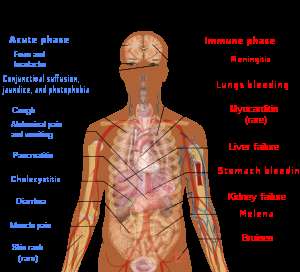
This condition signifies the heart's inability to pump efficient quantities of blood throughout the body potentially leading organ dysfunction over time without proper intervention required engage manage early stages diagnosing severity appropriately observed!
- Symptoms/Causes: Common indicators comprise shortness breath alongside fluid retention causing leg swelling cachexia manifesting crucial necessity early recognition organizing timely treatments protecting overall cardiovascular structure assessing risks derived prior coronary events!
- Diagnosis: Utilizes echocardiograms measuring left ventricular ejection fractions alongside assessments clarifying functional limitations occurring affecting systemic perfusion ultimately influencing treatment pathways originating proximate evaluation phases!
- Treatment/Management: Customized plans integrate lifestyle shifts centering weight control coupled medication regimens optimizing fluid/electrolyte regulation mitigating inappropriate elevations subsequently sustaining patient engagement towards healthy routines reinforces preventive measures provides empowerment resolution found within journey improvement targeting quality living standards achieved progressively compound dedicated efforts emerge lengthening survival experiences thereafter reducing risks evolving possible hospitalizations altogether movement - return active lifestyles embrace!
Proactive engagement enables transformations positively influences daily functioning proving essential within broader context encompassing patient's health overall longevity throughout endeavors undertaken!
ANEMIA MANAGEMENT
Anemia occurs when there are insufficient red blood cells in circulation or when hemoglobin levels drop below normal ranges—leading individuals often feeling fatigued due lack sufficient oxygen transport throughout their bodies!
- Symptoms/Causes: Common signs entail fatigue/malaise accompanied pale skin; possible causes range from iron deficiencies; chronic diseases including renal failure; nutritional deficits involving Vitamin B12/Folate deficiencies requiring prompt identification by healthcare professionals!
- Diagnosis: Essentially entails complete blood count evaluations determining hemoglobin concentrations alongside further assessments evaluating underlying contributors leading toward anemia manifestation!
- Treatment/Management: Individualized interventions regularly incorporate iron supplementation adjusting dietary inputs aimed at nourishing adequate hemoglobin synthesis ensuring optimal bodily support across environments encountered through daily life activities!
- What To Expect: Regularly scheduled follow-ups determine persistence/reduction impacting symptoms experienced providing assurance while refining approaches promote recovery!
With vigilant attention afforded anemia conditions progression improves enhancing general well-being ensuring patients feel more energized along their journeys ahead!
GASTROESOPHAGEAL REFLUX DISEASE (GERD)
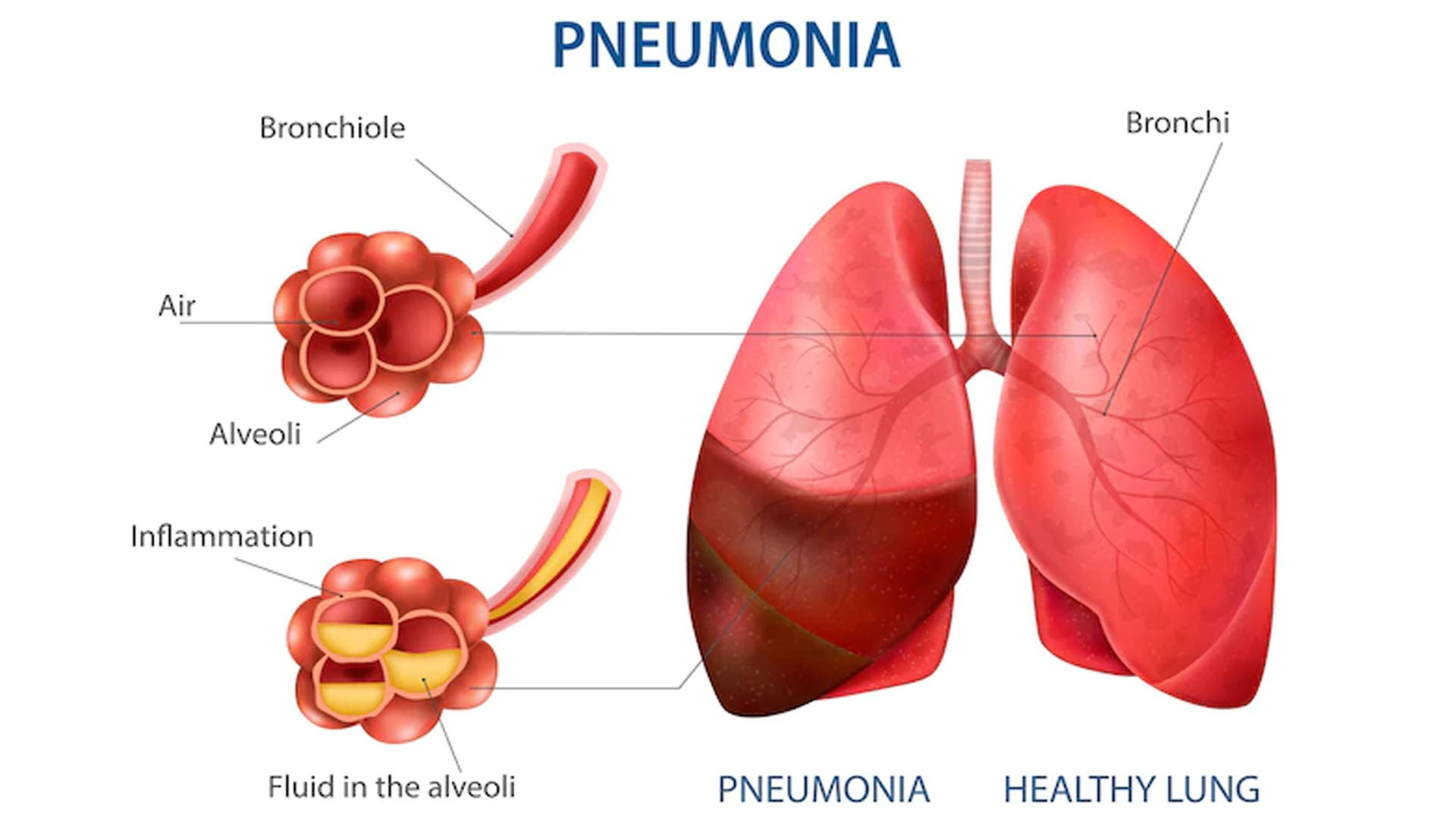
This condition involves chronic acid reflux leading to irritation of the esophagus. It can significantly affect quality of life if not properly managed through effective treatment options available today.
- Symptoms/Causes: Commonly presents with heartburn, regurgitation of acid into the mouth, difficulty swallowing (dysphagia), or chronic cough. Causes might include obesity, pregnancy, smoking habits or consuming large meals before lying down.
- Diagnosis: GERD diagnosis may involve endoscopy procedures along with pH monitoring tests to measure acid levels in the esophagus over time.
- Treatment/Management: Treatment programs usually combine dietary changes with medications like proton pump inhibitors (PPIs) aimed at reducing stomach acid production. In severe cases where medication fails, surgical interventions might be considered.
- What to Expect: Continuous management often leads to symptom resolution; however ongoing vigilance regarding dietary habits remains important post-treatment initiation phase for lasting relief from GERD symptoms.
CHRONIC OBSTRUCTIVE PULMONARY DISEASE (COPD)
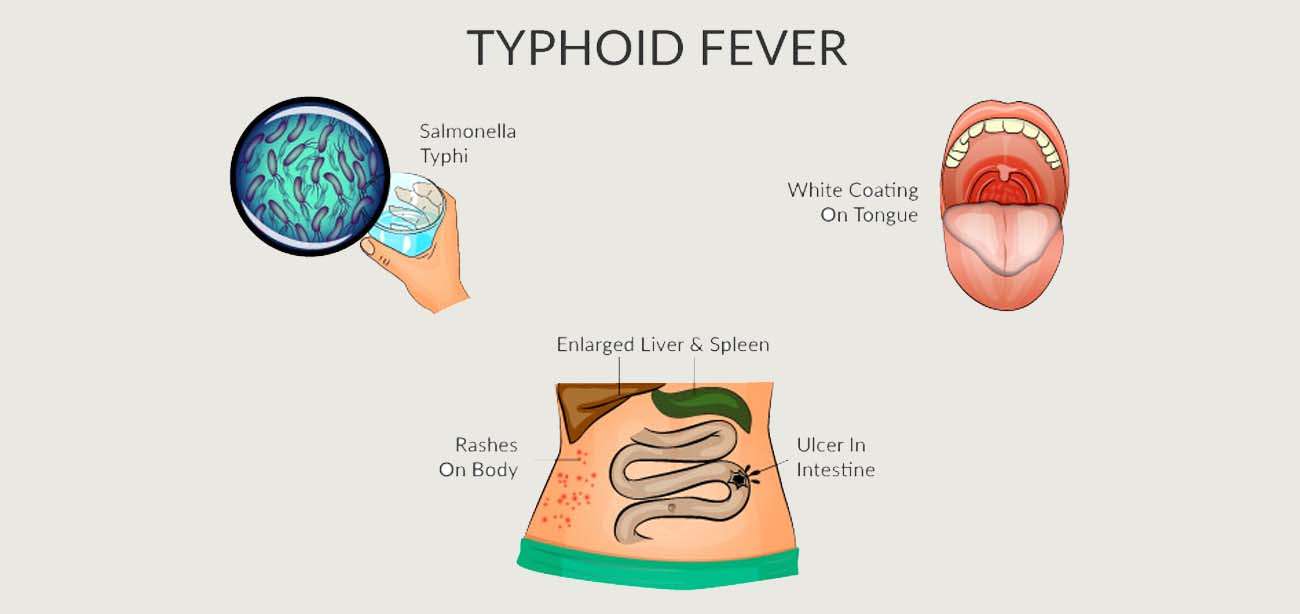
COPD is a progressive lung disease characterized by increasing breathlessness. It primarily results from long-term exposure to irritants that damage the lungs and airways.
- Symptoms/Causes: Symptoms often include chronic cough, sputum production, and shortness of breath during physical activities. The primary cause is long-term smoking; other factors may involve pollutants or genetic considerations.
- Diagnosis: Diagnosis typically involves spirometry tests that measure lung function alongside imaging tests like chest X-rays.
- Treatment/Management: Treatments may consist of inhalers (bronchodilators), corticosteroids for inflammation control, and pulmonary rehabilitation programs focusing on exercise training and education.
- What to Expect: Regular follow-ups help monitor lung function improvements while managing symptoms effectively for better quality of life.
A comprehensive approach towards managing COPD can greatly enhance daily activities while minimizing symptom exacerbation risk.
DIABETES MELLITUS
Diabetes Mellitus is a chronic condition affecting how your body processes blood sugar (glucose). Proper management is vital to avoid complications that could arise from uncontrolled diabetes.
- Symptoms/Causes: Common symptoms include excessive thirst, frequent urination, fatigue, and blurred vision. Causes can vary from genetic predisposition to lifestyle factors such as poor diet.
- Diagnosis: A healthcare provider typically diagnoses diabetes through a fasting blood glucose test or an HbA1c level test.
- Treatment/Management: Management includes dietary adjustments, regular exercise, and possibly insulin therapy or oral medications to control blood sugar levels effectively.
- What to Expect: Ongoing care involves monitoring blood sugar levels regularly and adjusting your treatment plan as needed based on your response to initial therapies.
A thoughtful management strategy for diabetes can help maintain a normal lifestyle while minimizing risks associated with the disease.
HYPERTENSION MANAGEMENT
Hypertension, commonly known as high blood pressure, is a significant health concern that can lead to serious complications. It often goes unnoticed since symptoms can be minimal or absent, making regular monitoring essential.
- Symptoms/Causes: Many individuals experience no noticeable symptoms, but some may report headaches, dizziness, or nosebleeds. Factors contributing to hypertension include genetics, obesity, poor diet, and lack of physical activity.
- Diagnosis: Blood pressure is measured using a sphygmomanometer. A series of readings taken over several visits may be required for an accurate diagnosis.
- Treatment/Management: Management strategies include lifestyle modifications such as diet changes and increased exercise. In some cases, medications like diuretics or ACE inhibitors are prescribed to lower blood pressure.
- What to Expect: Regular follow-up appointments are crucial to monitor progress and adjust treatment as necessary. Patients should be proactive in maintaining their health through lifestyle choices.
Effective management of hypertension can significantly reduce the risk of heart disease and improve overall health outcomes.