
Dr Suraj Sharma
About Me
Dr Suraj Sharma
MBBS
General Physician
10 Years Experience
Biography
My Clinic
OPD Hours
| Monday | Morning | 10:00 AM | - | 02:00 PM |
| Evening | 06:00 PM | - | 09:00 PM | |
| Tuesday | Morning | 10:00 AM | - | 02:00 PM |
| Evening | 06:00 PM | - | 09:00 PM | |
| Wednesday | Morning | 10:00 AM | - | 02:00 PM |
| Evening | 06:00 PM | - | 09:00 PM | |
| Thursday | Morning | 10:00 AM | - | 02:00 PM |
| Evening | 06:00 PM | - | 09:00 PM | |
| Friday | Morning | 10:00 AM | - | 02:00 PM |
| Evening | 06:00 PM | - | 09:00 PM | |
| Saturday | Morning | 10:00 AM | - | 02:00 PM |
| Evening | 06:00 PM | - | 09:00 PM | |
| Sunday | Morning | 10:00 AM | - | 02:00 PM |
| Evening | 06:00 PM | - | 09:00 PM |
Treatments
Specialised care and treatments offered
ACUTE RESPIRATORY INFECTIONS CARE
A variety of infections affect the respiratory tract including colds and flu. Understanding their nature helps in providing proper care to both relieve symptoms and prevent complications.
- Symptoms: Common signs include cough, sore throat, runny nose, fever, and fatigue depending on the specific infection involved.
- Causes: Viral infections are prevalent; bacterial infections may occur secondary to viral illnesses or due to environmental factors like pollution.'...
CHOLESTEROL MANAGEMENT
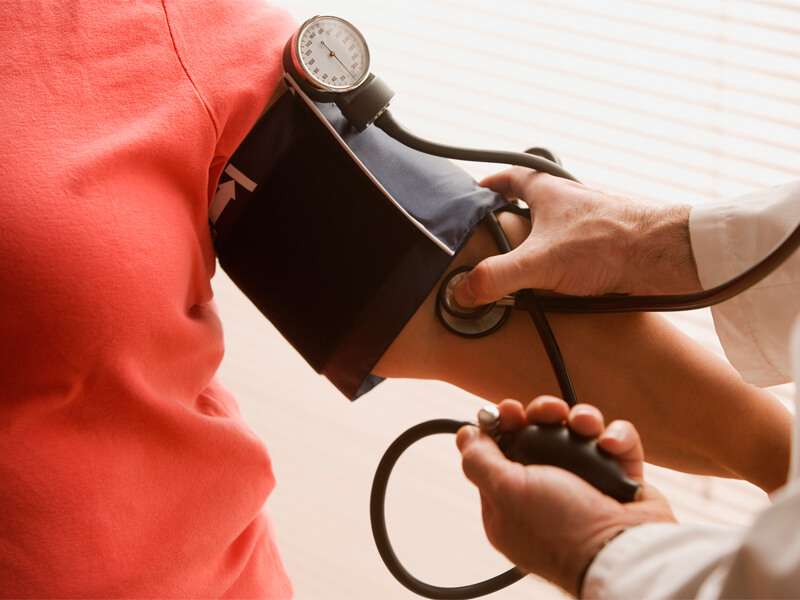
Elevated cholesterol levels can increase the risk of cardiovascular diseases. It's important to understand how cholesterol affects overall health and what strategies can help manage it effectively.
- Symptoms: High cholesterol typically presents no symptoms but can lead to serious conditions such as heart attack or stroke if not addressed.
- Causes: Factors contributing to high cholesterol include poor diet, lack of exercise, genetic predisposition, and aging.
- Diagnosis: A lipid panel blood test measures total cholesterol as well as HDL (good) and LDL (bad) cholesterol levels.
- Treatment/Management: Lifestyle changes such as adopting a heart-healthy diet paired with physical activity are first-line approaches. Statins may be prescribed if these measures are insufficient.
- What to Expect: Regular follow-up visits are necessary for monitoring progress and adjusting treatment plans based on individual response.
A proactive stance in managing cholesterol can significantly reduce cardiovascular risk factors over time.
DIABETES SCREENING AND MANAGEMENT

The rising prevalence of diabetes necessitates routine screening for early detection and management. Diabetes affects how your body processes sugar, leading to various potential complications if not managed effectively.
- Symptoms: Common signs include frequent urination, excessive thirst, fatigue, and blurred vision.
- Causes: Type 1 diabetes is largely genetic while Type 2 diabetes can be influenced by lifestyle factors such as obesity and inactivity.
- Diagnosis: Blood tests measure glucose levels; an HbA1c test helps assess long-term blood sugar control.
- Treatment/Management: Treatment includes lifestyle interventions like diet and exercise along with medications or insulin therapy as needed based on the type of diabetes.
- What to Expect: Ongoing monitoring of blood sugar levels is crucial in managing diabetes effectively and reducing the risk of complications over time.
A comprehensive approach combining medical treatment and lifestyle changes can significantly improve quality of life for diabetics.
HYPERTENSION MANAGEMENT
Hypertension, or high blood pressure, is a common condition that can lead to serious health issues if left untreated. It often has no noticeable symptoms, making regular check-ups essential for early detection.
- Symptoms: Most individuals do not experience symptoms; however, severe cases may lead to headaches, shortness of breath, or nosebleeds.
- Causes: Factors include genetics, obesity, sedentary lifestyle, high salt intake, and excessive alcohol consumption.
- Diagnosis: Blood pressure readings taken over several visits help determine if hypertension is present.
- Treatment/Management: Lifestyle changes such as diet modification and increased physical activity are initial steps. Medications may also be prescribed based on severity.
- What to Expect: Regular monitoring is important; once treatment begins, adjustments may be necessary to achieve optimal blood pressure control.
A proactive approach towards managing hypertension is vital to prevent complications like heart disease or stroke.