
Dr Surendra Abus
About Me
Dr Surendra Abus
MBBS
General Physician
10 Years Experience
Biography
My Clinic
OPD Hours
| Monday | Morning | 10:00 AM | - | 02:00 PM |
| Evening | 06:00 PM | - | 09:00 PM | |
| Tuesday | Morning | 10:00 AM | - | 02:00 PM |
| Evening | 06:00 PM | - | 09:00 PM | |
| Wednesday | Morning | 10:00 AM | - | 02:00 PM |
| Evening | 06:00 PM | - | 09:00 PM | |
| Thursday | Morning | 10:00 AM | - | 02:00 PM |
| Evening | 06:00 PM | - | 09:00 PM | |
| Friday | Morning | 10:00 AM | - | 02:00 PM |
| Evening | 06:00 PM | - | 09:00 PM | |
| Saturday | Morning | 10:00 AM | - | 02:00 PM |
| Evening | 06:00 PM | - | 09:00 PM | |
| Sunday | Morning | 10:00 AM | - | 02:00 PM |
| Evening | 06:00 PM | - | 09:00 PM |
Treatments
Specialised care and treatments offered
GASTROINTESTINAL DISORDERS EVALUATION
The gastrointestinal (GI) tract processes food while impacting overall wellness significantly; evaluating GI disorders requires understanding symptoms thoroughly alongside diagnostic procedures for optimal outcomes.
INFECTION DIAGNOSIS

The diagnosis of infections requires careful evaluation of symptoms as they can vary widely depending on the causative agent. Timely identification helps initiate appropriate treatment responses swiftly to prevent complications.
- Symptoms: Signs often include fever, chills, fatigue, localized pain or swelling depending on the infection type—respiratory infections exhibit different symptoms than urinary tract infections (UTIs).
- Diagnosis methods: Clinical evaluations along with specific laboratory tests such as cultures or rapid antigen tests pinpoint infectious agents accurately
LIPID PROFILE EVALUATION

A lipid profile evaluation is essential for assessing cardiovascular risk. It analyzes various lipid levels in your bloodstream which can influence heart health significantly. Identifying abnormalities can guide preventive measures and treatments effectively.
- Your information: Elevated cholesterol or triglycerides may lead to heart disease if untreated; understanding your numbers helps manage risks effectively.
- Diagnosis: The test typically involves fasting before a blood draw to ensure accurate results regarding LDL (bad cholesterol), HDL (good cholesterol), and total triglycerides.
- Treatment options: Lifestyle modifications including diet changes and exercise are primary strategies; certain medications may also be recommended based on individual results.
- Management strategies: Ongoing assessments every few years will help track changes in lipid levels and reinforce healthy habits over time.
If you have concerns about your heart health or family history of cardiovascular diseases, discussing a lipid profile evaluation with your doctor could be beneficial.
THYROID FUNCTION TESTING
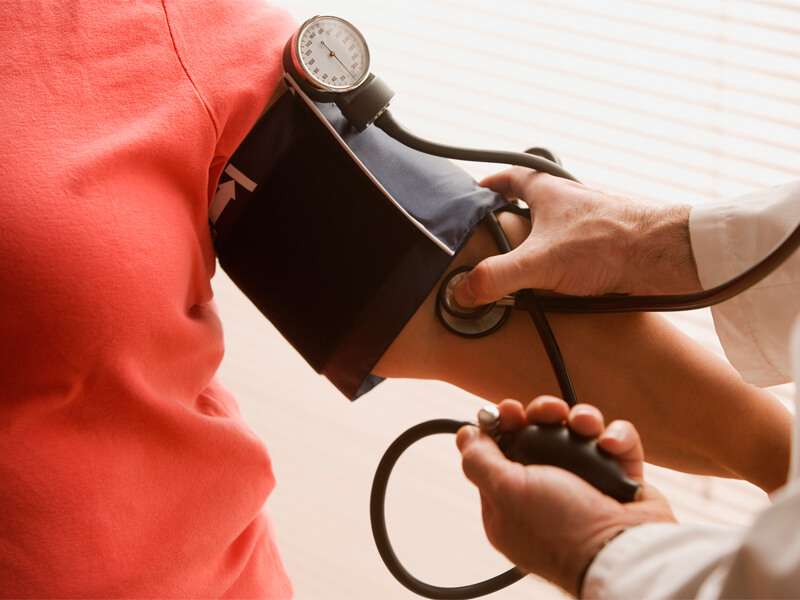
The thyroid gland plays a pivotal role in regulating metabolism and energy levels. Abnormal thyroid function can manifest in various ways. Testing is important to diagnose conditions such as hypothyroidism or hyperthyroidism accurately.
- Symptoms: Indicators include unexplained weight changes, fatigue, mood swings, and temperature sensitivity.
- Screens & Tests: Blood tests measuring TSH (Thyroid Stimulating Hormone) levels guide the diagnosis of thyroid disorders effectively.
- Treatment approaches: Medications can help normalize hormone levels; further assessment may be needed if nodules are detected on imaging studies.
- Long-term care: Patients usually require regular monitoring to ensure optimal thyroid function after initiation of therapy.
If you notice any concerning symptoms related to your thyroid health, arranging for testing can provide valuable insights into your overall well-being.
DIABETES SCREENING

Diabetes is a chronic condition characterized by elevated blood sugar levels. Early detection through screening is crucial for preventing complications. Screening tests help identify undiagnosed cases among high-risk individuals.
- Symptoms: Common signs include increased thirst, frequent urination, fatigue, and blurred vision.
- Diagnosis: Fasting plasma glucose tests or A1C tests determine whether blood sugar levels indicate diabetes.
- Treatment options: Depending on the type of diabetes diagnosed, management may include dietary changes, regular exercise, insulin therapy, or oral medications.
- Ongoing management: Continuous monitoring of blood sugar levels ensures effective control and reduces the risk of complications.
- Your role: Engage actively in your care plan by maintaining a healthy lifestyle and attending regular medical check-ups.
If you're at risk for diabetes due to family history or lifestyle factors, consider screening as a proactive measure toward your health.
HYPERTENSION MANAGEMENT

Hypertension, or high blood pressure, is a common condition that can lead to serious health issues if left untreated. It often goes unnoticed because symptoms can be subtle or absent. Regular monitoring is essential for early detection and effective management.
- Symptoms: Many individuals experience no symptoms; however, some may report headaches, shortness of breath, or nosebleeds.
- Diagnosis: Blood pressure readings taken on two separate occasions are used for diagnosis, along with assessing risk factors and potential organ damage.
- Treatment options: Lifestyle changes such as diet and exercise are crucial, alongside medications like diuretics or ACE inhibitors when necessary.
- Management: Regular follow-ups are important to adjust treatment plans and ensure blood pressure remains stable.
- Expectations: With proper management, individuals can lead healthy lives free from complications associated with uncontrolled hypertension.
If you suspect you have high blood pressure, consult a healthcare professional for evaluation and guidance on appropriate care.