
Dr Surendra Bahad
About Me
Dr Surendra Bahad
MBBS
General Physician
10 Years Experience
Biography
My Clinic
OPD Hours
| Monday | Morning | 10:00 AM | - | 02:00 PM |
| Evening | 06:00 PM | - | 09:00 PM | |
| Tuesday | Morning | 10:00 AM | - | 02:00 PM |
| Evening | 06:00 PM | - | 09:00 PM | |
| Wednesday | Morning | 10:00 AM | - | 02:00 PM |
| Evening | 06:00 PM | - | 09:00 PM | |
| Thursday | Morning | 10:00 AM | - | 02:00 PM |
| Evening | 06:00 PM | - | 09:00 PM | |
| Friday | Morning | 10:00 AM | - | 02:00 PM |
| Evening | 06:00 PM | - | 09:00 PM | |
| Saturday | Morning | 10:00 AM | - | 02:00 PM |
| Evening | 06:00 PM | - | 09:00 PM | |
| Sunday | Morning | 10:00 AM | - | 02:00 PM |
| Evening | 06:00 PM | - | 09:00 PM |
Treatments
Specialised care and treatments offered
NUTRITIONAL DEFICIENCY DIAGNOSIS
Nutritional deficiencies arise when the body lacks essential vitamins or minerals needed for optimal functioning. Identifying these deficits early aids in preventing related health issues.
CHRONIC OBSTRUCTIVE PULMONARY DISEASE (COPD) ASSESSMENT

COPD comprises lung conditions characterized by breathing difficulties. Early recognition through comprehensive evaluation helps manage symptoms effectively over time.
- Main signs include: Persistent cough with mucus production, shortness of breath especially on exertion are common indicators.
- Diagnostic approach: Pulmonary function tests measure lung capacity; imaging studies assess structural changes in lungs. Treatment modalities:
THYROID FUNCTION TESTING
The thyroid gland regulates many body functions. Dysfunction can cause wide-ranging symptoms requiring investigation through targeted testing for proper management.
- Pertinent symptoms: Fatigue, weight changes, mood disturbances may suggest thyroid problems like hypo- or hyperthyroidism.
- Testing procedures: Blood tests measuring TSH and thyroid hormone levels identify abnormalities effectively.
- Treatment options: Depending on results, hormone replacement therapy or medications reducing thyroid activity may be employed.
- The importance of monitoring: Regular follow-ups are necessary to adjust therapy based on ongoing test results and symptoms.
An accurate diagnosis supported by laboratory data allows tailored treatment aimed at restoring balance for overall health improvement.
RESPIRATORY INFECTION EVALUATION
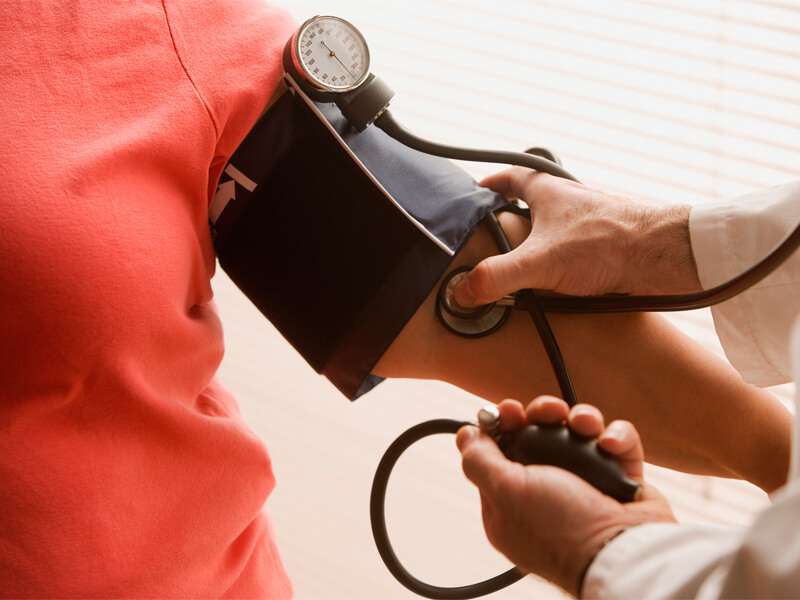
Lung infections like bronchitis or pneumonia affect breathing and require timely diagnosis to avoid progression. Professional evaluation ensures appropriate care.
- Symptoms include: Cough, fever, chest discomfort, shortness of breath often signal infection.
- Diagnostic tools: Physical examination coupled with chest X-rays or sputum tests confirm the diagnosis.
- Treatment approaches: Antibiotics for bacterial infections, supportive care including hydration and rest are standard.
- Mild vs severe cases: Differentiation guides whether outpatient treatment suffices or hospitalization is needed.
A prompt medical assessment minimizes risks associated with respiratory infections ensuring a smooth recovery path.
DIABETES SCREENING AND CARE

Diabetes is a metabolic disorder characterized by high sugar levels in the blood. Early detection through screening helps prevent complications.
- Symptoms and causes: Increased thirst, frequent urination, fatigue; caused by insulin resistance or deficiency.
- Diagnosis: Blood tests including fasting glucose, HbA1c levels provide an accurate assessment of sugar control.
- Treatment methods: Dietary management, physical activity, oral medications, or insulin as appropriate.
- Lifestyle modification importance: Weight management and healthy habits play a crucial role in control.
The goal is to maintain normal blood sugar levels and avoid complications such as nerve damage or kidney issues through diligent care.
HYPERTENSION MANAGEMENT

High blood pressure is a common yet serious condition that can lead to heart disease and stroke if left untreated. Understanding and controlling your blood pressure is vital for long-term health.
- Symptoms and causes: Often symptomless, but may include headaches or dizziness; causes range from genetics to lifestyle factors like diet and stress.
- Diagnosis: Multiple blood pressure readings at different times; ambulatory monitoring may be used for accuracy.
- Treatment options: Lifestyle modifications such as dietary changes, regular exercise, and medication when necessary.
- Management: Regular follow-up visits to monitor blood pressure and adjust treatment plans.
- Expectations: With proper control, risks of complications decrease significantly, improving quality of life.
Effective hypertension management requires commitment but can prevent severe cardiovascular problems in the future.