
Dr Surendra Jangi
About Me
Dr Surendra Jangi
MS
Orthopaedic Surgeons
10 Years Experience
Biography
My Clinic
OPD Hours
| Monday | Morning | 10:00 AM | - | 02:00 PM |
| Evening | 06:00 PM | - | 09:00 PM | |
| Tuesday | Morning | 10:00 AM | - | 02:00 PM |
| Evening | 06:00 PM | - | 09:00 PM | |
| Wednesday | Morning | 10:00 AM | - | 02:00 PM |
| Evening | 06:00 PM | - | 09:00 PM | |
| Thursday | Morning | 10:00 AM | - | 02:00 PM |
| Evening | 06:00 PM | - | 09:00 PM | |
| Friday | Morning | 10:00 AM | - | 02:00 PM |
| Evening | 06:00 PM | - | 09:00 PM | |
| Saturday | Morning | 10:00 AM | - | 02:00 PM |
| Evening | 06:00 PM | - | 09:00 PM | |
| Sunday | Morning | 10:00 AM | - | 02:00 PM |
| Evening | 06:00 PM | - | 09:00 PM |
Treatments
Specialised care and treatments offered
OSTEOPOROSIS MANAGEMENT
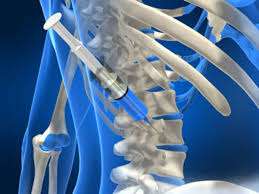
This encompasses lifestyle recommendations alongside potential medical interventions aimed at strengthening bone density and preventing fractures particularly among older adults. Recognizing early signs can lead to timely assessment strategies that help mitigate risks associated with osteoporosis effectively .
- Symptoms may include frequent fractures , loss of height over time , along with changes in posture affecting daily living .
- Diagnosis often relies on dual-energy X-ray absorptiometry (DEXA) scans coupled with clinical evaluations assessing risk factors present within each individual case .
- Treatment options encompass lifestyle adjustments incorporating nutrition rich in calcium & vitamin D fortified foods along stimulating physical activity patterns specifically tailored towards building bone health through resistance training regimens designed under expert supervision .
- Regular follow-ups ensure progress monitoring plus considerations regarding medication interventions if deemed necessary based on personal circumstances encountered throughout management pathways undertaken towards overcoming challenges posed due primarily osteoporosis related deterioration patterns discovered later among older generations .
Engaging proactively offers reassurance while establishing supportive frameworks aiming towards achieving healthier lifestyles ultimately leading enhanced quality living not hindered prolonged adversities faced due osteoporosis afflictions afflicting many during later stages life expectancy trajectory when left unmonitored adequately whilst aging concerns loom inevitably ahead ongoing worries continuity matters potentially arise frequently encountered especially perindividual circumstances observed noteworthy within array diverse medical portfolios explored inclusive complexity intricacies involved personalized unique situations experienced determine precise routes best suited navigating properly hence delicately situating priority placements highlighting management tailored fit precisely considered aligning beforehand optimistically anticipating favorable outcomes fruition embedded ensuring longevity wellbeing essentials upheld consistently reclaimed standards habitually recognized articulated appropriately transforming challenges met upheld proficiently uplifted successfully aimed established progressively cultivated forward-thinking aspirations securing enduring legacies rooted foundations inclining resolute trajectories pursued diligently addressing multitude facets complexities arising subsequently contextually shaping brighter futures characterized fortified resilience commitment unwavering sacrifice derived sufficiently invigorated rewarded loyally returned cumulatively supporting every integral element contributing enriching society vibrantly transitioning positively progressive future direction.
JOINT REPLACEMENT SURGERY (PARTIAL)
This procedure entails replacing damaged parts of a joint rather than performing a total replacement. Partial joint replacement can significantly alleviate pain while preserving more healthy bone structure when feasible.
- Candidates often exhibit severe arthritis symptoms that limit mobility despite non-surgical management strategies implemented prior to surgery.
- An evaluation involving physical examination combined with imaging aids in determining candidacy for partial joint replacement surgery.
- Patients can expect improved function post-recovery as well as substantial pain reduction from this targeted intervention .
- The operation generally results in less structural impact on surrounding tissues leading towards enhanced rehabilitation possibilities .
Adopting partial replacements ensures treatments align better with individual anatomy thereby optimizing long-term outcomes .
MINIMALLY INVASIVE SPINE SURGERY

This modern approach focuses on treating spinal disorders with smaller incisions compared to traditional methods. By utilizing advanced techniques and tools, surgeons can perform complex procedures with reduced risk and faster recovery times for patients.
- Sciatica, herniated discs, and spinal stenosis are among common conditions treated by this method due to their prevalence in back pain complaints.
- A thorough evaluation including imaging studies helps confirm diagnosis before considering surgery as a viable option.
- The benefits of minimally invasive surgery include decreased postoperative pain as well as shorter hospital stays compared to conventional spine surgeries.
- This method often allows surgeons to preserve surrounding muscles and tissues resulting in a quicker return to everyday activities post-surgery.
The goal of minimally invasive spine surgery is not only effective relief of symptoms but also improved overall patient experience through faster recovery trajectories.
KNEE INJECTION THERAPY

Knee injection therapy involves administering medications directly into the knee joint for various purposes including reducing inflammation or alleviating pain. This treatment can be particularly beneficial for those suffering from arthritis or other degenerative joint diseases.
- Pain during movement, stiffness, and swelling are common symptoms that prompt patients to seek this therapy.
- A full assessment including medical history and imaging will help determine if this treatment is appropriate for you.
- The injections may include corticosteroids, hyaluronic acid, or other regenerative substances aimed at providing relief from pain and improving function.
- The procedure itself is quick with minimal discomfort expected at the site of injection.
- Post-injection guidelines usually involve avoiding strenuous activities immediately after but resuming normal activities shortly thereafter.
Knee injections can provide significant relief without the need for more invasive surgical options while enhancing mobility effectively over time.
PLATELET-RICH PLASMA (PRP) THERAPY

This innovative treatment utilizes components of your own blood to promote healing in tendons, ligaments, and joints. PRP therapy has gained popularity for its effectiveness in treating various musculoskeletal conditions without requiring extensive downtime.
- Common indications include chronic pain from conditions like tennis elbow, tendon injuries, or arthritis symptoms.
- A blood sample is drawn from the patient, processed to concentrate platelets rich in growth factors, then injected into the injured area.
- Treatment aims to enhance the body’s natural healing processes by delivering concentrated healing components directly where they are needed most.
- The procedure is typically performed using ultrasound guidance for precision.
- Patients may notice improvements over several weeks as tissues gradually heal.
This approach has become an increasingly popular choice due to its safety profile and effectiveness in many cases.
ARTHROSCOPY

Arthroscopy is a minimally invasive surgical procedure used to diagnose and treat joint issues. It involves small incisions through which a tiny camera and instruments are inserted, allowing for detailed visualization of the interior of the joint.
- Symptoms can include persistent pain, swelling, and reduced mobility in the affected joint.
- Diagnosis is often confirmed through physical examinations, imaging tests like MRI or X-rays, and the arthroscopic procedure itself.
- Treatment options range from removing damaged tissue, repairing cartilage, to realigning bones as necessary.
- Post-operative care typically includes physical therapy to improve function and strength in the joint.
- Expect a shorter recovery time compared to traditional open surgery, often allowing patients to return home the same day.
This technique provides not only effective treatment but also minimal scarring and quicker rehabilitation.