
Dr Surendra Kuma
About Me
Dr Surendra Kuma
MS
Orthopaedic Surgeons
10 Years Experience
Biography
My Clinic
OPD Hours
| Monday | Morning | 10:00 AM | - | 02:00 PM |
| Evening | 06:00 PM | - | 09:00 PM | |
| Tuesday | Morning | 10:00 AM | - | 02:00 PM |
| Evening | 06:00 PM | - | 09:00 PM | |
| Wednesday | Morning | 10:00 AM | - | 02:00 PM |
| Evening | 06:00 PM | - | 09:00 PM | |
| Thursday | Morning | 10:00 AM | - | 02:00 PM |
| Evening | 06:00 PM | - | 09:00 PM | |
| Friday | Morning | 10:00 AM | - | 02:00 PM |
| Evening | 06:00 PM | - | 09:00 PM | |
| Saturday | Morning | 10:00 AM | - | 02:00 PM |
| Evening | 06:00 PM | - | 09:00 PM | |
| Sunday | Morning | 10:00 AM | - | 02:00 PM |
| Evening | 06:00 PM | - | 09:00 PM |
Treatments
Specialised care and treatments offered
TOTAL HIP REPLACEMENT SURGERY
This procedure replaces a severely damaged hip joint with an artificial implant. It’s commonly performed due to advanced arthritis causing debilitating hip pain impairing mobility.
- Indicators & Symptoms: Chronic hip pain limiting walking ability accompanied by stiffness unrelieved by medications.
- Diagnostic Evaluation: Comprehensive clinical exam augmented by X-rays showing joint space narrowing confirming severity.
- Surgical Approach & Rehabilitation: Hip replacement surgery involves removing diseased bone/cartilage followed by prosthetic component insertion. Postoperative physiotherapy focuses on restoring range-of-motion and strengthening supporting muscles.
- Expected Outcomes: Most patients regain significant functional improvement allowing return to daily activities without pain within several months.
This intervention dramatically enhances quality of life for those suffering end-stage hip disorders when conservative management fails.
HERNIATED DISC MANAGEMENT

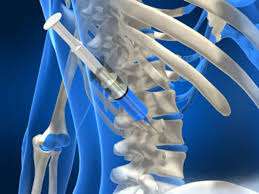
A herniated disc occurs when spinal disc material protrudes beyond its normal boundary pressing on nerves. This leads to back pain often radiating into the limbs depending on location.
- Key Symptoms & Causes: Pain localized or radiating along a nerve path (sciatica), numbness or tingling due to mechanical nerve irritation often resulting from lifting injuries or degenerative changes.
- Diagnosis: Clinical examination supported by MRI scans that detail nerve compression levels.
- Treatment Options: Conservative methods include rest, anti-inflammatory drugs, physical therapy focusing on core strengthening. Surgery such as discectomy reserved for severe cases with neurological deficits.
- Patient Outlook: Majority experience symptomatic improvement within weeks through non-surgical care but adherence to rehabilitation is essential.
Timely recognition paired with individualized treatment minimizes chronic pain risk associated with herniated discs.
ANTERIOR CRUCIATE LIGAMENT (ACL) RECONSTRUCTION

An ACL injury is common among athletes and involves tearing one of the main ligaments stabilizing the knee. This can cause instability during activity and swelling after injury.
- Causative Factors & Symptoms: Sudden twisting injury leading to knee pain, swelling, instability sensations while walking or pivoting.
- Diagnostic Process: Physical tests for ligament laxity combined with MRI imaging to confirm rupture extent.
- Treatment Strategy: Surgical reconstruction usually favored for active individuals to restore stability; involves graft placement followed by structured rehabilitation protocols.
- Surgical Outcomes & Recovery Timeline: Most return to previous activity levels within 6-12 months post-surgery with dedicated physiotherapy support.
Efficacious ACL reconstruction prevents further joint damage such as meniscal tears or early arthritis by stabilizing the knee effectively.
CARPAL TUNNEL SYNDROME TREATMENT

This condition arises from compression of the median nerve at the wrist, leading to numbness and tingling in the hand. It is prevalent among individuals with repetitive hand motions.
- Main Symptoms: Numbness, tingling in thumb, index, middle fingers; nighttime hand discomfort; weakened grip strength.
- Diagnostic Techniques: Clinical tests like Phalen’s test plus nerve conduction studies confirm diagnosis.
- Treatment Modalities: Wrist splinting especially at night, activity modification, corticosteroid injections; surgery considered if symptoms persist or worsen.
- Recovery Expectations: Many patients improve with conservative care; surgical release typically results in significant symptom relief when indicated promptly.
A combination of timely diagnosis and appropriate intervention prevents long-term nerve damage in carpal tunnel syndrome cases.
ROTATOR CUFF TEAR REPAIR

The rotator cuff is a group of muscles and tendons stabilizing the shoulder. Tears can result from injury or degeneration, causing significant pain and weakness.
- Symptoms/Presentation: Shoulder pain worsened at night or during overhead activities; muscle weakness; limited range of motion.
- How It's Diagnosed: Physical examination coupled with imaging such as MRI or ultrasound to determine tear extent.
- Treatment Approaches: Initial rest and anti-inflammatory medication followed by physical therapy; large or persistent tears may require arthroscopic surgical repair.
- Prognosis Post-Treatment: Rehabilitation is crucial for restoring strength and preventing recurrence; most patients regain functional use within months.
An accurate diagnosis followed by tailored treatment ensures optimal recovery from rotator cuff injuries.
OSTEOARTHRITIS MANAGEMENT

Osteoarthritis is a common degenerative joint disease that primarily affects the cartilage, leading to pain and stiffness. It most often targets weight-bearing joints such as knees and hips but can involve any joint.
- Symptoms and Causes: Gradual onset of joint pain, swelling, limited motion; caused by wear-and-tear or previous joint injuries.
- Diagnosis: Clinical evaluation, X-rays to assess joint space narrowing, and sometimes MRI for detailed cartilage imaging.
- Treatment Options: Lifestyle modifications including weight management, physical therapy, use of NSAIDs for pain relief, and in advanced cases, surgical interventions like joint replacement.
- What to Expect: Progressive nature requires ongoing symptom management; early intervention improves quality of life.
Proper management focuses on reducing discomfort and maintaining joint function to enhance mobility and daily activity endurance.