
DR Surendra Kumar
About Me
DR Surendra Kumar
MD
Cardiologist
Biography
My Clinic
OPD Hours
| Monday | Morning | 10:00 AM | - | 02:00 PM |
| Evening | 06:00 PM | - | 09:00 PM | |
| Tuesday | Morning | 10:00 AM | - | 02:00 PM |
| Evening | 06:00 PM | - | 09:00 PM | |
| Wednesday | Morning | 10:00 AM | - | 02:00 PM |
| Evening | 06:00 PM | - | 09:00 PM | |
| Thursday | Morning | 10:00 AM | - | 02:00 PM |
| Evening | 06:00 PM | - | 09:00 PM | |
| Friday | Morning | 10:00 AM | - | 02:00 PM |
| Evening | 06:00 PM | - | 09:00 PM | |
| Saturday | Morning | 10:00 AM | - | 02:00 PM |
| Evening | 06:00 PM | - | 09:00 PM | |
| Sunday | Morning | 10:00 AM | - | 02:00 PM |
| Evening | 06:00 PM | - | 09:00 PM |
Treatments
Specialised care and treatments offered
CARDIAC REHABILITATION

Cardiac rehabilitation programs provide comprehensive support for those recovering from heart problems. These structured programs emphasize physical recovery alongside emotional well-being following cardiac events like surgery or a heart attack.
LIFESTYLE MODIFICATION COUNSELING
Counseling on lifestyle modifications plays a pivotal role in preventing cardiovascular diseases. Empowering patients with knowledge about healthier choices leads to improved overall well-being and reduced risk factors related to heart health issues.
- Mainly addressing factors such as diet quality, physical activity levels, weight management, and smoking cessation are integral parts of this process.
- An assessment of current habits will guide tailored advice for better choices that suit individual needs effectively;
- The goal is not just immediate benefits but also sustainable practices leading to long-term cardiovascular health.
HEART DISEASE SCREENING
Screening for heart disease is crucial for early detection and intervention. Identifying risk factors like high blood pressure or elevated cholesterol allows for timely management strategies to be implemented.
- Risk factors include age, family history, smoking habits, sedentary lifestyle, and existing medical conditions such as diabetes or obesity.
- Screening tools may involve physical exams, blood tests, and imaging techniques to assess overall cardiovascular health accurately.
- Lifestyle modifications along with appropriate medical interventions can significantly mitigate risks associated with heart disease after identification through screening tests.
- Sustained monitoring is essential following screening to assess changes over time and ensure continued health improvement efforts
An emphasis on preventative screenings supports long-term cardiovascular wellness by detecting concerns before they escalate into more serious conditions.
ELECTROCARDIOGRAM (ECG) TESTING
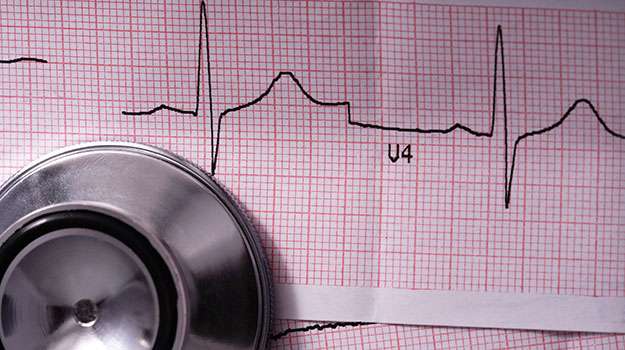
An electrocardiogram (ECG) is a non-invasive test that records the electrical activity of the heart. It helps in identifying various cardiac conditions early on before they become severe issues.
- This test does not typically have symptoms; it’s often done as part of routine evaluations or when specific symptoms arise.
- The procedure is quick and painless; electrodes are placed on the skin to capture heart activity data.
- If irregularities are found, further testing might be recommended based on initial findings from the ECG.
- The results provide invaluable information regarding heart rhythm disorders or other underlying cardiac issues that require attention.
An ECG serves as an important tool in proactive cardiac care, allowing patients to take preventive steps if needed.
CHOLESTEROL MANAGEMENT
Managing cholesterol levels is vital for preventing heart disease. High cholesterol can lead to plaque buildup in arteries, resulting in reduced blood flow and increased risk of cardiovascular events.
- The causes of high cholesterol include poor diet, lack of exercise, genetics, and obesity.
- A lipid panel test during routine check-ups is used to diagnose cholesterol levels effectively.
- Lifestyle alterations such as increased physical activity and dietary adjustments are essential; medications like statins may be prescribed if necessary.
- Monitoring cholesterol levels regularly helps track progress and adjusts treatment accordingly.
- A proactive approach towards managing cholesterol can significantly reduce the risk of heart-related conditions in the future.
By focusing on healthy lifestyle choices, individuals can maintain optimal cholesterol levels for better heart health.
HYPERTENSION MANAGEMENT
Hypertension, or high blood pressure, is a common yet serious condition that can lead to heart disease and stroke if left untreated. Regular monitoring and management are essential to maintain healthy blood pressure levels.
- Symptoms may include headaches, dizziness, or shortness of breath, but often there are no symptoms at all.
- Diagnosis is typically conducted through routine blood pressure screenings using a sphygmomanometer.
- Treatment options include lifestyle changes such as diet modifications, regular exercise, and medications like diuretics or ACE inhibitors.
- Regular follow-ups with your healthcare provider are necessary to adjust treatment plans and ensure effective management.
- If left unchecked, hypertension can cause significant complications including heart attack or kidney damage.
Working towards maintaining normal blood pressure can greatly enhance overall health and prevent serious health issues down the road.
INTERVENTIONAL PROCEDURES
Interventional procedures are medical procedures that are performed using minimally invasive techniques to diagnose or treat various conditions. These procedures often involve the use of specialized instruments, imaging guidance, and small incisions or catheter insertions. They are typically performed by interventional radiologists, cardiologists, or other specialized physicians. Common interventional procedures include angiography and angioplasty, where angiography involves injecting a contrast dye into blood vessels to visualize their structure and identify abnormalities, while angioplasty is used to widen narrowed or blocked blood vessels using a balloon catheter to restore blood flow. Stent placement is another commonly performed procedure in which small mesh tubes are inserted into narrowed or blocked blood vessels to keep them open, particularly in patients with coronary artery disease, peripheral artery disease, and other vascular conditions. Biopsy procedures involve removing a small sample of tissue for examination and diagnosis, often using imaging guidance such as ultrasound or CT scans for precise targeting. Radiofrequency ablation utilizes heat generated by radiofrequency energy to destroy abnormal or cancerous cells and is frequently used for tumors of the liver, kidney, lung, or bone. Embolization is a technique used to block or reduce blood flow to specific areas by injecting embolic agents into blood vessels, making it effective for treating bleeding, tumors, and vascular malformations. Vertebroplasty and kyphoplasty are specialized procedures designed to stabilize fractured vertebrae by injecting bone cement into the affected spinal bones, thereby providing support and pain relief. Chemoembolization and radioembolization deliver chemotherapy drugs or radioactive particles directly into tumors or the blood vessels supplying them, offering targeted treatment for liver cancer and certain metastatic tumors. Drainage procedures are performed to remove fluid or pus from body cavities or abscesses, often with the assistance of image-guided catheter placement. Additionally, ablation procedures for arrhythmias, including radiofrequency ablation and cryoablation, are used to treat abnormal heart rhythms by selectively destroying abnormal electrical pathways within the heart.
PEDIATRICIAN & NICU

SURGERY & TRAUMA CARE
ORTHOPAEDIC
CARDIOLOGY