
Dr Surendra Kumar
About Me
Dr Surendra Kumar
Dermatologist
Biography
My Clinic
OPD Hours
| Monday | Morning | 10:00 AM | - | 02:00 PM |
| Evening | 06:00 PM | - | 09:00 PM | |
| Tuesday | Morning | 10:00 AM | - | 02:00 PM |
| Evening | 06:00 PM | - | 09:00 PM | |
| Wednesday | Morning | 10:00 AM | - | 02:00 PM |
| Evening | 06:00 PM | - | 09:00 PM | |
| Thursday | Morning | 10:00 AM | - | 02:00 PM |
| Evening | 06:00 PM | - | 09:00 PM | |
| Friday | Morning | 10:00 AM | - | 02:00 PM |
| Evening | 06:00 PM | - | 09:00 PM | |
| Saturday | Morning | 10:00 AM | - | 02:00 PM |
| Evening | 06:00 PM | - | 09:00 PM | |
| Sunday | Morning | 10:00 AM | - | 02:00 PM |
| Evening | 06:00 PM | - | 09:00 PM |
Treatments
Specialised care and treatments offered
SKIN CANCER SCREENING
Regular screenings are vital for early detection of skin cancer. This condition remains one of the most prevalent cancers worldwide but is highly treatable when caught early. Individuals across all ages should prioritize these exams as part of their preventative health care routine!
- Skin cancer signs include new growths or changes in existing moles such as color changes or irregular borders requiring timely evaluation by professionals Both environmental factors (like UV exposure) along with genetic tendencies increase susceptibility which necessitates vigilance Visual inspections by healthcare practitioners form the diagnostic approach although biopsies confirm malignancy if detected thus securing accurate diagnosis Management strategies depend significantly upon type (e.g., basal cell carcinoma versus melanoma) with surgical excision being common along with potential radiation therapies Early-stage detection leads not only towards favorable outcomes but also reduces extensive treatment needs later hence encouraging annual checks
Committing oneself towards regular examinations plays an integral role not just within personal health stewardship but broader public awareness initiatives promoting safer sun practices overall .
MELASMA
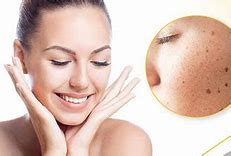
This pigmentation disorder results in brownish patches on sun-exposed areas of the skin. Melasma commonly affects women during their reproductive years but can also impact men occasionally due to hormonal fluctuations or sun exposure.
- Key symptoms include symmetrical brown marks primarily found on cheeks, forehead, nose, and upper lip without associated pain or discomfort
- The leading causes are hormonal changes related to pregnancy or birth control pills alongside significant sun exposure which exacerbates pigment production
- Diagnosis is generally clinical based upon appearance since no specific tests are necessary
- Treatment focuses on topical lightening agents along with strict sun protection measures
- While melasma may not fully disappear, continued care can significantly lighten pigmentation over time
Being informed empowers individuals affected by melasma to engage actively in their skincare routines while seeking professional guidance when necessary .
WARTS
A common viral infection caused by human papillomavirus (HPV), warts appear as benign growths on the skin. They can develop at any age but are especially frequent among children and adolescents.
- Warts typically present as rough bumps that vary in size and might be painful depending on the location
- The HPV virus usually enters through small cuts or breaks in the skin; direct contact with infected surfaces also spreads them easily.
- A visual examination usually suffices for diagnosis; sometimes a biopsy helps differentiate other lesions from warts
- Treatment options include cryotherapy, salicylic acid application, or laser therapy for more resistant cases
- Most warts resolve over time without treatment; however, intervention speeds up resolution while reducing spread to others
This condition emphasizes the importance of hygiene practices to minimize transmission risks while offering effective treatment avenues when needed.
ECZEMA
Eczema is a term for various inflammatory skin conditions that cause itching and redness. It is common in children but can occur at any age, often persisting into adulthood.
- Common symptoms include dry, itchy patches that may crack or become infected if scratched excessively.
- The condition may arise due to allergies, irritants in the environment, or genetic factors that impact skin barrier function.
- Diagnosis is primarily based on clinical evaluation along with patient history regarding triggers and existing allergies.
- Treatment often includes moisturizers to restore moisture balance and medicated creams to reduce inflammation during flare-ups.
- Effective management promotes healing and minimizes irritations from everyday activities.
Coping with eczema can involve lifestyle adjustments alongside medical interventions for sustained relief from symptoms.
PSORIASIS
This chronic autoimmune condition leads to the rapid growth of skin cells, causing scaling on the skin's surface. It affects different age groups but often manifests in early adulthood.
- Symptoms include red patches covered with thick, silvery scales that may be itchy or painful.
- The exact cause remains unclear but involves genetic predisposition and environmental triggers like stress or infections.
- Diagnosis is made through clinical examination; sometimes a biopsy is performed to confirm it.
- Treatment may involve topical treatments like corticosteroids or systemic therapies depending on severity.
- Patients can expect flare-ups periodically; regular monitoring can help manage it effectively.
Understanding psoriasis leads to better management strategies and improved quality of life for those affected.
ACNE
Acne is a common skin condition that affects people of all ages, particularly teenagers and young adults. It occurs when hair follicles become clogged with oil and dead skin cells, leading to pimples, blackheads, and cysts.
- Symptoms include various types of lesions such as blackheads, whiteheads, and inflamed nodules.
- The primary causes involve hormonal changes, dietary factors, and bacterial growth on the skin.
- Diagnosis typically involves a physical examination; sometimes, additional tests are required to rule out other conditions.
- Treatment options consist of topical medications like retinoids, antibiotics for inflammation, or oral medications in more severe cases.
- Expect gradual improvements; consistent care is crucial to prevent scarring.
Managing acne often requires a tailored approach for each individual. Early treatment can significantly improve outcomes and boost confidence.