
Dr Surendra Meen
About Me
Dr Surendra Meen
MBBS
General Physician
10 Years Experience
Biography
My Clinic
OPD Hours
| Monday | Morning | 10:00 AM | - | 02:00 PM |
| Evening | 06:00 PM | - | 09:00 PM | |
| Tuesday | Morning | 10:00 AM | - | 02:00 PM |
| Evening | 06:00 PM | - | 09:00 PM | |
| Wednesday | Morning | 10:00 AM | - | 02:00 PM |
| Evening | 06:00 PM | - | 09:00 PM | |
| Thursday | Morning | 10:00 AM | - | 02:00 PM |
| Evening | 06:00 PM | - | 09:00 PM | |
| Friday | Morning | 10:00 AM | - | 02:00 PM |
| Evening | 06:00 PM | - | 09:00 PM | |
| Saturday | Morning | 10:00 AM | - | 02:00 PM |
| Evening | 06:00 PM | - | 09:00 PM | |
| Sunday | Morning | 10:00 AM | - | 02:00 PM |
| Evening | 06:00 PM | - | 09:00 PM |
Treatments
Specialised care and treatments offered
WEIGHT MANAGEMENT
Sustaining a healthy weight is critical for overall wellbeing as obesity contributes significantly to numerous chronic diseases including diabetes and hypertension. A comprehensive understanding of weight management principles assists individuals towards achieving their goals effectively without resorting solely relying on quick fixes .
- Symptoms associated with unhealthy weight patterns involve fatigue , sleep apnea , joint pains along mood disorders affecting mental health positively negatively .
- Diagnosis involves calculating body mass index (BMI) assessing fat distribution utilizing waist circumference measurements looking out other indicators general health markers .
- Strategies targeting sustainable change revolve around balanced nutrition incorporating adequate servings fruits vegetables lean proteins teamed regular physical activity sessions maintaining consistent wake-sleep routines optimizing metabolic rates monitored progress diligently makes all journey achievable feasible .
- Professional guidance counseling play vital roles tailoring personalized approaches fitting individual lifestyles ensuring successful transitions healthier versions oneself .
Commitment self-care inspires beautiful transformations leads improved quality means sustaining happiness remarkable lives beyond mere numbers scales ' .
GASTROESOPHAGEAL REFLUX DISEASE (GERD)

This chronic digestive disorder occurs when stomach acid flows back into the esophagus frequently leading to uncomfortable symptoms. Understanding GERD enables better management of its effects on daily living activities and overall health status.
- The primary symptom, heartburn occurs due to irritation stemming from acidic contents irritating the esophagus lining after meals or at night leading to discomfort or pain behind the breastbone.'
- Diagnosis usually entails patient history documentation combined with endoscopic evaluations if necessary to visualize esophagus lining directly.
- Management primarily consists of dietary alterations by avoiding trigger foods alongside behavioral modifications including eating smaller meals less than three times daily before bedtime.
- Proton pump inhibitors or H2 blockers may also be prescribed for symptomatic relief depending upon severity levels experienced by individuals seeking help .
Taking proactive steps towards addressing GERD can make all difference in enhancing quality life over time ' .
RESPIRATORY INFECTIONS

Respiratory infections are common illnesses that affect the airways and lungs. These can range from mild colds to more severe conditions like pneumonia or bronchitis. Early recognition facilitates timely treatment and recovery strategies.
- Typical symptoms include cough, sore throat, nasal congestion, fever, and difficulty breathing depending on severity.
- The diagnosis often relies on clinical evaluation along with possible imaging or laboratory tests to determine the specific infection type responsible for the illness.
- Treatment generally involves rest, hydration, over-the-counter medications to relieve symptoms, and sometimes antibiotics for bacterial infections when deemed necessary by healthcare professionals.
- Preventive measures such as vaccinations against flu or pneumococcus enhance resilience against respiratory infections in higher-risk populations.
A supportive care approach greatly enhances recovery from respiratory infections while promoting wellness practices can reduce future occurrences significantly.
HYPERLIPIDEMIA
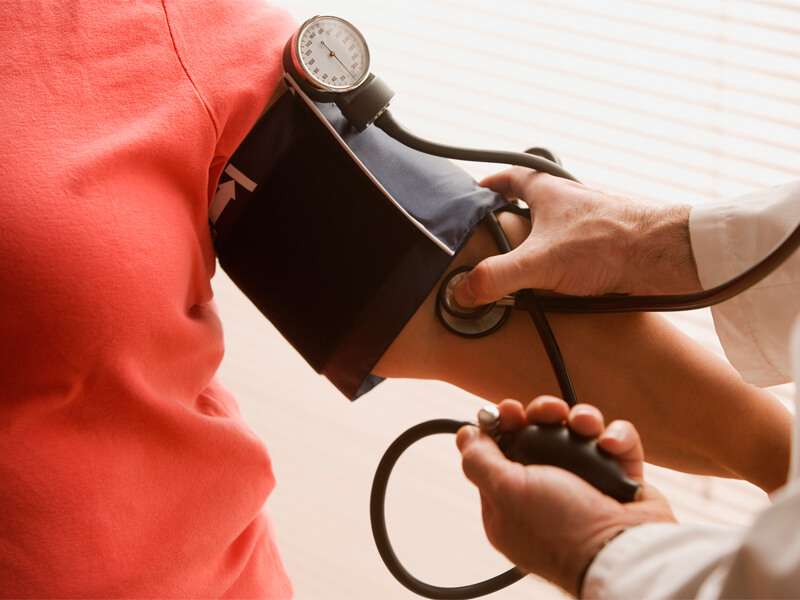
Elevated cholesterol levels are a common health concern known as hyperlipidemia. This condition can increase the risk of heart disease if not properly managed through lifestyle changes and medical interventions.
- Persistent high cholesterol usually presents no clear symptoms; it is often discovered during routine blood tests.
- A lipid panel test helps diagnose this condition by measuring levels of LDL (bad) cholesterol, HDL (good) cholesterol, and triglycerides in the blood.
- Treatment usually begins with dietary adjustments like reducing saturated fats and adopting heart-healthy foods rich in omega-3 fatty acids while encouraging regular exercise habits.
- If diet alone is insufficient to achieve desired lipid levels, medications may be introduced under professional guidance.
- Lifelong management through regular follow-up appointments ensures that cholesterol levels remain within target ranges for cardiovascular health protection.
Your commitment to healthy habits plays a crucial role in managing hyperlipidemia effectively.
DIABETES MANAGEMENT

Diabetes affects how your body uses sugar (glucose), which is an important source of energy. It can result in various complications if not properly managed. Education on the condition is vital for effective self-management.
- Main symptoms include increased thirst, frequent urination, extreme fatigue, and blurred vision.
- A diagnosis is made through blood tests that measure glucose levels and A1C tests indicating long-term control.
- Management includes a balanced diet focusing on low glycemic index foods and regular physical activity to maintain healthy glucose levels.
- The use of insulin or other medications may be required based on individual needs assessed by healthcare providers.
- Coping mechanisms such as stress management and support groups can aid patients in maintaining their treatment regimen.
A proactive approach enhances quality of life for those living with diabetes.
HYPERTENSION
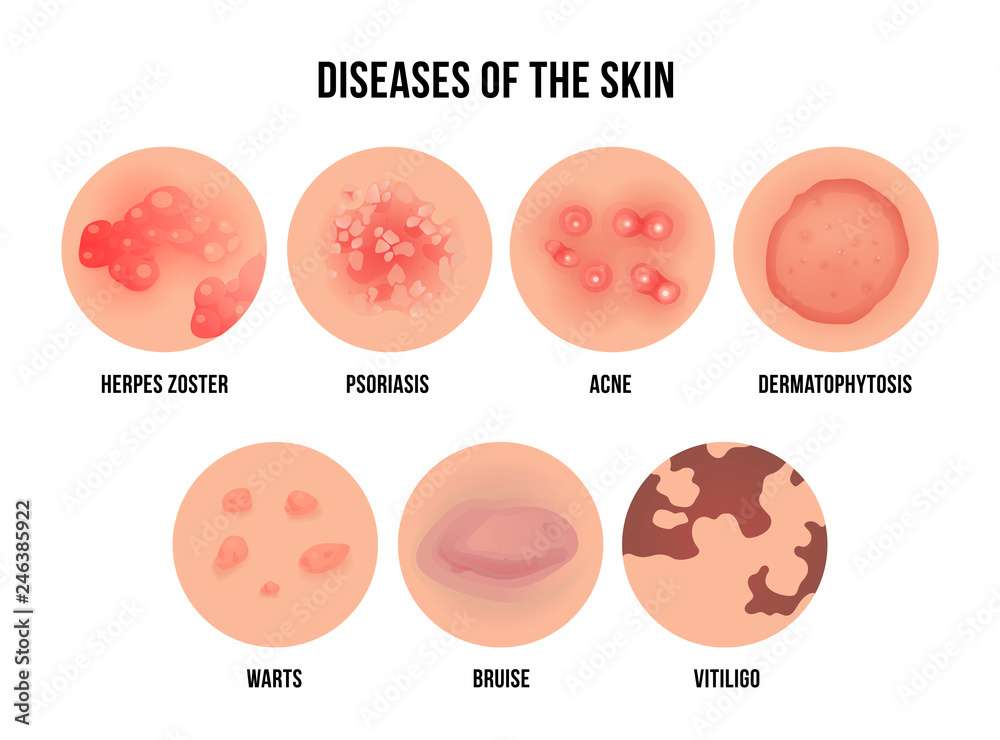
High blood pressure, commonly known as hypertension, is a serious condition that can lead to significant health problems if left unmanaged. It often develops over many years and may not show any symptoms initially.
- Symptoms may include headaches, shortness of breath, and nosebleeds in severe cases.
- Diagnosis typically involves measuring blood pressure with a sphygmomanometer during routine checkups or specific visits.
- Management options include lifestyle changes such as diet modifications, regular physical activity, and medication options if necessary.
- Patients are generally advised to reduce sodium intake, maintain a healthy weight, and manage stress effectively.
- Adequate monitoring is crucial; regular check-ups help in adjusting treatments as needed for optimal control.
Understanding hypertension is essential for its management. Addressing lifestyle factors can significantly improve outcomes.