
Dr Surendra Shar
About Me
Dr Surendra Shar
MS
Orthopaedic Surgeons
10 Years Experience
Biography
My Clinic
OPD Hours
| Monday | Morning | 10:00 AM | - | 02:00 PM |
| Evening | 06:00 PM | - | 09:00 PM | |
| Tuesday | Morning | 10:00 AM | - | 02:00 PM |
| Evening | 06:00 PM | - | 09:00 PM | |
| Wednesday | Morning | 10:00 AM | - | 02:00 PM |
| Evening | 06:00 PM | - | 09:00 PM | |
| Thursday | Morning | 10:00 AM | - | 02:00 PM |
| Evening | 06:00 PM | - | 09:00 PM | |
| Friday | Morning | 10:00 AM | - | 02:00 PM |
| Evening | 06:00 PM | - | 09:00 PM | |
| Saturday | Morning | 10:00 AM | - | 02:00 PM |
| Evening | 06:00 PM | - | 09:00 PM | |
| Sunday | Morning | 10:00 AM | - | 02:00 PM |
| Evening | 06:00 PM | - | 09:00 PM |
Treatments
Specialised care and treatments offered
LUMBAR DISC HERNIATION
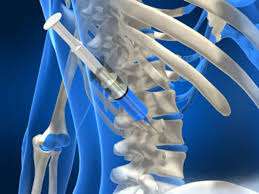
A lumbar disc herniation occurs when a disc between spinal vertebrae protrudes outwards due to degeneration or injury. It can lead to significant discomfort especially if it compresses nearby nerves resulting into sciatica symptoms!
- The usual symptoms, including lower back pain radiating down one leg accompanied by numbness/tingling sensation further complicate day-to-day activities as these sensations may become increasingly unbearable thus impacting one's overall well-being negatively overall!
- To diagnose this condition correctly—the assessment typically involves detailed history-taking supplemented with different imaging methods such as MRI scans tailored according each patient's specific situation appropriately so treatment plans reflect their needs accordingly!
- Treatment modalities available often comprise conservative strategies initially—which focus on activity modifications & physiotherapy; however surgical intervention might be warranted depending upon severity although generally reserved thereafter if non-invasive methods fail consistently thereafter!
Consistent follow-ups alongside committed rehabilitation efforts yield favorable outcomes seeking sustainable long-term solutions post-surgery restoring functionality enhancing life quality once more!
PLANTAR FASCIITIS

This common foot condition results from inflammation of the plantar fascia—a band of tissue connecting your heel bone to your toes. It's particularly prominent among runners and individuals who spend long periods standing on hard surfaces.
- The main symptoms include sharp pain in the heel area when taking your first steps after resting or prolonged inactivity during daily activities like walking or standing up after sitting down for a while.
- A comprehensive assessment involving patient history alongside physical exams will aid in diagnosing this condition accurately without requiring extensive additional tests normally.
- Treatment approaches consist primarily of stretching exercises, orthotic devices to support foot arching properly; anti-inflammatory medications might also provide symptomatic relief. In persistent cases not responding well to conservative treatments—surgery may be considered as an option towards effective resolution over time as needed!
An early diagnosis followed by dedicated care significantly enhances recovery prospects for those suffering from plantar fasciitis!
TENDONITIS

Tendonitis is an inflammation or irritation of a tendon caused by repetitive motion or excessive use. Common locations include elbows (tennis elbow), shoulders, and knees (jumper's knee).
- The most frequent symptoms are localized pain during movement, limited mobility, swelling around the affected area, and tenderness when touched.
- A medical history review combined with physical assessments helps confirm this condition’s diagnosis without extensive testing in many instances.
- Treatment focuses on reducing inflammation through rest, ice application, anti-inflammatory medications, or physical therapy to enhance healing processes. Severe cases might require corticosteroid injections or surgery if conservative measures fail.
Caring for tendonitis early on is crucial in preventing chronic issues associated with tendon problems down the line.
CARPAL TUNNEL SYNDROME

This condition occurs when the median nerve becomes compressed at the wrist level. It is prevalent among individuals who engage in repetitive hand movements over time.
- The primary symptoms include numbness, tingling in the fingers, pain radiating up the arm, and weakness in hand grip strength.
- A thorough clinical evaluation along with nerve conduction studies aids in confirming diagnosis.
- Management can range from wrist splints and activity modification to anti-inflammatory medications; surgical options may be necessary for severe cases.
- Pain relief usually improves gradually with proper treatment while lifestyle adjustments are recommended to prevent recurrence.
A proactive approach is key in managing carpal tunnel syndrome effectively and enhancing hand functionality.
ROTATOR CUFF INJURY

A rotator cuff injury refers to damage to the group of muscles and tendons that stabilize the shoulder. This condition commonly arises from repetitive overhead activities or acute trauma.
- Main symptoms include shoulder pain, weakness when lifting objects, and restricted range of motion.
- Diagnosis often involves physical examinations along with imaging tests like ultrasound or MRI to assess the extent of damage.
- Treatment can involve rest, physical therapy, corticosteroid injections, or in some cases, surgery to repair the torn tendon.
- Rehabilitation plays a crucial role, as it helps restore strength and function over time.
Persistent care and adherence to rehabilitation are essential for recovery from a rotator cuff injury.
OSTEOARTHRITIS

Osteoarthritis is a degenerative joint disease characterized by the wear and tear of cartilage. This condition often affects weight-bearing joints like the knees, hips, and spine.
- Symptoms include joint pain, stiffness, swelling, and reduced flexibility.
- The diagnosis typically involves physical examination and imaging tests such as X-rays or MRIs.
- Treatment options may range from lifestyle modifications and physical therapy to medications for pain relief.
- In severe cases, surgical interventions like joint replacement could be considered.
- Patients can expect gradual improvement with appropriate management while keeping in mind that osteoarthritis is a chronic condition requiring ongoing care.
Understanding osteoarthritis is vital for effective management and maintaining quality of life.