
Dr Suresh Ade
About Me
Dr Suresh Ade
Internal Medicine
Biography
My Clinic
OPD Hours
| Tuesday | Morning | 10:00 AM | - | 02:00 PM |
| Evening | 06:00 PM | - | 09:00 PM | |
| Wednesday | Morning | 10:00 AM | - | 02:00 PM |
| Evening | 06:00 PM | - | 09:00 PM | |
| Thursday | Morning | 10:00 AM | - | 02:00 PM |
| Evening | 06:00 PM | - | 09:00 PM | |
| Friday | Morning | 10:00 AM | - | 02:00 PM |
| Evening | 06:00 PM | - | 09:00 PM | |
| Saturday | Morning | 10:00 AM | - | 02:00 PM |
| Evening | 06:00 PM | - | 09:00 PM | |
| Sunday | Morning | 10:00 AM | - | 02:00 PM |
| Evening | 06:00 PM | - | 09:00 PM | |
| Thursday | Morning | 10:00 AM | - | 02:00 PM |
| Evening | 06:00 PM | - | 09:00 PM |
Treatments
Specialised care and treatments offered
PREVENTIVE HEALTH SCREENINGS
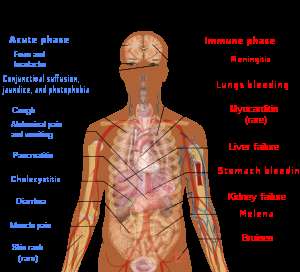
The importance of preventive health screenings cannot be overstated in internal medicine. They play a vital role in identifying potential health issues before they become serious problems.
- The screenings commonly include blood pressure checks, cholesterol levels assessments, diabetes screens among others based on age and risk factors.
Your healthcare provider will discuss personalized screening schedules based on your individual health profile .
ANEMIA EVALUATION
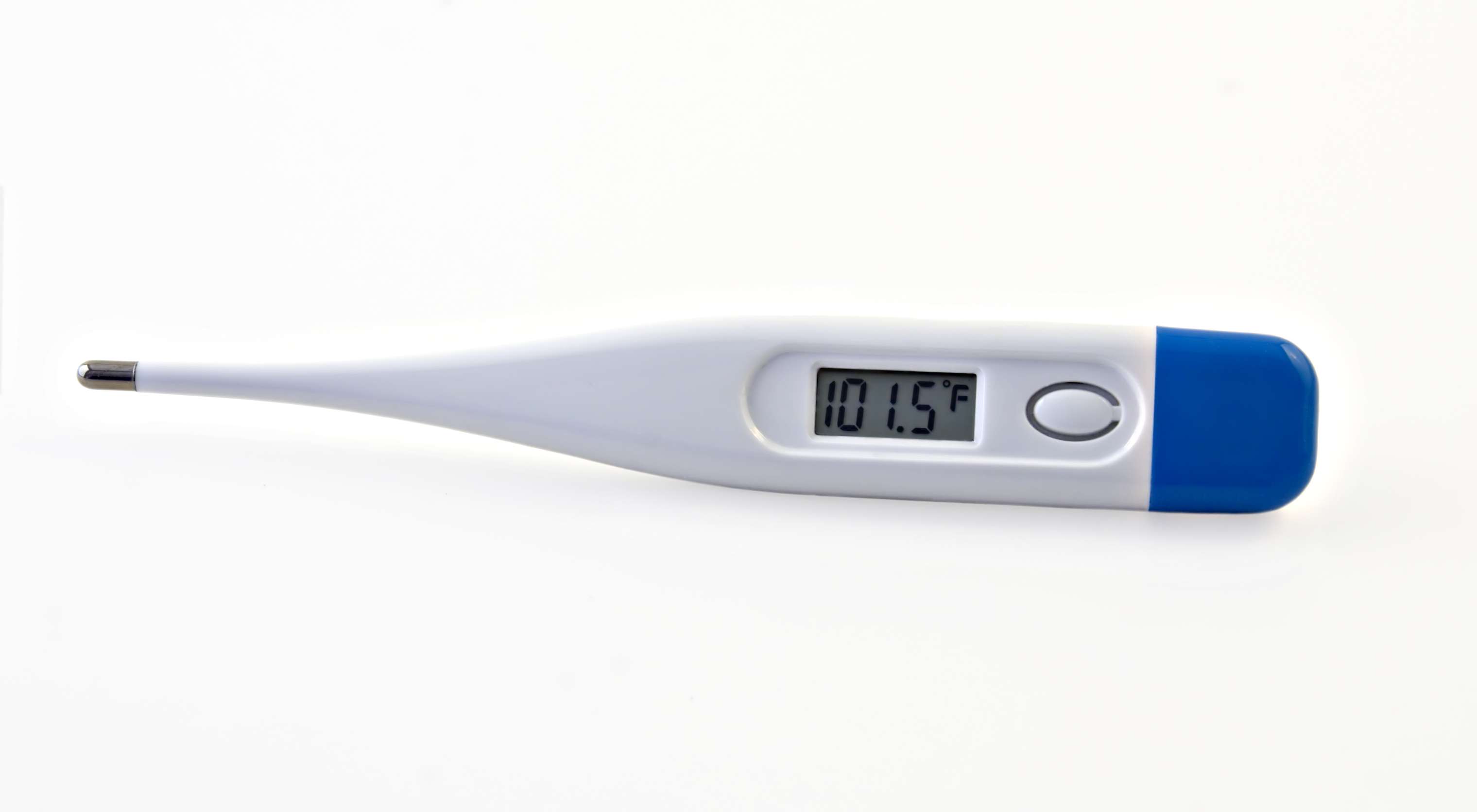
Anemia occurs when your body lacks enough healthy red blood cells to carry adequate oxygen to your tissues. Identifying the underlying cause is key to effective treatment.
- Symptoms: Fatigue , weakness , shortness of breath , & pale skin may indicate anemia .
- Diagnosis: Blood tests including complete blood count (CBC) will help ascertain hemoglobin levels & possible causes .
- Treatment options: Depending on severity & type , treatments may include iron supplements , vitamin B12 injections , or addressing underlying conditions .
Timely assessment & tailored interventions can greatly improve energy levels & overall well-being for individuals suffering from anemia .
GASTROESOPHAGEAL REFLUX DISEASE (GERD) TREATMENT
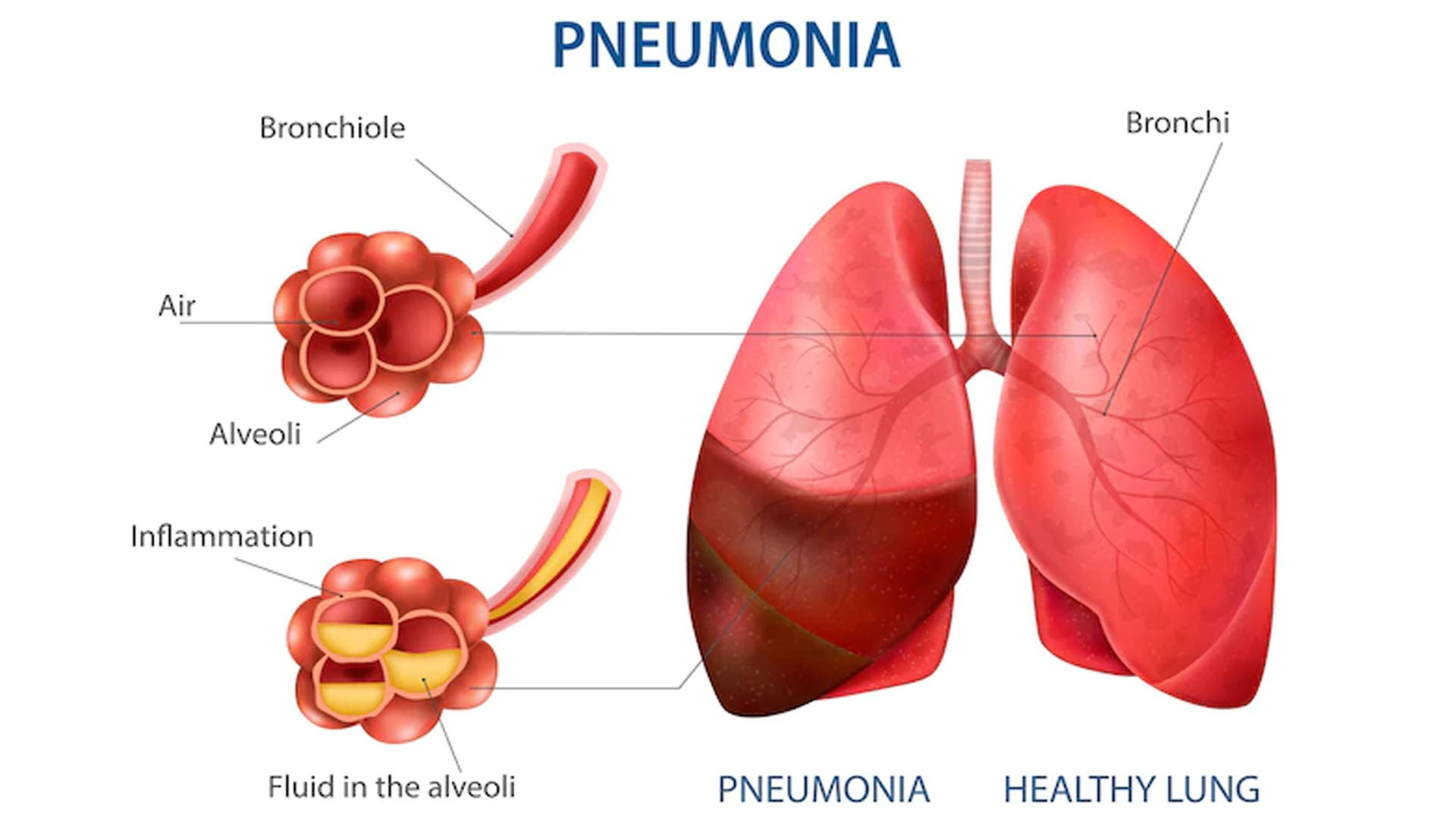
GERD is a chronic digestive condition where stomach acid flows back into the esophagus. Understanding its nature can aid individuals in managing their symptoms effectively.
- Main symptoms: Heartburn, regurgitation of food or sour liquid, trouble swallowing, and chronic coughing may occur.
- The diagnosis often involves a thorough history review supplemented by endoscopy or pH monitoring to assess acid levels in the esophagus.
Your healthcare provider can guide you through an effective management plan tailored to your specific needs to alleviate GERD symptoms over time.
CHRONIC OBSTRUCTIVE PULMONARY DISEASE (COPD) MANAGEMENT
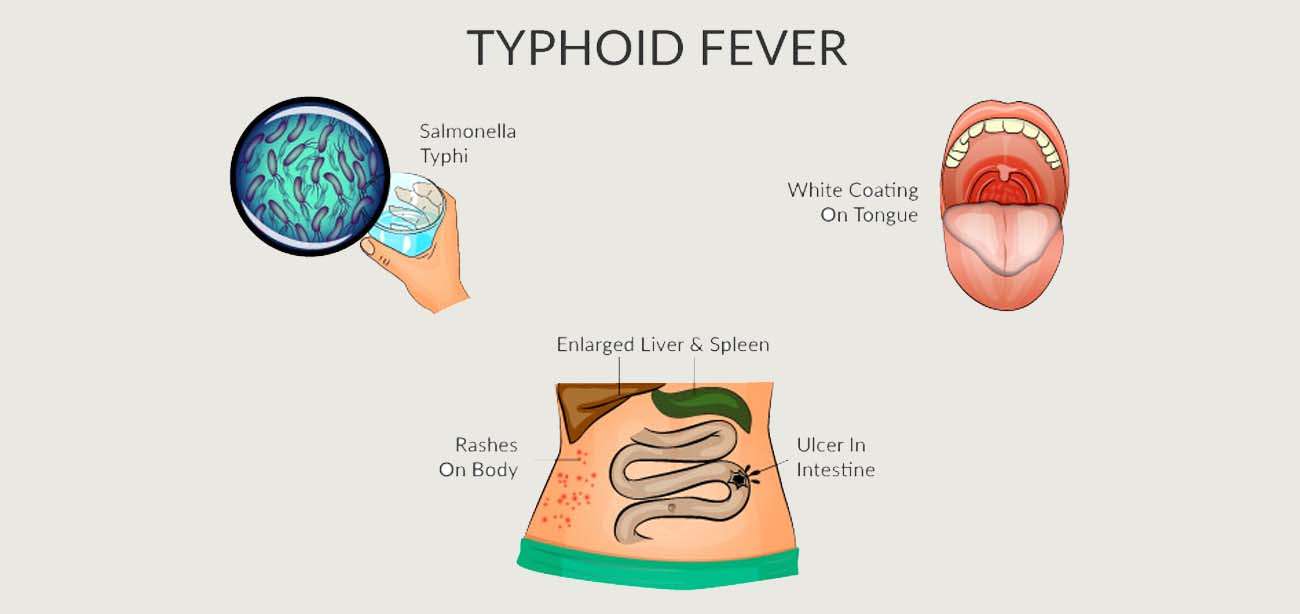
COPD is a progressive lung disease characterized by increased breathlessness. Early intervention can significantly improve quality of life for those diagnosed with this condition.
- Symptoms include: Chronic cough, excess mucus production, wheezing, and frequent respiratory infections.
- Diagnosis typically involves: Spirometry tests to assess lung function alongside imaging studies like chest X-rays.
- Treatment options: Common management strategies involve bronchodilators, steroids, rehabilitation programs, and oxygen therapy when necessary.
A comprehensive care plan allows patients to manage their symptoms effectively while maintaining active lifestyles.
DIABETES MELLITUS MANAGEMENT
Diabetes mellitus is a chronic condition that affects how your body processes glucose. Managing diabetes is vital to avoid serious complications such as heart disease and neuropathy.
- Types: The two main types are Type 1 and Type 2 diabetes, each requiring different management strategies.
- Causative factors: Genetics, obesity, and lifestyle choices play significant roles in the risk of developing diabetes.
- Treatment approaches: Insulin therapy, oral medications, dietary adjustments, and regular physical activity form the backbone of diabetes management.
- Monitoring: Routine blood sugar level checks are crucial for effective control of the disease.
An individualized plan can help achieve optimal glucose levels and enhance quality of life for those living with diabetes.
HYPERTENSION MANAGEMENT
Hypertension, commonly known as high blood pressure, is a significant health issue affecting millions globally. It often goes unnoticed because it doesn’t usually exhibit clear symptoms. Early detection and management are crucial to prevent complications.
- Symptoms: Many individuals are asymptomatic; however, some may experience headaches or dizziness.
- Diagnosis: Blood pressure measurements taken during regular check-ups help in diagnosing hypertension.
- Treatment options: Lifestyle changes such as diet modifications, regular exercise, and medication can effectively manage the condition.
- Monitoring: Regular follow-ups and monitoring of blood pressure levels are essential for ongoing management.
With appropriate treatment and lifestyle adjustments, individuals with hypertension can lead healthy lives while minimizing risks associated with this condition.