
Dr Suresh Advani
About Me
Dr Suresh Advani
Anesthesiologist
Biography
My Clinic
OPD Hours
| Tuesday | Morning | 10:00 AM | - | 02:00 PM |
| Evening | 06:00 PM | - | 09:00 PM | |
| Wednesday | Morning | 10:00 AM | - | 02:00 PM |
| Evening | 06:00 PM | - | 09:00 PM | |
| Thursday | Morning | 10:00 AM | - | 02:00 PM |
| Evening | 06:00 PM | - | 09:00 PM | |
| Friday | Morning | 10:00 AM | - | 02:00 PM |
| Evening | 06:00 PM | - | 09:00 PM | |
| Saturday | Morning | 10:00 AM | - | 02:00 PM |
| Evening | 06:00 PM | - | 09:00 PM | |
| Sunday | Morning | 10:00 AM | - | 02:00 PM |
| Evening | 06:00 PM | - | 09:00 PM | |
| Thursday | Morning | 10:00 AM | - | 02:00 PM |
| Evening | 06:00 PM | - | 09:00 PM |
Treatments
Specialised care and treatments offered
SEDATION FOR ENDOSCOPY
Sedation during endoscopic procedures facilitates patient comfort by alleviating anxiety and discomfort associated with diagnostic examinations of internal organs. This approach allows physicians better access while ensuring patients remain manageable throughout their experience.
- Conditions Addressed: Many patients seek endoscopy due to gastrointestinal issues such as chronic reflux or unexplained abdominal discomfort.
- Monitoring Throughout Procedure: Continuous monitoring helps maintain vitals within safe ranges while ensuring sedation levels meet procedural demands adequately.
- Post-Procedure Expectations: Most individuals recover quickly from sedation but are advised against driving immediately afterward due implications regarding alertness levels post-sedative use.
Ultimately, this method enhances patient experience significantly enabling smoother procedures with less reported distress overall.
PERIPHERAL NERVE BLOCK

A peripheral nerve block (PNB) involves injecting anesthetic near specific nerves that supply sensation and movement to particular regions of the body. It's frequently utilized for upper or lower limb surgeries allowing for effective pain management with minimal systemic effects.
- Symptoms Indicating Need: Patients may present with localized pain conditions affecting extremities that can be addressed through targeted PNBs.
- Assessment Criteria: Physical evaluations along with imaging studies help determine if a PNB is appropriate for an individual patient’s needs.
- Benefits of Treatment: Patients often experience less postoperative pain and reduced need for opioids when successfully administered this nerve block prior to surgery.
Such regional anesthesia techniques empower patients by providing greater control over their pain management strategy during recovery phases.
TRANSVERSUS ABDOMINIS PLANE BLOCK

A transversus abdominis plane (TAP) block involves injecting local anesthetics into a specific abdominal plane, providing effective analgesia for surgeries involving the lower abdomen. It plays a crucial role in enhancing postoperative comfort while minimizing opioid use.
- Pain Management Purpose: This block significantly reduces pain after abdominal surgery, leading to faster recovery times.
- Candidacy: Ideal candidates include those undergoing cesarean sections or hernia repairs who wish to minimize opioid consumption post-surgery.
- Procedure Details: The block can be performed preoperatively or postoperatively using ultrasound guidance for precision.
Implementation of a TAP block not only improves patient satisfaction but also provides better control over postoperative analgesia.
INTRAVENOUS SEDATION

Intravenous (IV) sedation is a technique used to calm patients during medical procedures without fully putting them under general anesthesia. It's commonly employed for minor surgical interventions and diagnostic procedures where patient cooperation is required.
- Sedative Effects: Patients feel relaxed, drowsy, and often forget much of what happened during the procedure.
- Dosing Evaluation: The level of sedation is tailored based on individual needs and responses during administration.
- Management Post-Procedure: After recovery from sedation, it's recommended that patients have someone accompany them home due to residual effects on motor skills and judgement.
This method ensures safety while reducing anxiety and discomfort associated with various medical treatments.
EPIDURAL STEROID INJECTION

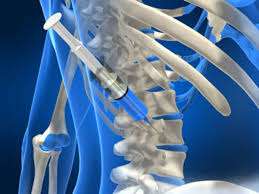
An epidural steroid injection (ESI) delivers anti-inflammatory medication directly into the epidural space surrounding the spinal cord. This technique is particularly beneficial for managing chronic back pain or radicular symptoms radiating down the legs.
- Causes: Conditions such as herniated discs or spinal stenosis can lead to inflammation that an ESI helps alleviate.
- Symptoms: Patients typically report persistent pain, tingling, or weakness in their limbs prior to receiving this intervention.
- Diagnosis: Imaging like MRI or CT scans may be employed to identify issues contributing to nerve compression.
- Treatment & Management: ESIs can provide significant relief, allowing patients to engage more effectively in physical therapy or other rehabilitation activities.
This minimally invasive procedure is designed to improve quality of life by reducing pain and enhancing mobility.
REGIONAL ANESTHESIA

Regional anesthesia is a technique that involves injecting an anesthetic near a cluster of nerves to block sensation in a specific area of the body. This method is widely used in surgeries and procedures of the lower body, such as orthopedic or pelvic surgeries.
- Common Symptoms: Patients may experience pain, swelling, or limited movement in the targeted area prior to the procedure.
- Diagnosis: A thorough medical history and physical examination are typically carried out to assess the patient's suitability for regional anesthesia.
- Treatment Options: Injections can be performed using local anesthetics and sometimes adjunct medications like steroids for longer relief.
- Expectations: After the procedure, patients will have reduced sensation in the targeted area, often facilitating quicker recovery times and less reliance on systemic pain medications.
This approach aims to enhance comfort during surgical procedures while minimizing complications and promoting postoperative recovery.