
Dr Suresh Agarwa
About Me
Dr Suresh Agarwa
MBBS
General Physician
10 Years Experience
Biography
My Clinic
OPD Hours
| Monday | Morning | 10:00 AM | - | 02:00 PM |
| Evening | 06:00 PM | - | 09:00 PM | |
| Tuesday | Morning | 10:00 AM | - | 02:00 PM |
| Evening | 06:00 PM | - | 09:00 PM | |
| Wednesday | Morning | 10:00 AM | - | 02:00 PM |
| Evening | 06:00 PM | - | 09:00 PM | |
| Thursday | Morning | 10:00 AM | - | 02:00 PM |
| Evening | 06:00 PM | - | 09:00 PM | |
| Friday | Morning | 10:00 AM | - | 02:00 PM |
| Evening | 06:00 PM | - | 09:00 PM | |
| Saturday | Morning | 10:00 AM | - | 02:00 PM |
| Evening | 06:00 PM | - | 09:00 PM | |
| Sunday | Morning | 10:00 AM | - | 02:00 PM |
| Evening | 06:00 PM | - | 09:00 PM |
Treatments
Specialised care and treatments offered
STRESS MANAGEMENT TECHNIQUES
Coping effectively with stress has become increasingly recognized as crucial for maintaining overall health. A variety of techniques can aid individuals in managing their stress both physically and psychologically.
This approach allows one control level impacts wellness quality:- Cognitive Behavioral Therapy (CBT): Engaging with trained professionals who facilitate understanding through thoughts leading behaviors will result desirable outcomes observing improvements mental clarity shift emotional states toward wellness satisfaction
- Meditation & Mindfulness Practices :I< ensuing calm allow present moment exploration chiefly diminishes anxiety attacks builds resilience when confronted challenging circumstances
- Lifestyle Adjustments :Lifestyle transition incorporating regular exercise nutritional choices favoring balance yields positive effects response. This blend combination holistic pervades entirety idiosyncratic nature thus leads thoughtful exploration coping mechanisms equipping all embarking journey towards optimal living realities contentment w/r.t harmony calibrated sustenance regimen probability tranquil existence persistently revived self glorified increments gradual progress achieved overtime!
IMMUNIZATION UPDATES

An essential aspect of preventive healthcare is keeping vaccinations up-to-date to protect against various infectious diseases. Immunizations play a key role in community health standards as well as individual protection against pathogens.
The public needs awareness about immunizations that are relevant throughout different life stages:- Pediatric Immunizations: Routine childhood vaccines defend against measles,.mumps,.rubella.,and..polio...
- Youth & Adult Immunizations: Updates including HPV,and Tdap encourage protective measures into young adulthood
- Seniors’ Vaccinations: Flu shots pertain particularly emphasizing older populations due declining immunity factors extensively increases vulnerability
ANNUAL HEALTH CHECK-UPS
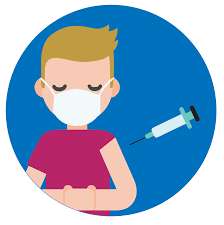
An annual health check-up is crucial for preventive care and early detection of potential health issues before they become serious problems. Making this part of your routine fosters long-term wellbeing.
- Purpose: These check-ups help identify risk factors for chronic diseases like diabetes or hypertension at an early stage while providing an opportunity for patient education on healthier lifestyles.
CHOLESTEROL MONITORING
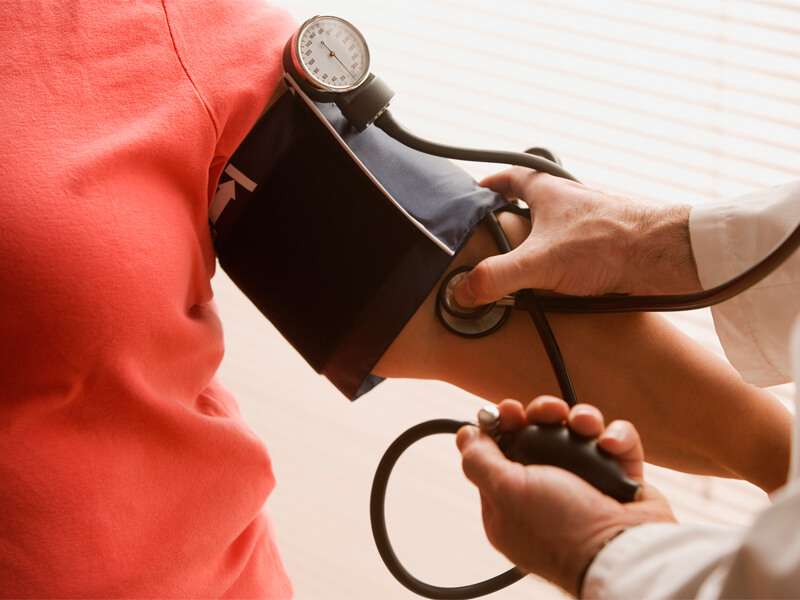
Elevated cholesterol levels can substantially increase the risk of cardiovascular diseases if not managed properly. Regular monitoring helps maintain heart health.
- Causative Factors: Poor diet, lack of exercise, obesity, and genetics contribute to high cholesterol levels.
- Symptoms: High cholesterol often has no noticeable symptoms but can lead to severe conditions like heart attacks over time.
- Diagnosis: Blood tests measuring lipid profiles provide valuable information regarding cholesterol levels in the body.
- Treatment Approaches: Lifestyle modifications such as diet changes and increased physical activity are first-line treatments; statin medications may be prescribed as needed.
A proactive approach in monitoring cholesterol can help mitigate risks associated with heart-related illnesses.
DIABETES SCREENING

Diabetes is a chronic disease characterized by high levels of glucose in the blood due to issues with insulin production or action. Early screening is vital for prevention and control.
- Risk Factors: Family history, obesity, and sedentary lifestyles increase the likelihood of developing diabetes.
- Symptoms: Common signs include increased thirst, frequent urination, fatigue, and blurred vision. However, many may remain asymptomatic during early stages.
- Diagnosis: Screening tests like fasting blood sugar or HbA1c levels are used to confirm diabetes status.
- Treatment Options: Management involves lifestyle changes, monitoring blood sugar levels, and medications like metformin if needed.
If detected early through routine screenings, individuals can take steps to manage their health effectively.
HYPERTENSION MANAGEMENT
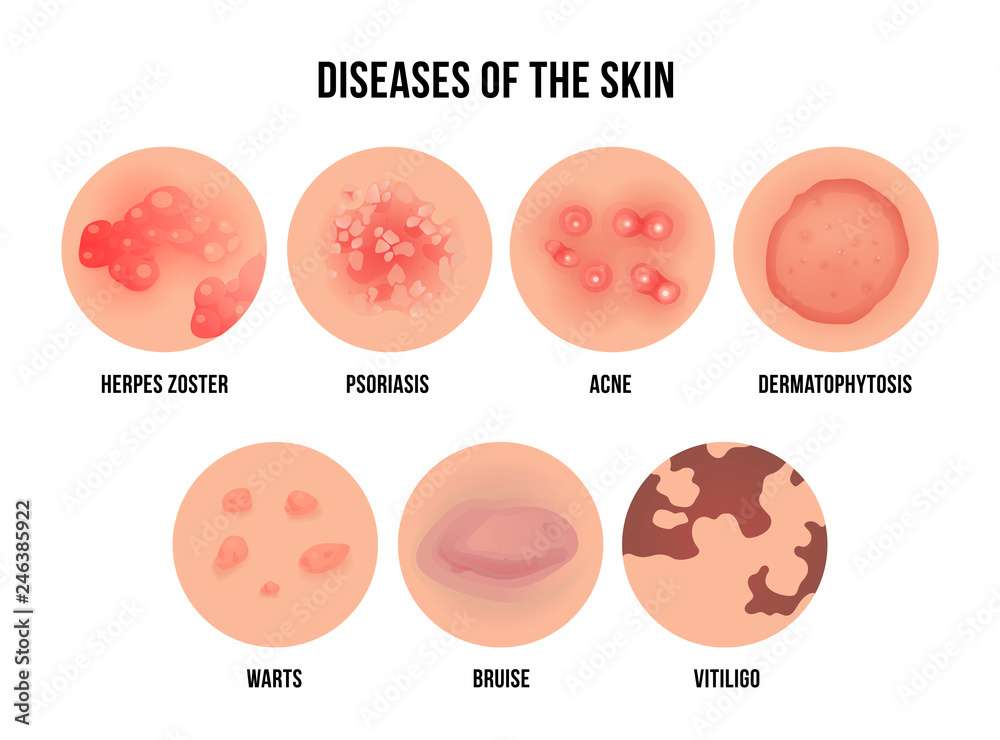
Hypertension, commonly known as high blood pressure, is a widespread health condition that can lead to serious complications if left untreated. Understanding the aspects of hypertension is essential for effective management.
- Symptoms: Often called the 'silent killer,' hypertension may not exhibit noticeable symptoms until it becomes severe.
- Diagnosis: Blood pressure readings taken during routine check-ups help in diagnosing hypertension. Measurements typically above 130/80 mmHg indicate the condition.
- Treatment: Management includes lifestyle changes such as adopting a low-sodium diet, regular physical activity, and possibly medications like diuretics or ACE inhibitors.
- Monitoring: Regular follow-ups are critical to adjust treatment plans and keep blood pressure within normal limits.
- Prevention: Maintaining a healthy weight and managing stress can significantly reduce the risk of developing hypertension.
With appropriate management strategies, individuals can effectively control their blood pressure and reduce the risk of heart-related diseases.