
About Me
Dr. Suresh Bhagia
MBBS FRCS Dnb
Cardiovascular/Thoracic Surgery
38 Years Experience
Biography
About Dr. Suresh Bhagia:
As a seasoned cardiovascular surgeon with a passion for lifestyle medicine, Dr. Suresh Bhagia stands at the forefront of medical innovation, blending cutting-edge surgical expertise with a holistic approach to wellness. With a career spanning several decades, Dr. Bhagia has emerged as a beacon of excellence in the field, dedicated to reshaping lives through transformative cardiac care. A detailed description may be found in the websites www.drsureshbhagia.com and www.healthyhearthub.in and www.dime360.in about the teamwork of Dr. Suresh Bhagia.
Medical Journey
Dr. Bhagia's journey in the world of medicine began with graduating with honours from a prestigious medical institution in Baroda, Gujarat, western India. Early in his career, he developed a keen interest in cardiovascular surgery, drawn to the intricacies of the human heart and the profound impact it has on overall health.
Cardiovascular Excellence
Over the years, Dr. Suresh Bhagia has etched his name internationally in the field of cardiovascular surgery, accumulating a wealth of experience and expertise. Renowned for his surgical precision and commitment to patient outcomes, he has successfully performed a multitude of complex cardiac procedures, earning the trust of patients and colleagues alike. His surgical interventions range from intricate coronary artery bypass grafting to advanced heart valve repair and replacement. Even his expertise as a varicose vein laser treatment specialist with over 98% success rates and proficiency in other vascular disorders showcases his comprehensive skill set in the realm of cardiovascular surgery.
Lifestyle Medicine Advocate
Beyond the operating room, Dr. Bhagia is a trailblazer in the field of lifestyle medicine. Recognizing the pivotal role that lifestyle plays in preventing and managing cardiovascular diseases, he has championed a holistic approach to healthcare. Driven by the belief that prevention is as crucial as intervention, he actively promotes lifestyle modifications such as healthy eating, regular exercise, stress management, and smoking cessation to enhance overall well-being.
Educator and Thought Leader
Dr. Suresh Bhagia extends his influence beyond patient care as an esteemed educator and thought leader in cardiovascular medicine. He has contributed significantly to medical literature, sharing his insights on advancements in surgical techniques, lifestyle interventions, and the evolving landscape of cardiovascular healthcare. Through lectures, publications, and educational initiatives, he continues to shape the next generation of medical professionals.
Patient-Centric Philosophy
At the heart of Dr. Bhagia's practice is a patient-centric philosophy. He believes in fostering open communication, creating a partnership with patients to navigate their healthcare journey. Empathy, compassion, and a commitment to personalised care define the relationships he builds with those under his watchful care.
Legacy of Healing
Dr. Bhagia's legacy is one of healing, compassion, and a relentless pursuit of excellence. Through his surgical prowess and commitment to lifestyle medicine, he leaves an indelible mark on the lives he touches. The impact of his work extends far beyond the walls of the operating room, reaching into the daily lives of those who have benefited from his expertise.
Conclusion
Welcome to the virtual home of Dr. Suresh Bhagia, a distinguished cardiovascular surgeon and strong advocate for lifestyle medicine. Explore these pages to learn more about his illustrious career, commitment to patient well-being, and the transformative intersection of surgical expertise and holistic healthcare.
My Clinic
OPD Hours
| Monday | Morning | 10:00 AM | - | 02:00 PM |
| Evening | 06:00 PM | - | 09:00 PM | |
| Tuesday | Morning | 10:00 AM | - | 02:00 PM |
| Evening | 06:00 PM | - | 09:00 PM | |
| Wednesday | Morning | 10:00 AM | - | 02:00 PM |
| Evening | 06:00 PM | - | 09:00 PM | |
| Thursday | Morning | 10:00 AM | - | 02:00 PM |
| Evening | 06:00 PM | - | 09:00 PM | |
| Friday | Morning | 10:00 AM | - | 02:00 PM |
| Evening | 06:00 PM | - | 09:00 PM | |
| Saturday | Morning | 10:00 AM | - | 02:00 PM |
| Evening | 06:00 PM | - | 09:00 PM | |
| Sunday | Morning | 10:00 AM | - | 02:00 PM |
| Evening | 06:00 PM | - | 09:00 PM |
Treatments
Specialised care and treatments offered
HEART TRANSPLANTATION
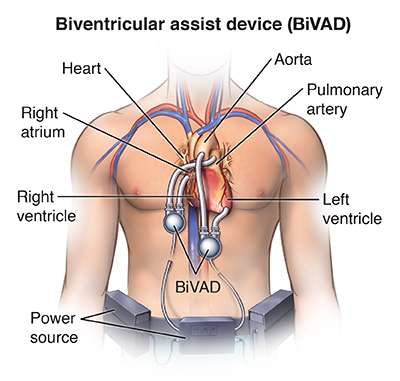
Heart transplantation is considered when severe heart diseases no longer respond effectively to medical management. This surgical option offers hope for individuals facing end-stage heart failure by replacing their diseased heart with a healthy donor organ.
- An individual awaiting transplant might show symptoms such as extreme fatigue, fluid retention, and arrhythmias caused by poor heart efficiency.
- Diagnosis encompasses comprehensive evaluations including blood tests , imaging studies , alongside assessments evaluating overall candidacy .
- Post-transplant care involves immunosuppressive therapy , frequent check-ups , lifestyle adjustments aimed at optimizing organ acceptance without rejection episodes occurring .
- Patients often report significant improvements in vitality levels once they recover fully from surgery .
Heart transplantation remains one viable solution among various advanced treatments specifically targeted towards those suffering from debilitating cardiac dysfunction states effectively .
THORACIC ANEURYSM REPAIR
A thoracic aneurysm repair addresses bulging areas within the walls of major arteries in the chest. Untreated aneurysms may rupture causing life-threatening conditions; hence prompt intervention is crucial.
- Commonly reported symptoms include back pain, difficulty breathing, or coughing due to pressure on nearby structures from an expanding aneurysm.
- This condition is often diagnosed through imaging tests like CT scans or MRIs that provide detailed views of arterial structure abnormalities.
- S urgical options range from open repair where an incision is made directly over the aneurysm to endovascular stenting which requires smaller incisions .
- Expecting proper post-operative monitoring , patients typically need several follow-up appointments focusing on blood pressure control strategies .
Repairing thoracic aneurysms substantially reduces risks while promoting improved vascular health continuity post-operatively .
MITRAL VALVE REPAIR
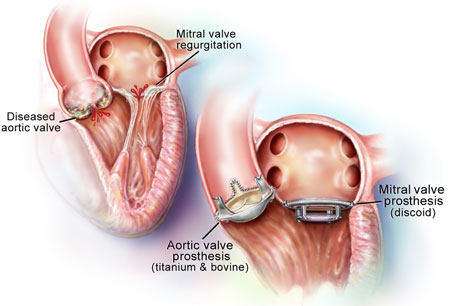
Mitral valve repair is performed when the mitral valve doesn't close properly, leading to mitral regurgitation. This surgery restores normal blood flow within the heart chambers and alleviates symptoms associated with the condition.
- Pain in the chest, fatigue during activity, palpitations, and swollen legs are common symptoms.
- The diagnosis is confirmed through echocardiography which visualizes valve function accurately.
- Surgical techniques vary but often involve techniques like annuloplasty or leaflet repair without replacing the valve entirely if possible.
- A good prognosis is expected post-operation with diligent monitoring during recovery phases including lifestyle modification support.
This procedure helps maintain effective circulation and offers symptomatic relief for many patients suffering from this condition.
LUNG RESECTION SURGERY
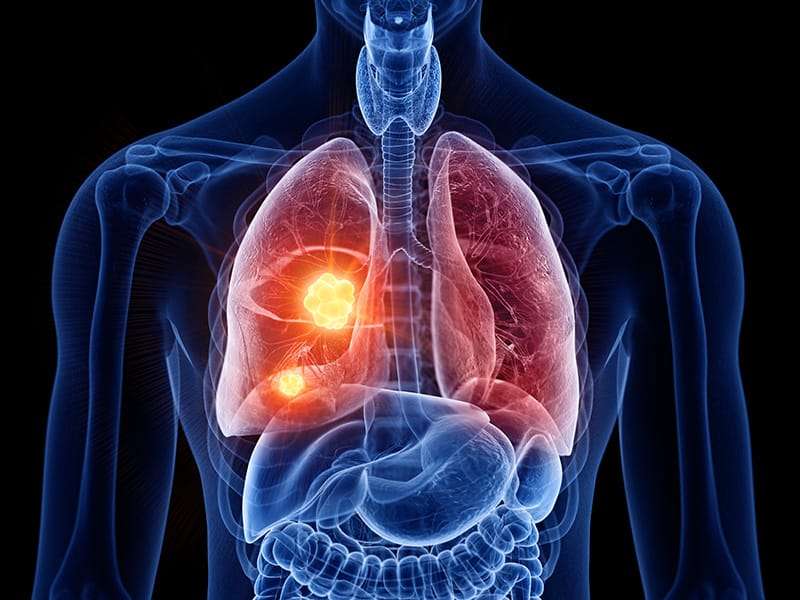
Lung resection surgery involves the removal of part or all of a lung affected by diseases such as cancer or severe infections. This procedure aims to improve lung function and eliminate diseased tissue.
- Sufferers may exhibit symptoms such as persistent cough, unexplained weight loss, and coughing up blood.
- Diagnosing these conditions usually involves imaging studies like CT scans along with biopsies for cancer confirmation.
- Surgical options include lobectomy (removal of a lobe), pneumonectomy (removal of an entire lung), or wedge resection for small tumors.
- Recovery includes hospital monitoring followed by pulmonary rehabilitation exercises designed to strengthen breathing capacity.
- This surgery can significantly improve respiratory function for many patients when addressed early enough.
Lung resections are vital interventions that contribute positively to long-term survival rates in affected individuals.
AORTIC VALVE REPLACEMENT
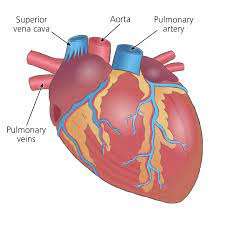
Aortic valve replacement is a surgical procedure used to treat aortic valve stenosis or regurgitation, conditions where the valve fails to open or close properly. This can lead to serious heart issues if left untreated.
- Patients commonly experience symptoms like shortness of breath, fatigue during exertion, and dizziness.
- Diagnosis typically involves echocardiograms and cardiac catheterization to assess valve function.
- The procedure can be performed via open-heart surgery or minimally invasive techniques depending on patient health and anatomy.
- Post-operative care includes monitoring for complications and rehabilitation programs to enhance recovery.
- Most patients notice substantial improvements in their quality of life post-surgery with appropriate follow-up care.
Aortic valve replacement significantly enhances heart function and overall health when performed timely.
CORONARY ARTERY BYPASS GRAFTING (CABG)
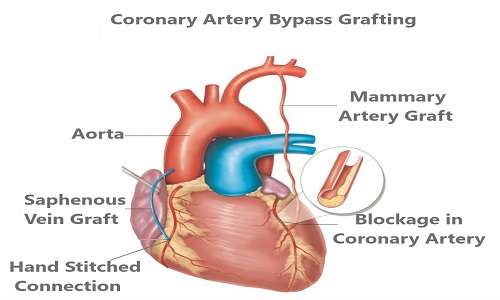
Coronary Artery Bypass Grafting, commonly known as CABG, is a surgical procedure aimed at improving blood flow to the heart. It involves using a healthy artery or vein from another part of the body to bypass blocked coronary arteries.
- Symptoms of coronary artery disease may include chest pain, shortness of breath, and fatigue.
- The condition is diagnosed through methods such as stress tests, echocardiograms, and coronary angiography.
- Treatment often involves lifestyle changes alongside CABG, such as medication for cholesterol management and hypertension.
- Post-surgery, patients can expect a stay in the hospital and a recovery period that includes gradual resumption of physical activities.
- Regular follow-up appointments are essential to monitor heart health after surgery.
CABG is considered a highly effective treatment option for patients with significant coronary artery blockages.