
Dr Suresh Chandra
About Me
Dr Suresh Chandra
MBBS
General Physician
Biography
My Clinic
OPD Hours
| Monday | Morning | 10:00 AM | - | 02:00 PM |
| Evening | 06:00 PM | - | 09:00 PM | |
| Tuesday | Morning | 10:00 AM | - | 02:00 PM |
| Evening | 06:00 PM | - | 09:00 PM | |
| Wednesday | Morning | 10:00 AM | - | 02:00 PM |
| Evening | 06:00 PM | - | 09:00 PM | |
| Thursday | Morning | 10:00 AM | - | 02:00 PM |
| Evening | 06:00 PM | - | 09:00 PM | |
| Friday | Morning | 10:00 AM | - | 02:00 PM |
| Evening | 06:00 PM | - | 09:00 PM | |
| Saturday | Morning | 10:00 AM | - | 02:00 PM |
| Evening | 06:00 PM | - | 09:00 PM | |
| Sunday | Morning | 10:00 AM | - | 02:00 PM |
| Evening | 06:00 PM | - | 09:00 PM |
Treatments
Specialised care and treatments offered
THYROID DISORDERS
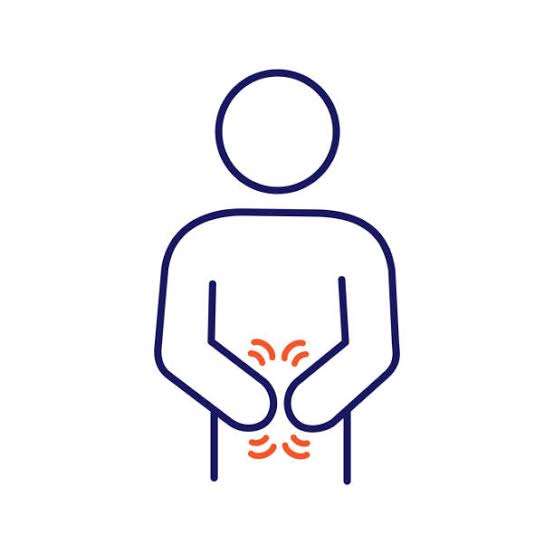
The thyroid gland plays a crucial role in regulating metabolism through hormone production. Disorders such as hypothyroidism or hyperthyroidism can have widespread effects on overall health if untreated.
- Symptoms : Fatigue , weight fluctuations , mood changes , hair loss , muscle weakness , sleep disturbances .
- Causes : Includes autoimmune diseases (e.g., Graves' disease), iodine deficiency , certain medications , radiation therapy .
- Diagnosis : Blood tests measuring Thyroid Stimulating Hormone (TSH) levels among others help confirm diagnosis .
- Treatment options : Medication plays a key role; those with underactive thyroid may require synthetic hormones while others might need antithyroid medications . Lifestyle changes also assist in managing symptoms effectively .
- What to expect : Monitoring thyroid function will likely continue throughout treatment ; achieving hormone balance leads towards better energy levels & stability in weight .
Proactive treatment ensures patients maintain healthier lives despite thyroid conditions impacting daily functions .
CHOLESTEROL MANAGEMENT
Elevated cholesterol levels can increase the risk of cardiovascular diseases. Regular screening helps identify those at risk early on which allows for timely intervention in managing cholesterol effectively.
- Symptoms: High cholesterol typically does not present obvious symptoms but can lead to conditions like heart disease without warning signs until it's advanced.
- Causes: Factors contributing include poor diet high in saturated fats and trans fats, lack of exercise, smoking habits, and genetic predisposition from family history of hyperlipidemia.
ASTHMA
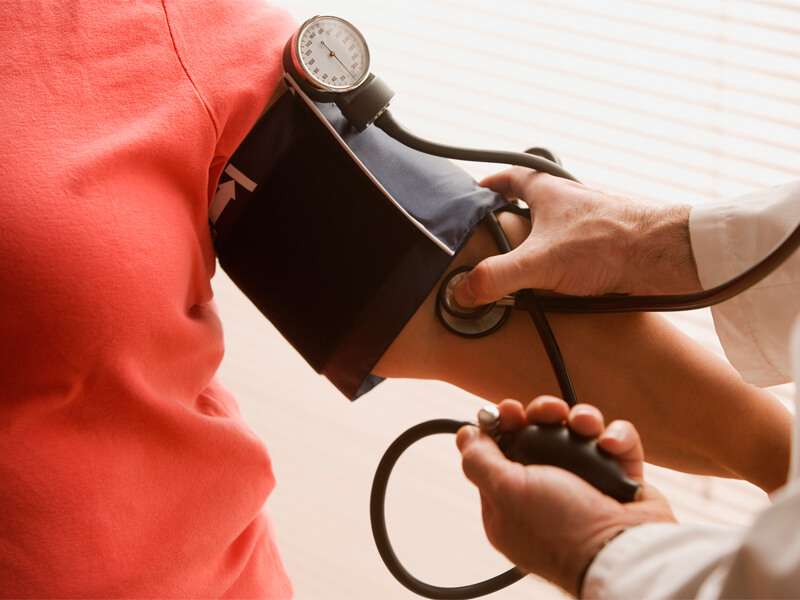
Asthma is a chronic respiratory condition characterized by inflammation of the airways leading to difficulty breathing. Understanding asthma triggers and symptoms helps in effective management to minimize attacks.
- Symptoms: Common signs include wheezing, shortness of breath, chest tightness, and persistent cough especially at night or early morning.
- Causes: Triggers vary widely but often include allergens such as dust mites or pollen, respiratory infections, physical activity, or cold air exposure.
- Diagnosis: Healthcare providers conduct lung function tests along with a patient history for accurate diagnosis of asthma severity.
- Treatment options: Inhalers are commonly used for relief; preventive medications may also be necessary based on severity. Avoiding known triggers remains crucial in management strategies.
- What to expect: Patients should regularly monitor their symptoms and medication use under guidance to maintain good control over their asthma while preventing severe episodes.
A comprehensive asthma action plan can significantly improve quality of life through tailored interventions aimed at symptom management.
DIABETES MANAGEMENT

Diabetes is a chronic condition that affects how the body processes glucose. It can lead to serious complications if not managed timely. Understanding this condition is vital for effective long-term control.
- Symptoms: Frequent urination, increased thirst, fatigue, blurred vision, and slow healing of wounds are common indicators of diabetes.
- Causes: Type 1 diabetes often has a genetic component while Type 2 diabetes is frequently associated with lifestyle factors like obesity and inactivity.
- Diagnosis: Blood tests measure glucose levels; an A1C test can indicate average levels over the past three months.
- Treatment options: Management includes dietary changes, regular exercise, monitoring blood sugar levels, and potentially insulin therapy or oral medications as required.
- What to expect: Diabetes requires lifelong management. With committed lifestyle choices and regular check-ups, individuals can lead full lives while managing their condition effectively.
A supportive approach ensures optimal outcomes in diabetes care through education and proactive health measures.
HYPERTENSION
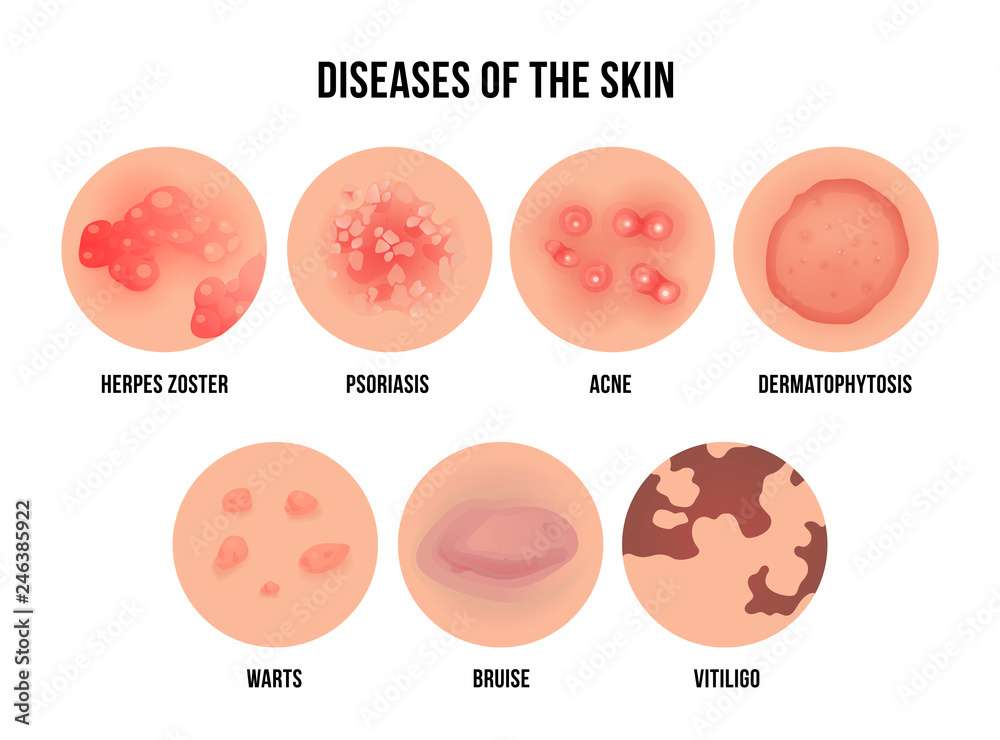
Hypertension, or high blood pressure, is a common condition that can lead to severe health issues if left unchecked. It often develops over many years and is typically asymptomatic initially. Regular monitoring is crucial for prevention and management.
- Symptoms: Many individuals may not experience any noticeable symptoms; however, some may report headaches or dizziness.
- Causes: Risk factors include obesity, lack of physical activity, smoking, excessive salt intake, and family history.
- Diagnosis: Blood pressure is measured using a sphygmomanometer, and additional tests may be conducted to assess overall heart health.
- Treatment options: Lifestyle changes are recommended first, such as diet modifications and increased exercise; medications may be prescribed if necessary.
- What to expect: Ongoing monitoring is essential. Patients are encouraged to make lifestyle adjustments and adhere to any prescribed medication for optimal management.
With proper care and lifestyle adaptations, hypertension can be effectively controlled, reducing the risk of heart disease and stroke.