
Dr Suresh Chandra
About Me
Dr Suresh Chandra
MS
Orthopaedic Surgeons
10 Years Experience
Biography
My Clinic
OPD Hours
| Monday | Morning | 10:00 AM | - | 02:00 PM |
| Evening | 06:00 PM | - | 09:00 PM | |
| Tuesday | Morning | 10:00 AM | - | 02:00 PM |
| Evening | 06:00 PM | - | 09:00 PM | |
| Wednesday | Morning | 10:00 AM | - | 02:00 PM |
| Evening | 06:00 PM | - | 09:00 PM | |
| Thursday | Morning | 10:00 AM | - | 02:00 PM |
| Evening | 06:00 PM | - | 09:00 PM | |
| Friday | Morning | 10:00 AM | - | 02:00 PM |
| Evening | 06:00 PM | - | 09:00 PM | |
| Saturday | Morning | 10:00 AM | - | 02:00 PM |
| Evening | 06:00 PM | - | 09:00 PM | |
| Sunday | Morning | 10:00 AM | - | 02:00 PM |
| Evening | 06:00 PM | - | 09:00 PM |
Treatments
Specialised care and treatments offered
ANKLE STABILIZATION SURGERY
Ankle stabilization surgery is indicated for patients who suffer recurrent ankle sprains or instability due specifically to ligament injuries. The objective here is restoring normal ankle function while preventing future injuries effectively through surgical intervention if conservative measures fail completely over time!
CARPAL TUNNEL RELEASE
This outpatient surgical procedure aims at relieving pressure on the median nerve by cutting through the transverse carpal ligament. It's essential for those contending with carpal tunnel syndrome which causes numbness and tingling in the hand and fingers due to nerve compression.
SPINAL FUSION SURGERY

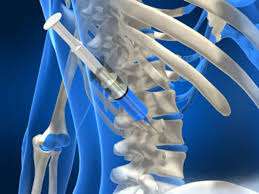
This complex procedure involves joining two or more vertebrae together to eliminate painful movement. It’s commonly performed on patients suffering from chronic back pain due to degenerative discs or spinal instability.
- Persistent symptoms may manifest as severe back pain radiating into the legs or arms depending on affected nerve roots.
- A comprehensive diagnosis includes assessing medical history alongside diagnostic imaging such as CT scans or MRIs for precise evaluation of the spine's condition.
- Surgical treatment usually incorporates various techniques including bone grafting combined with instrumentation like screws or rods for stabilization.
The goal post-surgery is not only relief from discomfort but also restoration of functionality enabling patients to engage actively in daily routines once again.
HIP REPLACEMENT SURGERY

This surgical intervention is aimed at replacing deteriorated hip joints with artificial implants, effectively alleviating severe pain and improving mobility. It is particularly beneficial for individuals suffering from osteoarthritis or other degenerative conditions.
- Common symptoms include chronic hip pain, stiffness, and difficulty walking or climbing stairs.
- A thorough diagnosis includes medical evaluations, imaging tests like X-rays, and assessing overall joint function.
- Surgical options involve removing the damaged bone and cartilage before inserting a prosthetic hip joint tailored to fit each patient’s anatomy.
- Pain management post-surgery often combines medication with guided rehabilitation exercises aimed at restoring strength and range of motion.
This procedure frequently leads to noticeable improvements in quality of life, allowing patients to return to their favorite activities without limitations.
ROTATOR CUFF REPAIR

A rotator cuff tear is a common injury that affects shoulder mobility. This crucial group of tendons helps maintain arm stability and strength.
- Symptoms often include shoulder pain, weakness when lifting objects, and restricted range of motion.
- The condition can be identified through physical exams and advanced imaging techniques such as ultrasound or MRI.
- Treatment may involve surgical procedures to reattach torn tendons or repair damaged tissue.
- Recovery typically includes physical therapy for rehabilitation and restoring shoulder function over time.
Successful surgery can lead to significant improvements in daily activities without the burden of discomfort.
KNEE ARTHROSCOPY

Knee arthroscopy is a minimally invasive surgical procedure used to diagnose and treat various knee conditions. This technique employs small incisions and a camera to enhance visualization within the joint.
- Symptoms may include persistent knee pain, swelling, and limited mobility.
- Diagnosis often involves physical examinations combined with imaging tests like MRI or X-rays.
- Treatment options can range from cartilage repair to the removal of loose body fragments.
- Patients can expect a shorter recovery time compared to traditional open surgery generally.
This procedure not only aids in healing but significantly improves quality of life by restoring function.