
Dr Suresh G Vijan
About Me
Dr Suresh G Vijan
Cardiologist
Biography
My Clinic
OPD Hours
| Tuesday | Morning | 10:00 AM | - | 02:00 PM |
| Evening | 06:00 PM | - | 09:00 PM | |
| Wednesday | Morning | 10:00 AM | - | 02:00 PM |
| Evening | 06:00 PM | - | 09:00 PM | |
| Thursday | Morning | 10:00 AM | - | 02:00 PM |
| Evening | 06:00 PM | - | 09:00 PM | |
| Friday | Morning | 10:00 AM | - | 02:00 PM |
| Evening | 06:00 PM | - | 09:00 PM | |
| Saturday | Morning | 10:00 AM | - | 02:00 PM |
| Evening | 06:00 PM | - | 09:00 PM | |
| Sunday | Morning | 10:00 AM | - | 02:00 PM |
| Evening | 06:00 PM | - | 09:00 PM | |
| Thursday | Morning | 10:00 AM | - | 02:00 PM |
| Evening | 06:00 PM | - | 09:00 PM |
Treatments
Specialised care and treatments offered
PERIPHERAL ARTERY DISEASE

This circulatory condition affects blood vessels outside the heart. Peripheral artery disease (PAD) primarily impacts arteries supplying blood to limbs but can also affect other areas like the brain.
- < [ { 'data':' Symptoms:(typically include leg pain during activities which eases at rest.), < eq1_summary: .* {'and'} blockages around important areas decrease overall function.'}, 'Conditions Causing this Chronic Issue' itself has several factors including smoking history,' diabetes mellitus,' raised cholesterol levels.'} Diagnosis Often involves non-invasive testing methods such as Doppler ultrasound imaging & their findings guide potential treatment approaches;-Management Strategies To improve circulation could include lifestyle adjustments alongside pharmacological agents.'}
VALVULAR HEART DISEASE
This condition occurs when one or more valves in the heart do not function properly. It disrupts normal blood flow within the heart chambers and into circulation.
- Symptoms: Individuals may experience fatigue, shortness of breath during activities, or swelling in the feet/ankles due to fluid buildup.
- Causes: Common causes include congenital valve defects or damage from prior infections like rheumatic fever.
?there content shorter than 74 words so it reads better on small screens.
HEART FAILURE
This chronic condition signifies that the heart cannot pump efficiently enough to meet the body's needs. It can affect individuals across all age groups but is more prevalent among older adults.
- Symptoms: Symptoms include fatigue, swollen legs or ankles due to fluid retention, and persistent cough or wheezing associated with fluid buildup in lungs.
- High blood pressure
- Coronary artery disease
- Previous heart attack
- Echocardiograms are frequently used for assessment
- Additional imaging may be warranted based on symptoms
- Medications such as ACE inhibitors and beta-blockers
- Lifestyle changes focusing on diet and exercise
Patients often find that working closely with healthcare professionals leads to better management strategies.
ATRIAL FIBRILLATION
Atrial fibrillation (AFib) is an irregular heartbeat that can lead to various cardiovascular complications if left untreated. It affects the upper chambers of the heart.
- Symptoms: Patients might notice palpitations, dizziness, or even fainting episodes in some cases.
- Causes: Contributing factors include previous heart conditions, high blood pressure, excessive alcohol use, or thyroid disorders.
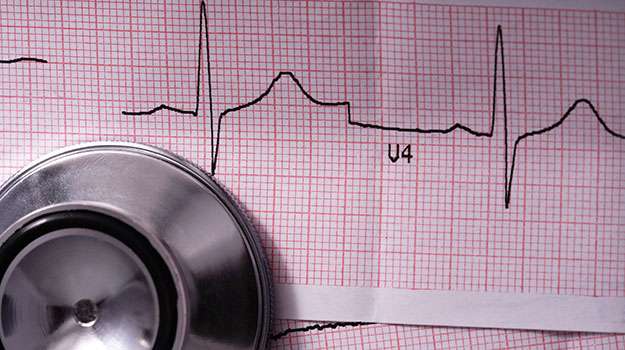
- Diagnosis: The condition is often diagnosed through an electrocardiogram (ECG) which records the heart's electrical activity.
- Treatment Options: Management might involve anticoagulants for stroke prevention as well as various medications or procedures to restore normal rhythm.
If managed carefully under professional guidance, patients with atrial fibrillation can maintain an active lifestyle while minimizing risks associated with this condition.
CORONARY ARTERY DISEASE
This condition occurs when the coronary arteries become narrowed due to plaque buildup. It is a leading cause of heart issues globally.
- Symptoms: Common symptoms include chest pain (angina), fatigue, and shortness of breath during exertion.
- Causes: Major risk factors include high cholesterol levels, smoking, diabetes, and a sedentary lifestyle.
- Diagnosis: Doctors may perform stress tests or angiograms to evaluate blood flow in the heart.
- Treatment: Options range from lifestyle modifications to medication management and possibly surgical interventions like angioplasty or bypass surgery.
- What to Expect: Early detection is key; timely treatment can greatly improve quality of life and reduce complications.
A proactive approach can lead to better outcomes for those affected by this disease.
HYPERTENSION
Hypertension, often referred to as high blood pressure, is a common condition that affects millions of individuals worldwide. It can lead to serious health complications if not managed effectively.
- Symptoms: Many people may not experience noticeable symptoms, but headaches, shortness of breath, and nosebleeds can occur in severe cases.
- Causes: Factors contributing to hypertension include genetics, poor diet, lack of physical activity, obesity, and excessive alcohol consumption.
- Diagnosis: Blood pressure readings are typically measured using a sphygmomanometer during routine examinations.
- Treatment: Management options may include lifestyle changes such as improved diet and increased physical activity, along with medications like diuretics or ACE inhibitors.
- Expectations: Regular monitoring and adherence to prescribed treatments can help manage blood pressure and reduce the risk of heart disease.
With proper management, many individuals with hypertension can live healthy lives without significant limitations.