
Dr Suresh K Bhagat
About Me
Dr Suresh K Bhagat
Urologists
Biography
My Clinic
OPD Hours
| Tuesday | Morning | 10:00 AM | - | 02:00 PM |
| Evening | 06:00 PM | - | 09:00 PM | |
| Wednesday | Morning | 10:00 AM | - | 02:00 PM |
| Evening | 06:00 PM | - | 09:00 PM | |
| Thursday | Morning | 10:00 AM | - | 02:00 PM |
| Evening | 06:00 PM | - | 09:00 PM | |
| Friday | Morning | 10:00 AM | - | 02:00 PM |
| Evening | 06:00 PM | - | 09:00 PM | |
| Saturday | Morning | 10:00 AM | - | 02:00 PM |
| Evening | 06:00 PM | - | 09:00 PM | |
| Sunday | Morning | 10:00 AM | - | 02:00 PM |
| Evening | 06:00 PM | - | 09:00 PM | |
| Thursday | Morning | 10:00 AM | - | 02:00 PM |
| Evening | 06:00 PM | - | 09:00 PM |
Treatments
Specialised care and treatments offered
OVERACTIVE BLADDER
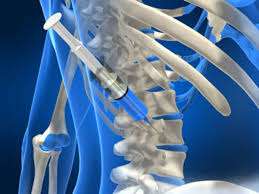
An overactive bladder (OAB) is characterized by a sudden urge to urinate frequently which may lead to involuntary leakage of urine. It's a prevalent issue among older adults but can also affect younger individuals due to various causes including neurological disorders!
- Symptoms generally include sudden urges accompanied by increased frequency throughout day/night hours causing distressing interruptions whenever possible.
- Diagnosis typically employs voiding diaries reflecting patterns alongside urodynamic tests analyzing bladder pressures for deeper insights into functionality!
- Management approaches range from behavioral modifications focusing on fluid intake timetable coupled with pelvic muscle training aiming towards strengthening control pathways related directly affecting normal urination functions respectively!
- Expectations involve consistent follow-ups ensuring tailor-made adjustment assessments made rapidly improving response mechanisms eventually stabilizing situations experienced previously causing frustration moments daily basis so fulfilling lives beautifully again!
A proactive strategy targeting OAB guarantees readiness against unexpected episodes enhancing quality-of-life markedly henceforth leading positively prolonged satisfaction achievable thereby fostering healthy rhythms harmoniously integrating fully holistic lifestyles!
ERECTILE DYSFUNCTION

Erectile dysfunction (ED) is the inability to achieve or maintain an erection adequate for sexual intercourse. It affects men of all ages but becomes more common with advancing age due to various health factors.
- This condition's causes are diverse ranging from psychological factors like anxiety to physiological issues including cardiovascular disease or diabetes that impair blood flow.
- An accurate diagnosis begins with a detailed medical history followed by physical examination assessing relevant health parameters that contribute to ED risks thereafter blood tests might be recommended too.
- Treatment options are plenty; they may involve oral medications known as PDE5 inhibitors, lifestyle changes promoting overall well-being or counseling therapies addressing psychological components of ED.
- Patients should understand that addressing underlying conditions combined with direct ED treatments often leads toward successful outcomes.
Comprehensive care provides not only immediate solutions but encourages overall sexual health restoration.
PROSTATITIS

Prostatitis refers to the inflammation of the prostate gland which may be caused by infection or other inflammatory conditions. This condition can result in pain and urinary difficulties across various age groups.
- Main symptoms include pelvic pain, painful urination, fever chills if infected, and discomfort during ejaculation.
- A thorough diagnosis includes a physical exam focused on prostate evaluation along with urine tests to determine if an infection is present.
- Treatment varies depending on type; antibiotic therapy is common for bacterial prostatitis while chronic forms may require pain relief methods and lifestyle adjustments such as stress management techniques.
- Coping strategies such as heat therapy or pelvic floor exercises may also help patients find relief from chronic symptoms over time.
A knowledgeable approach towards prostatitis offers hope for symptom relief and better management practices moving forward.
KIDNEY STONES

Kidney stones are hard mineral deposits that form in the kidneys and can cause severe pain when they move through the urinary tract. These stones vary in size and composition and affect individuals differently.
- The primary symptoms include intense pain in the back or side, blood in urine, nausea, or frequent urination during acute episodes.
- Diagnosis often requires imaging studies like X-rays or ultrasounds along with laboratory tests to determine stone composition.
- Treatment typically focuses on pain management during an episode; smaller stones may pass without intervention while larger ones might require procedures such as lithotripsy or surgery.
- Pursuing preventive measures after recovery is crucial as kidney stones tend to recur; this includes dietary modifications and increased hydration levels.
Understanding kidney stones is essential for effective management and prevention strategies for future occurrences.
URINARY INCONTINENCE

Urinary incontinence is a common condition characterized by the involuntary loss of urine. It can occur at any age but is particularly prevalent among older adults and women following childbirth.
- The causes of urinary incontinence can include weakened pelvic muscles, nerve damage, or certain medications.
- Diagnosing this condition usually involves a thorough patient history, bladder diary analysis, and potentially urodynamic testing to evaluate bladder function.
- Treatment may consist of pelvic floor exercises, behavioral techniques, medications for overactive bladder symptoms, or surgical options for more severe cases.
- Patients can anticipate personalized care with regular check-ins to adjust their treatment plans based on progress and comfort levels.
A comprehensive approach to managing urinary incontinence can restore confidence and improve daily living activities.
BENIGN PROSTATIC HYPERPLASIA (BPH)

Benign Prostatic Hyperplasia, commonly known as BPH, is a non-cancerous enlargement of the prostate gland that often occurs as men age. This condition can lead to significant urinary problems due to pressure on the urethra.
- Symptoms may include frequent urination, especially at night, weak urine stream, and difficulty starting or stopping urination.
- Diagnosis typically involves a physical examination, medical history review, and possibly urine tests or ultrasound imaging.
- Treatment options range from lifestyle changes to medications that help relieve symptoms. In more severe cases, surgical intervention might be necessary.
- Patients can expect ongoing monitoring and follow-up appointments to assess the effectiveness of treatment and manage any potential complications.
Managing BPH effectively can significantly improve quality of life and urinary function for those affected.