
Dr Suresh Kumar G
About Me
Dr Suresh Kumar G
MBBS
General Physician
10 Years Experience
Biography
My Clinic
OPD Hours
| Monday | Morning | 10:00 AM | - | 02:00 PM |
| Evening | 06:00 PM | - | 09:00 PM | |
| Tuesday | Morning | 10:00 AM | - | 02:00 PM |
| Evening | 06:00 PM | - | 09:00 PM | |
| Wednesday | Morning | 10:00 AM | - | 02:00 PM |
| Evening | 06:00 PM | - | 09:00 PM | |
| Thursday | Morning | 10:00 AM | - | 02:00 PM |
| Evening | 06:00 PM | - | 09:00 PM | |
| Friday | Morning | 10:00 AM | - | 02:00 PM |
| Evening | 06:00 PM | - | 09:00 PM | |
| Saturday | Morning | 10:00 AM | - | 02:00 PM |
| Evening | 06:00 PM | - | 09:00 PM | |
| Sunday | Morning | 10:00 AM | - | 02:00 PM |
| Evening | 06:00 PM | - | 09:00 PM |
Treatments
Specialised care and treatments offered
ALLERGY MANAGEMENT
Allergies occur when the immune system reacts abnormally to certain substances. Managing allergies begins with understanding allergens involved to minimize exposure efficiently during day-to-day activities!
- The most common sensitivity symptoms, such as sneezing or rashes depend on allergens—common culprits include pollen, dust mites, pet dander etc.!
- Cuts across different diagnostic tools direct healthcare providers toward identifying specific allergies using skin tests or blood assessments respectively! %
THYROID DISORDERS

Thyroid disorders refer to abnormal functioning of the thyroid gland which can result in either excessive or insufficient hormone production. Proper diagnosis and management are crucial for overall health maintenance.
- The primary symptoms might include fatigue, weight changes, temperature sensitivity, and mood fluctuations depending on whether it’s hypothyroidism or hyperthyroidism.
- A simple blood test measuring TSH (thyroid-stimulating hormone) can accurately diagnose these disorders quite efficiently.
- Treatment usually includes hormone replacement therapy for hypothyroidism or medication aimed at controlling hormone production for hyperthyroidism patients.
Lifelong monitoring ensures effective treatment adaptation regarding changing needs over time associated with thyroid functioning stability.
ASTHMA MANAGEMENT
Asthma is a common respiratory condition that results in narrowed airways and difficulty breathing. It’s essential for patients to understand their triggers for effective management of this chronic illness.
- The most typical spectrum of symptoms includes wheezing, coughing, chest tightness, and shortness of breath.
- A thorough clinical evaluation including lung function tests determines the severity of asthma in an individual patient.
- Treatments focus on avoiding triggers alongside using inhalers or other prescribed medications for symptom control during exacerbations.
- Regular reviews help ensure optimal asthma control and minimize flare-ups associated with this condition.
Mild cases often require limited intervention; however, comprehensive management remains vital for all asthmatic patients as they navigate daily life challenges related to this condition.
CHOLESTEROL MANAGEMENT
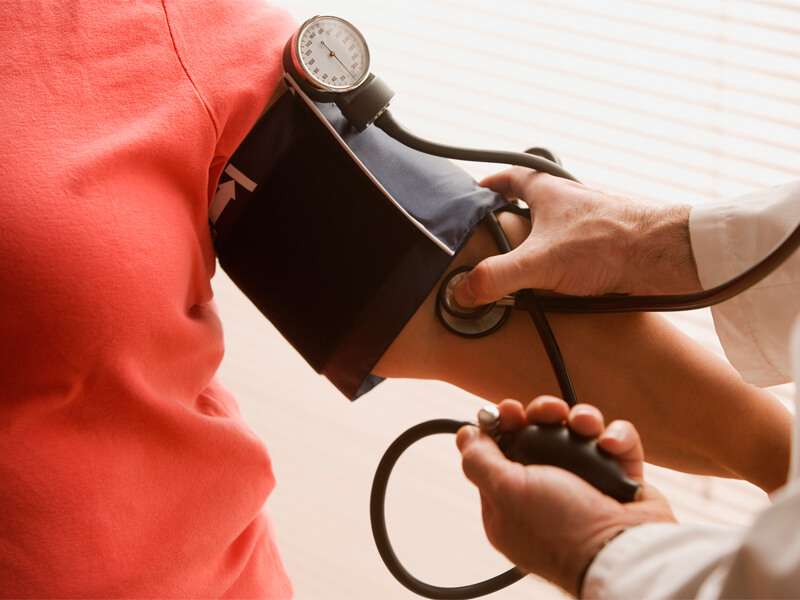
High cholesterol levels can significantly increase the risk of heart disease. It's crucial to monitor lipid profiles regularly to ensure that cholesterol remains within a safe range.
- The main symptoms are often absent; however, it may lead to severe health issues like heart attacks if unchecked.
- A lipid panel test helps diagnose cholesterol levels in the bloodstream by measuring LDL (bad) cholesterol and HDL (good) cholesterol.
- Treatment typically includes dietary changes, physical activity enhancements, and medication such as statins if necessary.
- An individualized care plan can help lower cholesterol levels effectively and safely.
A proactive approach toward managing cholesterol can significantly improve cardiovascular health over time.
DIABETES MELLITUS

Diabetes Mellitus is a metabolic disorder characterized by high blood sugar levels due to insulin resistance or insufficient insulin production. This condition requires ongoing management to maintain normal glucose levels and prevent complications.
- Common symptoms include increased thirst, frequent urination, fatigue, and blurred vision.
- A diagnosis can be made through fasting blood sugar tests or an oral glucose tolerance test.
- Treatment may involve lifestyle modifications such as diet and exercise along with medications like metformin or insulin therapy as needed.
- Continuous monitoring of blood glucose levels plays a key role in managing diabetes effectively.
With timely intervention and regular check-ups, individuals can lead healthy lives while managing this condition.
HYPERTENSION
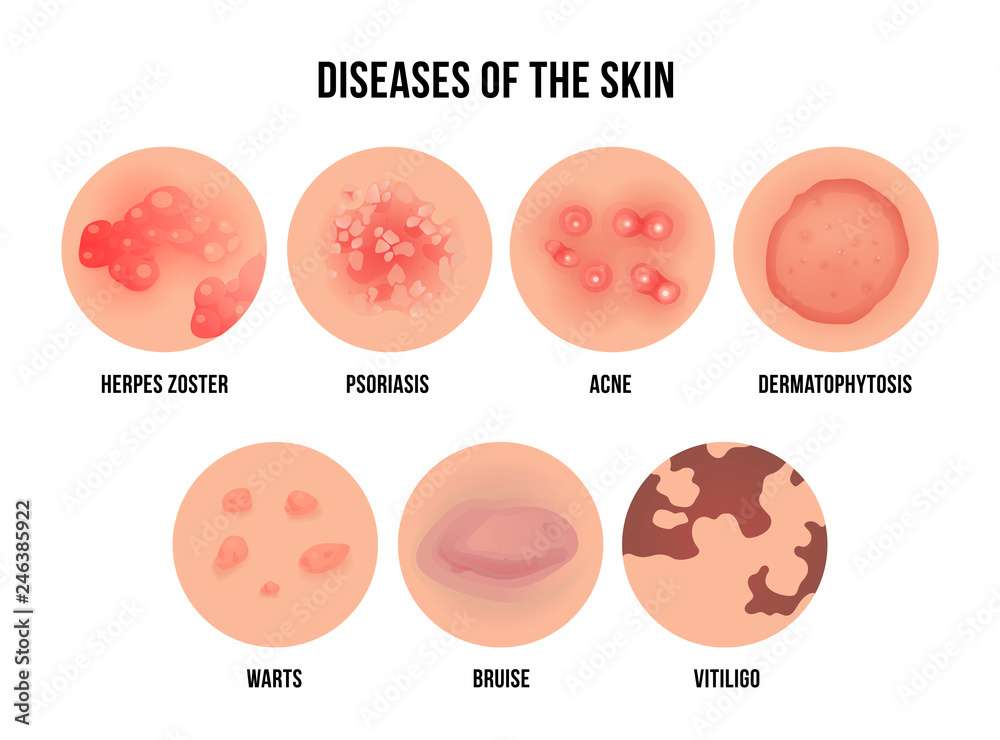
Hypertension, or high blood pressure, is a chronic condition that affects many individuals. It occurs when the force of the blood against the artery walls is consistently too high, leading to various health complications.
- Symptoms may include headaches, shortness of breath, and nosebleeds, but often there are no noticeable signs.
- Diagnosis is typically conducted through blood pressure readings over multiple visits or with home monitoring devices.
- Treatment options include lifestyle changes such as diet and exercise, along with medications like diuretics or ACE inhibitors.
- Regular follow-up appointments are crucial to managing this condition effectively.
Managing hypertension is essential for preventing serious cardiovascular diseases and ensuring a better quality of life.