
Dr Suresh Kumar S
About Me
Dr Suresh Kumar S
MBBS
General Physician
10 Years Experience
Biography
My Clinic
OPD Hours
| Monday | Morning | 10:00 AM | - | 02:00 PM |
| Evening | 06:00 PM | - | 09:00 PM | |
| Tuesday | Morning | 10:00 AM | - | 02:00 PM |
| Evening | 06:00 PM | - | 09:00 PM | |
| Wednesday | Morning | 10:00 AM | - | 02:00 PM |
| Evening | 06:00 PM | - | 09:00 PM | |
| Thursday | Morning | 10:00 AM | - | 02:00 PM |
| Evening | 06:00 PM | - | 09:00 PM | |
| Friday | Morning | 10:00 AM | - | 02:00 PM |
| Evening | 06:00 PM | - | 09:00 PM | |
| Saturday | Morning | 10:00 AM | - | 02:00 PM |
| Evening | 06:00 PM | - | 09:00 PM | |
| Sunday | Morning | 10:00 AM | - | 02:00 PM |
| Evening | 06:00 PM | - | 09:00 PM |
Treatments
Specialised care and treatments offered
ANNUAL PHYSICAL EXAMS

An annual physical exam is an essential component of preventive healthcare. These routine check-ups help monitor overall health status while allowing early detection of potential health issues before they evolve into more significant concerns.
- Purpose: Routine exams aim to evaluate overall health metrics including weight, blood pressure, cholesterol levels, and organ function through laboratory tests. Lifestyle Assessment: Includes discussions about diet, exercise habits, mental health status along with substance use risks
CHRONIC PAIN MANAGEMENT

The management of chronic pain involves addressing ongoing discomfort that persists beyond normal healing time. Conditions causing chronic pain can stem from various sources including arthritis or past injuries. Effective management requires a comprehensive approach tailored to each patient's needs.
- Causative Factors: Chronic pain may result from underlying conditions such as fibromyalgia or neuropathy alongside physical factors like previous injuries or surgeries.
- Differential Diagnosis: A thorough assessment is performed which may include imaging studies and nerve function evaluations to determine the root cause of pain.
- Treatment Plans: Medications such as NSAIDs might be prescribed alongside physical therapy options aimed at improving mobility and reducing pain levels.
A holistic strategy involving both medication and therapeutic interventions is key to enhancing quality of life for individuals suffering from chronic pain conditions.
RESPIRATORY INFECTIONS
Respiratory infections encompass a wide range of illnesses affecting the lungs and airways. Common examples include pneumonia, bronchitis, and influenza. These infections can vary in severity from mild colds to more serious conditions requiring immediate care.
- Symptoms: Patients often report coughing, shortness of breath, fever, and chest discomfort as common indications of respiratory infections.
- Diagnosis: Healthcare providers typically conduct physical examinations along with chest X-rays or sputum tests for a definitive diagnosis.
- Treatment Options: Depending on the infection type, treatments may include antibiotics for bacterial infections or antiviral medications for viral infections along with supportive care such as hydration and rest.
Timely recognition and treatment are crucial in managing respiratory infections effectively to prevent further complications such as chronic lung diseases.
DIABETES SCREENING

Screening for diabetes is an essential process that helps identify individuals at risk for this chronic condition. Early detection through screening can lead to better management and outcomes for those affected.
- Symptoms: Common signs of diabetes include increased thirst, frequent urination, fatigue, and blurred vision.
- Diagnosis: Glucose testing or HbA1c tests are typically used to assess blood sugar levels.
- Treatment: Management strategies range from lifestyle modifications to insulin therapy depending on the type of diabetes diagnosed.
- Follow-Up: Regular follow-up appointments are crucial for monitoring blood sugar levels and adjusting treatment plans based on the patient’s needs.
A proactive approach to diabetes screening can significantly improve quality of life and prevent complications associated with high blood sugar levels.
HYPERTENSION MANAGEMENT

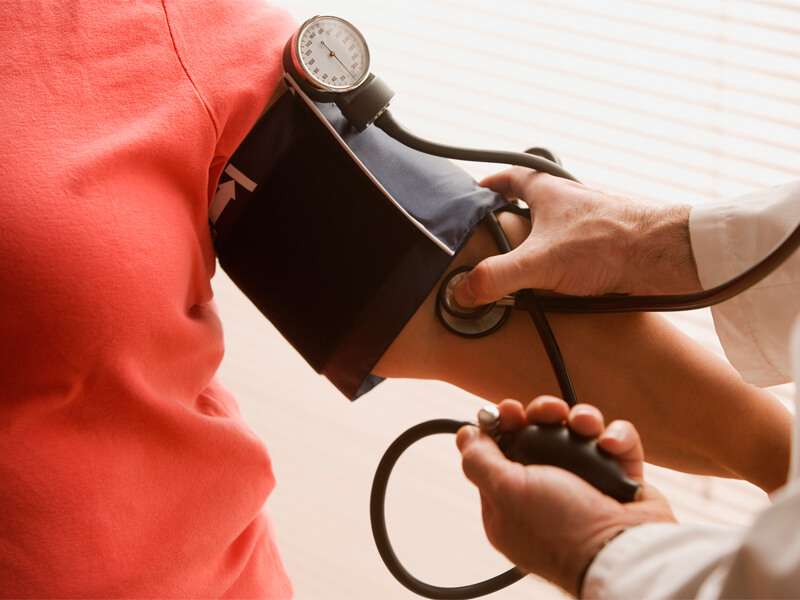
Hypertension, or high blood pressure, is a prevalent condition that can lead to serious health issues if not effectively managed. It often develops over many years and may not show any symptoms until significant complications arise.
- Symptoms: Many individuals with hypertension experience no apparent symptoms, making regular monitoring crucial.
- Diagnosis: Blood pressure readings are taken during a medical visit, and additional tests may be conducted to rule out other conditions.
- Treatment Options: Lifestyle changes such as diet and exercise, as well as medications like diuretics or ACE inhibitors, are commonly recommended.
- Management: Continuous monitoring and routine check-ups are essential to adjust treatment plans as necessary.
Understanding and managing hypertension is vital for reducing the risk of heart disease, stroke, and other serious complications.