
Dr Suresh Purohit
About Me
Dr Suresh Purohit
Anesthesiologist
Biography
My Clinic
OPD Hours
| Tuesday | Morning | 10:00 AM | - | 02:00 PM |
| Evening | 06:00 PM | - | 09:00 PM | |
| Wednesday | Morning | 10:00 AM | - | 02:00 PM |
| Evening | 06:00 PM | - | 09:00 PM | |
| Thursday | Morning | 10:00 AM | - | 02:00 PM |
| Evening | 06:00 PM | - | 09:00 PM | |
| Friday | Morning | 10:00 AM | - | 02:00 PM |
| Evening | 06:00 PM | - | 09:00 PM | |
| Saturday | Morning | 10:00 AM | - | 02:00 PM |
| Evening | 06:00 PM | - | 09:00 PM | |
| Sunday | Morning | 10:00 AM | - | 02:00 PM |
| Evening | 06:00 PM | - | 09:00 PM | |
| Thursday | Morning | 10:00 AM | - | 02:00 PM |
| Evening | 06:00 PM | - | 09:00 PM |
Treatments
Specialised care and treatments offered
MONITORED ANESTHESIA CARE (MAC)
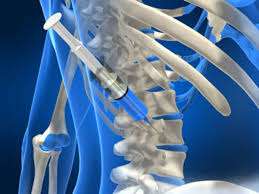
This approach entails delivering a combination of local anesthetic coupled with sedatives under strict observation. MAC is beneficial for outpatient surgical scenarios that necessitate some level of patient consciousness yet minimal discomfort during minor surgical interventions.
- Indications: Preferred for flexible scopes like colonoscopies or various aesthetic procedures allowing optimal patient cooperation.
- Administering process: Continuous intravenous medications keep patients calm while local numbing agents manage localized pain effectively.
- Expected outcomes: Quick recovery times await those who undergo MAC along with high satisfaction rates noted amongst participants post-procedure regardless procedural type!
This innovative method provides an ideal balance between comfort, cooperation, efficiency continuing transforming outpatient landscape thanks notably its instrumental role thus far!
NEURAXIAL ANESTHESIA

This technique involves administering anesthetic agents into the spinal canal or around nerve roots. Neuraxial anesthesia is particularly effective in managing pain during childbirth as well as certain types of surgeries in the abdominal region or lower limbs.
- Indications: Commonly indicated for cesarean sections or procedures involving lower body regions that require profound analgesia without full unconsciousness.
- Administering technique: Techniques include epidural or spinal blocks which allow targeted numbness while minimizing systemic effects.
- Benefits: Enhanced recovery with reduced opioid use post-surgery leading towards faster mobilization.
Neuraxial techniques carry less risk compared to general approaches while providing excellent pain control outcomes across several settings ensuring patient comfort throughout surgery.
PEDIATRIC ANESTHESIA

Anesthesia techniques in children require special considerations due to their unique physiological needs. Pediatric anesthesia aims to ensure a safe experience tailored specifically for younger patients undergoing various surgical procedures.
- Dosing adjustments: Medications are meticulously calculated based on weight and health status to ensure optimal safety
- Anxiety reduction techniques: Strategies are employed preoperatively to ease fears among young patients about surgery
The priority remains ensuring that pediatric patients receive effective yet gentle anesthetic care tailored just for them
SEDATION FOR ENDOSCOPY

Sedation during endoscopic procedures allows patients to remain relaxed and comfortable while doctors examine internal organs. This method provides both comfort and safety throughout the procedure.
- Sedation levels: Depending on the procedure's complexity, varying levels of sedation can be administered—from mild sedation, where patients remain awake but relaxed, to deeper sedation where they may not remember the procedure at all.
- Adequate monitoring: Continuous monitoring ensures patient safety regarding heart rate, oxygen levels, and responsiveness during the procedure.
- Pain relief options: Additional analgesics may be offered alongside sedatives to enhance comfort if needed.
This sedation approach is designed to facilitate essential diagnostic procedures while minimizing discomfort and anxiety associated with them
REGIONAL ANESTHESIA

This technique involves injecting anesthetic near a cluster of nerves to block sensation in a specific area of the body. It's commonly used for procedures on the lower extremities or abdomen.
- Benefits: Regional anesthesia often leads to faster recovery times and less pain post-surgery compared to general anesthesia.
- Candidates: Ideal for patients who may have contraindications for general anesthesia or prefer less sedation.
- Procedure overview: Guided by ultrasound or nerve stimulation, an anesthesiologist carefully administers the anesthetic.
- Pain management: Long-acting anesthetics can provide significant relief after surgery, reducing reliance on narcotics.
This approach can significantly enhance patient comfort and satisfaction during surgical procedures while minimizing systemic drug exposure.
GENERAL ANESTHESIA

General anesthesia is a medically induced state of unconsciousness that allows for pain-free surgeries and procedures. During this process, patients are carefully monitored to ensure their vital signs remain stable and they are comfortable.
- Purpose: It is used for major surgeries where local anesthesia alone would be insufficient.
- Symptoms of anesthesia awareness: Patients may experience confusion, anxiety, or discomfort during the procedure if not sufficiently sedated.
- Diagnosis: Pre-anesthetic assessments are conducted to understand the patient’s medical history and risks involved.
- Treatment options: An anesthesiologist customizes the medication based on individual factors, including age and health status.
- Post-operative care: Patients are monitored in recovery for any side effects such as nausea or grogginess.
This form of anesthesia is crucial for ensuring a painless experience during surgery, allowing patients to return to their normal activities as quickly as possible.