
Dr Suruchi Desai
About Me
Dr Suruchi Desai
General Physician
Biography
My Clinic
OPD Hours
| Tuesday | Morning | 10:00 AM | - | 02:00 PM |
| Evening | 06:00 PM | - | 09:00 PM | |
| Wednesday | Morning | 10:00 AM | - | 02:00 PM |
| Evening | 06:00 PM | - | 09:00 PM | |
| Thursday | Morning | 10:00 AM | - | 02:00 PM |
| Evening | 06:00 PM | - | 09:00 PM | |
| Friday | Morning | 10:00 AM | - | 02:00 PM |
| Evening | 06:00 PM | - | 09:00 PM | |
| Saturday | Morning | 10:00 AM | - | 02:00 PM |
| Evening | 06:00 PM | - | 09:00 PM | |
| Sunday | Morning | 10:00 AM | - | 02:00 PM |
| Evening | 06:00 PM | - | 09:00 PM | |
| Thursday | Morning | 10:00 AM | - | 02:00 PM |
| Evening | 06:00 PM | - | 09:00 PM |
Treatments
Specialised care and treatments offered
RESPIRATORY INFECTIONS
A respiratory infection affects parts of respiratory tract—primarily lungs/nasal passages—but can vary widely in severity from mild cold-like symptoms up toward more burdensome cases requiring thorough medical attention!
GASTROENTERITIS

This inflammation of the stomach lining is often caused by viral infections leading to diarrhea and vomiting which disrupts daily life significantly if not dealt with promptly. Understanding gastroenteritis is essential for recovery!
- Symptoms: These include abdominal cramps along with watery diarrhea that may lead quickly toward dehydration if untreated alongside fever sometimes present also.
- Causes: Gastroenteritis can arise from contaminated food/water sources hence making it highly infectious particularly in communal settings.
- Diagnosis: Providers usually assess symptoms reported plus possible contact within outbreak scenarios; lab testing isn't standard unless there are complications suspected.
- Treatment options: Most cases resolve naturally but hydration through oral rehydration solutions aids recovery timing—severe instances might require hospitalization if dehydration persists.
- What expect: Full recovery generally occurs within days depending largely upon individual circumstances especially around electrolyte balance being restored swiftly post-illness onset.
Inevitably careful hygiene practices subsequently become critical alongside ensuring safe food handling steps taken regularly help prevent future occurrences! Consultations readily available should questions arise concerning ongoing concerns post-recovery!
ALLERGIC REACTIONS
An allergic reaction occurs when the immune system reacts abnormally to a foreign substance (allergen) such as pollen, pet dander, certain foods or medications. Understanding this condition is vital for effective management.
- Symptoms: Reactions can vary from mild symptoms like hives and itching to severe symptoms like swelling or difficulty breathing in cases of anaphylaxis.
- Causes: Common allergens include nuts, shellfish, latex products, insect stings and certain medications.
- Diagnosis: Diagnosis typically involves reviewing medical history along with allergy testing either through skin tests or specific IgE tests conducted by healthcare professionals.
- Treatment options: Management includes avoiding known allergens; antihistamines are prescribed for mild reactions while severe cases may require emergency interventions like epinephrine injections.
- What to expect: Many people successfully manage allergies just by avoiding triggers; however some may need ongoing treatment depending on severity.
Early identification allows individuals at risk for severe reactions an opportunity for timely intervention when needed. Consulting with a healthcare professional improves safety measures significantly regarding allergies.
DIABETES MELLITUS
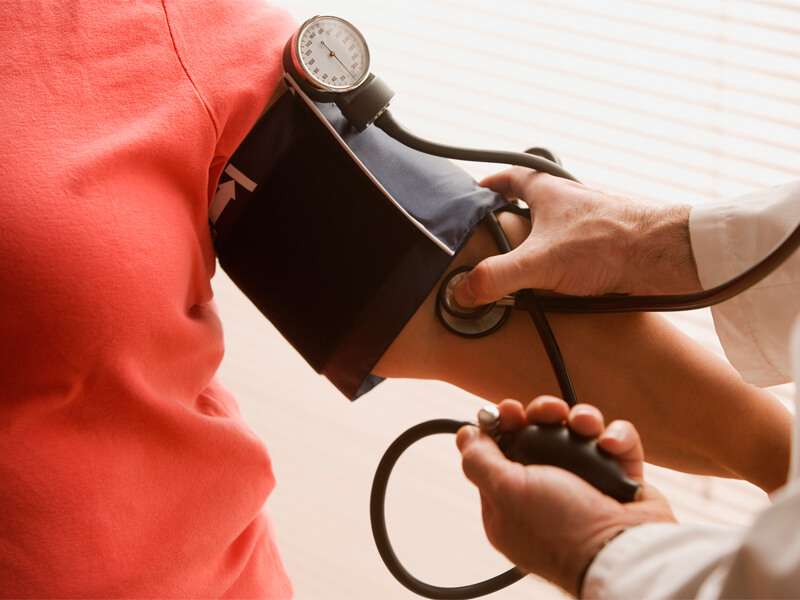
This chronic condition occurs when the body either doesn’t produce enough insulin or cannot use insulin effectively. Diabetes management is crucial for maintaining health.
- Symptoms: Individuals might experience excessive thirst, frequent urination, extreme fatigue, and blurry vision.
- Causes: Type 1 diabetes has an autoimmune origin while Type 2 results from lifestyle factors such as obesity and inactivity.
- Diagnosis: A healthcare provider will conduct fasting glucose tests or an HbA1c test to determine average blood sugar levels over the past few months.
- Treatment options: Treatment strategies include insulin therapy for Type 1 patients while Type 2 may be managed through lifestyle changes and medications including metformin.
- What to expect: Ongoing monitoring of blood glucose levels is essential; adjustments in diet and medication could be necessary over time based on individual needs.
A comprehensive treatment plan can enhance quality of life significantly for those living with diabetes. Regular follow-ups are crucial for effective management
ANEMIA
Anemia is a condition characterized by a lack of healthy red blood cells or hemoglobin in the blood. This leads to reduced oxygen flow to the body's organs and tissues.
- Symptoms: Common signs include fatigue, weakness, pale skin, dizziness, or irregular heartbeats.
- Causes: Anemia can result from nutritional deficiencies (like iron or vitamin B12), chronic diseases, or bone marrow disorders.
- Diagnosis: Blood tests identify anemia through hemoglobin levels and other indicators like hematocrit and red cell counts.
- Treatment options: Depending on the cause, treatment may involve dietary supplements, lifestyle changes, or managing underlying conditions that contribute to anemia.
- What to expect: Response to treatment varies; follow-up testing is important to ensure hemoglobin levels return to normal range.
Taking proactive steps can help manage anemia effectively and improve overall health outcomes for affected individuals.
HYPERTENSION
Hypertension, commonly known as high blood pressure, is a condition where the force of blood against the artery walls is consistently too high. It can lead to serious health issues if not managed properly.
- Symptoms: Often referred to as a silent killer, hypertension may present with headaches, shortness of breath, or nosebleeds.
- Causes: Factors contributing to high blood pressure include obesity, lack of physical activity, excessive sodium intake, and genetic predisposition.
- Diagnosis: A healthcare provider typically measures blood pressure using a sphygmomanometer; multiple readings may be required for an accurate assessment.
- Treatment options: Management includes lifestyle modifications like diet and exercise as well as medications such as diuretics or ACE inhibitors.
- What to expect: Regular monitoring is essential to assess control, and adjustments in treatment may be necessary based on individual response.
Addressing hypertension early on can significantly reduce the risk of heart disease and strokes. Regular check-ups are recommended for optimal management.