
Dr Sushil Chandra
About Me
Dr Sushil Chandra
MS
Orthopaedic Surgeons
10 Years Experience
Biography
My Clinic
OPD Hours
| Monday | Morning | 10:00 AM | - | 02:00 PM |
| Evening | 06:00 PM | - | 09:00 PM | |
| Tuesday | Morning | 10:00 AM | - | 02:00 PM |
| Evening | 06:00 PM | - | 09:00 PM | |
| Wednesday | Morning | 10:00 AM | - | 02:00 PM |
| Evening | 06:00 PM | - | 09:00 PM | |
| Thursday | Morning | 10:00 AM | - | 02:00 PM |
| Evening | 06:00 PM | - | 09:00 PM | |
| Friday | Morning | 10:00 AM | - | 02:00 PM |
| Evening | 06:00 PM | - | 09:00 PM | |
| Saturday | Morning | 10:00 AM | - | 02:00 PM |
| Evening | 06:00 PM | - | 09:00 PM | |
| Sunday | Morning | 10:00 AM | - | 02:00 PM |
| Evening | 06:00 PM | - | 09:00 PM |
Treatments
Specialised care and treatments offered
KNEE OSTEOCHONDRITIS DISSECANS
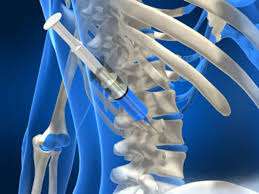
Knee osteochondritis dissecans involves the separation of a small piece of cartilage along with underlying bone due to disrupted blood supply. It’s most prevalent among adolescents during growth spurts but can affect adults too.
- Commonly observed symptoms consist of knee pains exacerbated by activity coupled with swelling around joints; mechanical symptoms such as locking sensations might also arise.
- To establish accurate diagnoses targeting this issue entails detailed physical evaluations together with MRI findings confirming damage extent across cartilage areas impacted respectively,< br />
- Early stages emphasize less invasive approaches including activity modifications alongside physiotherapy focusing on restoring strength within lower extremities before pursuing surgical options should conservative measures remain insufficient ;< br />
Understanding knee osteochondritis helps ensure timely assessments leading towards strategic care decisions ultimately easing discomfort associated!
PLANTAR FASCIITIS
This common foot condition arises from inflammation of the plantar fascia—the thick band connecting your heel bone to your toes—often triggered by excessive exercise or improper footwear choices.
- The primary s symptom includes sharp heel pain when taking the first steps in the morning or after prolonged sitting periods.
- A comprehensive assessment combining patient’s medical history with physical examination helps identify potential risk factors influencing plantar fasciitis presentation.
- Treatment usually starts with conservative methods like stretching exercises, custom orthotics usage for footwear support towards alleviating strain on affected tissue.
Persistent symptoms might lead doctors into considering corticosteroid injections for symptomatic relief while also recognizing that prompt evaluation plays a significant role in achieving lasting results against plantar fasciitis challenges!
HERNIATED DISC

A herniated disc occurs when the gel-like center of a spinal disc protrudes through a tear in its tougher exterior. This condition can lead to back pain and nerve-related symptoms depending on its location.
- Common symptoms are localized back pain which may radiate down limbs (sciatica) if nerves are compressed. Tingling or numbness may also occur.
- Disease diagnosis generally involves physical examinations along with MRI scans that reveal disc herniation's extent and impact on surrounding structures.
- Treatment options encompass conservative management like physical therapy or medications; however, severe cases may necessitate surgical interventions such as discectomy or spinal fusion if non-responsive to therapies.
An informed approach regarding herniated discs can significantly enhance recovery prospects while alleviating discomfort associated with this common spinal disorder.
TENNIS ELBOW

Tennis elbow is an overuse injury characterized by inflammation of the elbow tendons due to repetitive motions. It commonly affects individuals involved in activities requiring extensive wrist movement.
- The main symptom experienced is pain along the outer part of the elbow that radiates down the forearm.
- A thorough clinical examination alongside imaging tests may help confirm the diagnosis by ruling out other conditions.
- This condition is typically managed with non-surgical methods such as rest, anti-inflammatory medications, braces, or physical therapy focused on stretching and strengthening exercises.
- Surgery may be considered only if symptoms persist despite extensive treatment efforts over several months.
If you experience persistent elbow pain similar to tennis elbow symptoms, consulting with an orthopaedic specialist can provide tailored solutions for recovery.
ROTATOR CUFF TEAR

A rotator cuff tear occurs when one or more of the four tendons in the shoulder are damaged. This injury often results from repetitive overhead activities or aging.
- Key symptoms include shoulder pain, weakness during arm movements, and difficulty reaching overhead.
- Diagnosis is made through a combination of patient history, physical examinations, and imaging studies such as MRI to visualize tendon integrity.
- Treatment options may range from conservative approaches like rest and physiotherapy to surgical repair for full tears if non-surgical methods fail.
- Recovery often includes a structured rehabilitation program aimed at restoring strength and mobility in the shoulder joint.
A proper understanding of rotator cuff tears enables patients to seek timely intervention for better outcomes.
OSTEOARTHRITIS

Osteoarthritis is a degenerative joint disease that primarily affects the cartilage, resulting in pain and stiffness. This condition can significantly impact mobility and quality of life.
- Symptoms include joint pain, swelling, and reduced range of motion, particularly after activity.
- Diagnosing osteoarthritis typically involves a physical examination, medical history review, and imaging tests like X-rays to assess joint changes.
- Treatment options may include lifestyle modifications, physical therapy, medications for pain relief, and in severe cases, surgical interventions such as joint replacement.
- Patients can expect a progressive management plan tailored to their needs, focusing on improving function and minimizing discomfort.
Understanding osteoarthritis is crucial for effective management. With appropriate care strategies, individuals can lead active lives despite this condition.