
Dr Sushil Km Sh
About Me
Dr Sushil Km Sh
MS
Orthopaedic Surgeons
10 Years Experience
Biography
My Clinic
OPD Hours
| Monday | Morning | 10:00 AM | - | 02:00 PM |
| Evening | 06:00 PM | - | 09:00 PM | |
| Tuesday | Morning | 10:00 AM | - | 02:00 PM |
| Evening | 06:00 PM | - | 09:00 PM | |
| Wednesday | Morning | 10:00 AM | - | 02:00 PM |
| Evening | 06:00 PM | - | 09:00 PM | |
| Thursday | Morning | 10:00 AM | - | 02:00 PM |
| Evening | 06:00 PM | - | 09:00 PM | |
| Friday | Morning | 10:00 AM | - | 02:00 PM |
| Evening | 06:00 PM | - | 09:00 PM | |
| Saturday | Morning | 10:00 AM | - | 02:00 PM |
| Evening | 06:00 PM | - | 09:00 PM | |
| Sunday | Morning | 10:00 AM | - | 02:00 PM |
| Evening | 06:00 PM | - | 09:00 PM |
Treatments
Specialised care and treatments offered
CARPAL TUNNEL RELEASE SURGERY
This surgery relieves pressure on the median nerve located in the wrist caused by carpal tunnel syndrome. It’s typically considered when non-surgical options fail to provide relief from symptoms affecting hand functionality.
Your information has been kept confidential- Symptoms: Tingling sensations, numbness in fingers especially at night hours coinciding with profound fatigue when gripping objects become common indicators prompting evaluation from specialists experienced treating nerve compression syndromes/ disorders across orthopaedic disciplines/span>. < br /> < span style="padding-left :0px;"> < b class=' ' ' data-qa='low_priority'> < span :style='color:red;'>
;< ;
Assessments typically include clinical evaluations alongside images confirming anatomical abnormalities detected during examinations before administering corrective measures accordingly pertaining solely towards managing discomfort manifestations experienced throughout day-to-day living arrangements. Trend debugging extensions. --- :
HIP RESURFACING

Hip resurfacing is an alternative option for hip replacement that involves placing a metal cap over the damaged femoral head rather than removing it. This technique preserves more bone compared to total hip replacements and is often favored among younger patients with active lifestyles suffering from hip arthritis:
- Symptoms : Patients may complain of progressive hip pain during weight-bearing activities along with stiffness after periods of rest.
- Diagnosis : A comprehensive evaluation utilizing state-of-the-art imaging techniques assists surgeons in formulating treatment plans tailored specifically for individuals’ conditions.
- Treatment Options : Initial management strategies might include physical therapy interventions; however; resurfacing becomes necessary when conservative methods fail.
- What To Expect : Rehabilitation post-procedure often requires extended periods focused on regaining strength while ensuring adequate adaptations towards normal biomechanics.
By opting for this intervention instead of complete replacement; patients frequently enjoy enhanced levels' longevity when considering mobility improvement factors over prolonged durations
.ANKLE STABILIZATION SURGERY

Ankle stabilization surgery is performed when an individual experiences recurrent ankle sprains or instability due to ligament damage. The procedure aims to restore stability by repairing or reconstructing damaged ligaments around the ankle joint.
- Symptoms: Common signs include frequent ankle rolling, swelling after activity, and difficulty walking on uneven surfaces without discomfort.
- Diagnosis: Evaluation includes a detailed clinical history along with stress tests and imaging studies like X-rays or MRIs to ascertain ligament status.
- Treatment Options: Non-invasive treatments may encompass bracing and physical therapy; however, surgical intervention might be necessary for long-term recovery in severe cases.
- What to Expect: Post-operative care typically involves immobilization followed by gradual introduction of movement exercises under supervision for optimal healing outcomes.
This surgical intervention significantly enhances functional ability in those plagued by chronic ankle instability scenarios.
SPINAL FUSION SURGERY

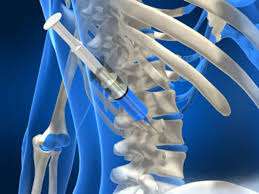
This type of surgery aims to permanently connect two or more vertebrae in the spine. It's usually indicated for patients experiencing severe back pain due to conditions such as herniated discs or degenerative disc disease.
- Symptoms: Symptoms often include persistent back pain that may radiate into limbs, along with numbness or weakness.
- Diagnosis: An orthopedic surgeon utilizes imaging tests such as X-rays and MRIs to assess spinal alignment and integrity before deciding on surgical intervention.
- Treatment Options: Besides surgery, conservative options like physical therapy, medications, or injections may be considered based on individual needs.
- What to Expect: Recovery times vary but usually involve several weeks of limited activity followed by rehabilitation exercises aimed at improving mobility and strength post-surgery.
The primary objective is reducing pain while promoting spinal stability for improved function in daily life activities.
SHOULDER ARTHROSCOPY

Shoulder arthroscopy is a minimally invasive surgical technique used to diagnose and treat various shoulder disorders. It involves inserting a small camera into the shoulder joint, allowing the surgeon to visualize and address issues without large incisions.
- Symptoms: Patients may suffer from persistent shoulder pain, limited movement, or instability.
- Diagnosis: Diagnostic imaging like MRI or CT scans is often utilized alongside physical examinations to identify underlying problems.
- Treatment Options: Conditions such as rotator cuff tears or impingement syndrome are treated through arthroscopic repair techniques with quicker recovery times than traditional surgery.
- What to Expect: After surgery, a structured rehabilitation plan helps restore range of motion and strengthen the shoulder muscles.
The goal of this procedure is to alleviate pain while minimizing recovery time compared to open surgeries.
TOTAL KNEE REPLACEMENT

Total knee replacement is a surgical procedure that replaces damaged or worn surfaces of the knee joint with artificial components. This treatment is often recommended for patients suffering from severe arthritis or knee injuries that cause significant pain and limit mobility.
- Symptoms: Patients commonly experience chronic pain, stiffness, swelling, and reduced range of motion.
- Diagnosis: A thorough examination including X-rays and MRI scans helps determine the extent of damage to the knee joint.
- Treatment Options: Non-surgical approaches may include medications, physical therapy, or injections. Surgical options involve partial or total knee replacement.
- What to Expect: Post-surgery, patients typically follow a rehabilitation program that includes physical therapy to regain strength and improve movement.
This procedure can significantly enhance quality of life by alleviating pain and restoring function in the affected knee.