
Dr Sushil Kumar
About Me
Dr Sushil Kumar
MS
Orthopaedic Surgeons
10 Years Experience
Biography
My Clinic
OPD Hours
| Monday | Morning | 10:00 AM | - | 02:00 PM |
| Evening | 06:00 PM | - | 09:00 PM | |
| Tuesday | Morning | 10:00 AM | - | 02:00 PM |
| Evening | 06:00 PM | - | 09:00 PM | |
| Wednesday | Morning | 10:00 AM | - | 02:00 PM |
| Evening | 06:00 PM | - | 09:00 PM | |
| Thursday | Morning | 10:00 AM | - | 02:00 PM |
| Evening | 06:00 PM | - | 09:00 PM | |
| Friday | Morning | 10:00 AM | - | 02:00 PM |
| Evening | 06:00 PM | - | 09:00 PM | |
| Saturday | Morning | 10:00 AM | - | 02:00 PM |
| Evening | 06:00 PM | - | 09:00 PM | |
| Sunday | Morning | 10:00 AM | - | 02:00 PM |
| Evening | 06:00 PM | - | 09:00 PM |
Treatments
Specialised care and treatments offered
SPINAL DISC HERNIATION TREATMENT
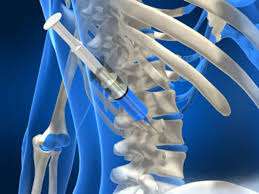
A herniated disc occurs when soft inner gel-like material protrudes through the outer layer of spinal discs causing nerve irritation. This results in back pain radiating into limbs known as radiculopathy depending on location along cervical or lumbar spine segments affected.
- Main symptoms & causes: These include localized back pain accompanied by numbness, tingling sensations or muscle weakness often triggered by lifting heavy objects incorrectly or degenerative changes with age.
- Evolving diagnosis steps: Magnetic Resonance Imaging (MRI) remains gold standard enabling visualization of disc pathology alongside neurological assessment identifying nerve compression severity.
FRACTURE FIXATION SURGERY
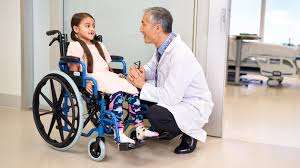
Bones broken from trauma require precise alignment for proper healing. Surgical fixation uses implants like plates, screws or rods to stabilize fractures facilitating early mobilization and reducing complications.
- Description/symptoms: Fractures cause pain, swelling deformity or loss of function at the injury site following falls or accidents.
- Diagnosis process:
ROTATOR CUFF TEAR REPAIR

The rotator cuff comprises muscles and tendons that stabilize the shoulder joint. Tears can cause significant pain and limit arm movement. Treatment depends on injury severity and patient activity levels.
- Symptoms/causes: Common signs include shoulder weakness, persistent aching pain worsening at night or with overhead activities; tears often result from trauma or degenerative wear in older adults.
- Diagnosis: Clinical tests supplemented by MRI scans evaluate the size and extent of tendon damage accurately.
- Treatment/management: Small tears may be treated conservatively using physical therapy and anti-inflammatory medications; larger or complete tears often need surgical repair either arthroscopically or via open techniques.
- Recovery expectations: Rehabilitation focuses on restoring strength gradually over weeks to months to regain full shoulder function post-surgery or conservative treatment.
A tailored approach ensures optimal recovery tailored to individual patient needs for rotator cuff injuries.
PEDIATRIC CLUBFOOT CORRECTION

Clubfoot is a congenital deformity causing one or both feet to turn inward and downward. Early intervention is essential for optimal functional outcomes in affected infants.
- Symptoms/causes: Visible foot deformity at birth with limited foot mobility; the exact cause involves genetic and environmental factors affecting musculoskeletal development in utero.
- Diagnosis: Primarily clinical based on physical examination at birth; ultrasound or X-rays may assist in complex cases.
- Treatment/management: The Ponseti method involving gentle manipulation and serial casting is the gold standard initial treatment. Some cases may require minor surgery after casting.
- Prognosis: With timely correction efforts started soon after birth, many children achieve good foot function allowing normal walking patterns as they grow.
Pediatric clubfoot treatments are highly successful when implemented early with consistent follow-up care.
OSTEOARTHRITIS MANAGEMENT

Osteoarthritis is a chronic condition characterized by the gradual breakdown of joint cartilage, predominantly affecting older adults. It commonly impacts weight-bearing joints like the knees and hips.
- Symptoms/causes: Symptoms include joint pain, stiffness especially after inactivity, swelling, and decreased range of motion due to cartilage degeneration.
- Diagnosis: Clinical evaluation paired with X-rays can reveal joint space narrowing and bone changes typical of osteoarthritis.
- Treatment/management: Conservative management includes weight management, physical therapy, pain relief medications, and lifestyle modifications to reduce stress on joints.
- Surgical options: For advanced cases unresponsive to conservative measures, procedures like joint replacement may be considered.
A personalized treatment plan focusing on symptom control can greatly enhance quality of life for osteoarthritis sufferers.
ANTERIOR CRUCIATE LIGAMENT (ACL) RECONSTRUCTION

The Anterior Cruciate Ligament (ACL) is crucial for stabilizing the knee during movement. Injuries to this ligament are common in athletes and active individuals, leading to instability and impaired function.
- Symptoms/causes: A sudden twisting motion or direct impact often causes ACL tears, presenting with pain, swelling, and a feeling of the knee giving way.
- Diagnosis: Physical examination techniques such as the Lachman test, along with MRI imaging, help confirm the extent of ligament damage.
- Treatment/management: Partial tears might be managed conservatively with physiotherapy, but complete tears usually require surgical reconstruction using grafts from tendons.
- Post-treatment expectations: Rehabilitation involves gradual weight-bearing and strengthening exercises over several months to restore knee stability and function.
Timely intervention combined with structured rehabilitation can significantly improve outcomes for those with ACL injuries.