
Dr Sushil Kumbhat
About Me
Dr Sushil Kumbhat
Cardiologist
Biography
My Clinic
OPD Hours
| Tuesday | Morning | 10:00 AM | - | 02:00 PM |
| Evening | 06:00 PM | - | 09:00 PM | |
| Wednesday | Morning | 10:00 AM | - | 02:00 PM |
| Evening | 06:00 PM | - | 09:00 PM | |
| Thursday | Morning | 10:00 AM | - | 02:00 PM |
| Evening | 06:00 PM | - | 09:00 PM | |
| Friday | Morning | 10:00 AM | - | 02:00 PM |
| Evening | 06:00 PM | - | 09:00 PM | |
| Saturday | Morning | 10:00 AM | - | 02:00 PM |
| Evening | 06:00 PM | - | 09:00 PM | |
| Sunday | Morning | 10:00 AM | - | 02:00 PM |
| Evening | 06:00 PM | - | 09:00 PM | |
| Thursday | Morning | 10:00 AM | - | 02:00 PM |
| Evening | 06:00 PM | - | 09:00 PM |
Treatments
Specialised care and treatments offered
CHOLESTEROL MANAGEMENT

Elevated cholesterol levels pose significant threats leading up towards cardiovascular problems over time unless managed appropriately through preventive measures taken earlier on into adulthood & beyond.
- Risk factors may include age related hormones influenced alongside genetic predisposition making routine screenings vital even without overt symptoms visible yet
- Common tests used would check total lipid profiles across several lipoprotein categories highlighting whether LDL ('bad' cholesterol) exceeds acceptable limits needing corrections initiated via diets tailored accordingly per patient choice preferences
- Medications prescribed frequently consist primarily statins helping achieve desired targets though regular follow ups assisting altering dosages always form integral aspect within treatment landscape developed personally around each patient's profile.
- Key points : Encouraging lifestyle changes coupled together ensures holistic improvement achieved collectively helping establish healthy habits enjoyed throughout entire lifespan
With effective oversight provided collaboratively addressing raised cholesterol concerns leads towards striking balance maintained against adverse developments impacting overall health generally observed across community living environments today!
VALVULAR HEART DISEASE
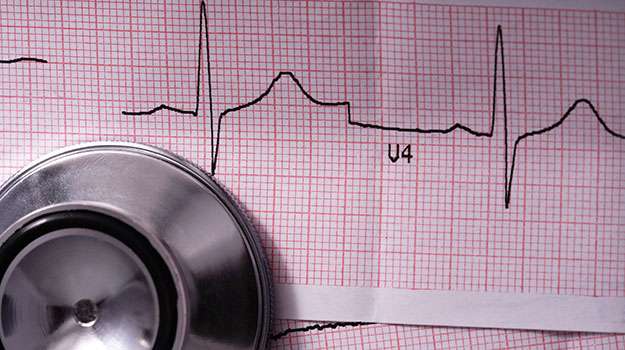
Valvular heart disease involves damage to one or more of the heart valves affecting their ability to open and close properly. This condition can be congenital (present at birth) or develop over time due to wear and tear associated with aging or other structural issues in the heart muscle itself.
- Symptoms often include shortness of breath during exertion, fatigue, and episodes of fainting especially during physical activity.
- Diagnosis typically involves echocardiography combined with advanced imaging techniques that allow visualization of valve functionality.
- Treatment can range from regular monitoring for minor issues without prior intervention needed at times - whereas severe deformities could necessitate surgical approaches including valve replacement operations.
- Routine follow-ups help ensure optimal management aligning closely with patient-specific needs & preferences moving forward
Timely intervention plays a key role in ensuring better outcomes & improved life expectancy following valvular abnormalities.
ATRIAL FIBRILLATION
Atrial fibrillation (AFib) is an irregular heartbeat that can lead to serious complications if left untreated. It's prevalent among older adults but can occur in younger populations due to various risk factors including stress and underlying health conditions.
HEART FAILURE
Heart failure occurs when the heart cannot pump sufficient blood to meet the body's needs. This chronic condition affects millions globally and can be caused by various underlying issues like previous heart attacks or high blood pressure.
- Common signs include fatigue, swelling in the legs or abdomen, and persistent cough or wheezing.
- The diagnosis often relies on physical examinations combined with tests like echocardiograms to assess heart function thoroughly.
- Treatments vary from lifestyle changes – including reduced salt intake – to medications aimed at improving heart efficiency. Advanced cases might require surgical interventions like valve repairs or implants.
- Regular monitoring allows for timely adjustments in treatment plans based on the individual’s response.
- A structured treatment strategy can help manage symptoms effectively while enhancing overall quality of life for those affected by heart failure.
Acting early with appropriate medical care can lead to better management outcomes for patients facing this complex health issue.
CORONARY ARTERY DISEASE
Coronary artery disease (CAD) occurs when the coronary arteries become narrowed or blocked due to plaque buildup. It's a leading cause of heart-related conditions worldwide.
- The primary symptom is angina, which is chest pain or discomfort that can spread to the shoulders, neck, back, jaw, or arms.
- Diagnosis often involves stress testing and imaging studies to assess blood flow in the coronary arteries.
- Treatment options include lifestyle adjustments like improved diet and exercise regimens, along with medications such as statins. In some cases, procedures like angioplasty may be necessary.
- Ongoing management focuses on reducing risk factors through smoking cessation and controlling diabetes if present.
- A comprehensive approach can enhance quality of life and improve outcomes significantly for individuals with CAD.
Pursuing a proactive strategy under medical guidance can effectively stabilize CAD and reduce further complications.
HYPERTENSION
Hypertension, or high blood pressure, is a common condition that affects individuals of all ages. It is often termed the 'silent killer' as it typically presents no symptoms until significant damage has occurred to the heart and blood vessels.
- Common symptoms include headaches, shortness of breath, and nosebleeds in severe cases.
- This condition is diagnosed through regular monitoring of blood pressure, sometimes supplemented by additional tests such as ECG or echocardiograms.
- Treatment options may involve lifestyle changes such as diet and exercise, alongside medications like diuretics, ACE inhibitors, or beta-blockers.
- Management typically includes routine follow-ups to monitor blood pressure readings and adjust medications accordingly.
- A well-managed hypertension plan can significantly decrease the risk of heart attack or stroke.
Early identification and management of hypertension are crucial in preventing serious cardiovascular problems. Regular check-ups are essential for maintaining heart health.