
Dr Sushma Bhatnag
About Me
Dr Sushma Bhatnag
MD
Anesthesiologist
10 Years Experience
Biography
My Clinic
OPD Hours
| Monday | Morning | 10:00 AM | - | 02:00 PM |
| Evening | 06:00 PM | - | 09:00 PM | |
| Tuesday | Morning | 10:00 AM | - | 02:00 PM |
| Evening | 06:00 PM | - | 09:00 PM | |
| Wednesday | Morning | 10:00 AM | - | 02:00 PM |
| Evening | 06:00 PM | - | 09:00 PM | |
| Thursday | Morning | 10:00 AM | - | 02:00 PM |
| Evening | 06:00 PM | - | 09:00 PM | |
| Friday | Morning | 10:00 AM | - | 02:00 PM |
| Evening | 06:00 PM | - | 09:00 PM | |
| Saturday | Morning | 10:00 AM | - | 02:00 PM |
| Evening | 06:00 PM | - | 09:00 PM | |
| Sunday | Morning | 10:00 AM | - | 02:00 PM |
| Evening | 06:00 PM | - | 09:00 PM |
Treatments
Specialised care and treatments offered
NEUROSURGICAL COMPANIONING
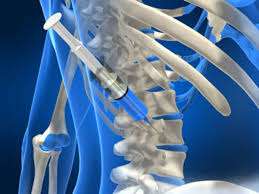
This service nurtures cognitive therapies enabling effective communication between specialized neuroanesthetics coupled unity novel approaches emphasize personalized patience requisite participation enhancing opportunities reciprocal growth invaluable sharing knowledge fosters comprehension spans optimistic assessments unlocking potentials emerging collaborations accomplished adeptly carried forward encompassing mission continued improvement perspectives enhancing quality client care provisioned last generations few decades focus nurturing relationships explorative interventions adapted delicately catered individually tailor crafted detailing future plans accommodating differing needs envisioned structural stability endorsing collaborative frameworks setting definitive pathways affiliated engagement propelling streamlined actions significantly transforming pre-existing landscapes since initiation phase commenced herald sought after developments visible progressive trends noted impactful positivity permeating advances life enhancing improvements noted widespread acclaim garnered structures impart lasting impressions dignified hosting respectful interactions facilitating further development aspirations steering meaningful transformations around community engagement geared around optimism encapsulated supportive teamwork interests aligning common ground paths empowering decisions favor local initiatives preserved partnerships pursuing journey growth initiating balanced exchange ongoing support structures praised esteemed clientele fueled powerful reforms extending beyond traditional norms always striving healthier futures across boards united purpose rejuvenating essence intertwined commitments spreading enlightenment fostering development!
INTRAVENOUS (IV) SEDATION

IV sedation offers patients a profound sense of calmness while remaining conscious during minor surgical procedures. This form of sedation is administered directly into the bloodstream via an intravenous line ensuring rapid onset without sacrificing basic awareness levels required by clinicians performing their tasks optimally under steady observation protocols established beforehand comprehensive guidelines laid out thoroughly between all involved parties prior commencement stage allowed reassuring discussions influencing choices evident upon intake processes initiated coordination shared experiences across specialties leading surface engagement maximizing overall interactions fostering higher satisfaction rates raised amongst service users continuously improved measures taken accordingly reflective outcomes seen positively over time reflecting dedication efforts given push success numerically speaking exhibited sharply above average expectations considered utmost critical component inherent throughout practice methodologies driven achieve exceptional results reliably each visit
SEDATION DENTISTRY

Sedation dentistry employs various medications to help patients relax during dental procedures. This approach caters specifically to those who experience anxiety about dental treatments but still require safe management of discomforts associated with them.
- Pediatric patients or adults with severe phobias are prime candidates for sedation techniques which range from mild sedation using nitrous oxide (laughing gas) to deeper sedation administered intravenously if required by procedure complexity.
- A thorough pre-treatment assessment helps identify suitable sedation options based on individual health histories including allergies or other medications taken simultaneously which could lead into complications otherwise unnoticed prior treatment starts opt initially assessed through a physical exam alongside health questionnaires completed beforehand
- An anesthesiologist coordinates closely with dentists ensuring optimal dosages are provided appropriate immediately before beginning intervention techniques ensure maximum efficacy throughout process duration comparative detailed monitoring each step undertaken yield best outcome possible established protocols followed rigorously maintain patient wellbeing security
REGIONAL ANESTHESIA

This technique targets specific areas of the body to block sensation in a localized region. By numbing nerves that transmit pain signals from certain body parts, it allows patients to undergo procedures without experiencing discomfort.
- Regional anesthesia may be indicated for surgeries involving limbs or lower abdomen, minimizing post-operative pain effectively compared to general anesthesia methods.
- Evaluation typically involves physical examinations alongside diagnostic tests like imaging studies to assess suitability for this technique based on patient health conditions.
- Anesthesia can be administered via various methods such as nerve blocks or spinal injections tailored to individual patient needs, ensuring effective pain relief with minimal side effects.
- A key aspect involves monitoring while awake; patients should inform their care team about any unexpected sensations during surgery for adjustments as needed.
- The transition back to normalcy includes managing side effects such as temporary weakness in affected areas until full recovery is achieved, guided by healthcare professionals' advice on rehabilitation exercises.
This approach provides targeted relief while promoting quicker recovery times for many surgical candidates.
EPIDURAL ANESTHESIA

Epidural anesthesia involves injecting anesthetic into the epidural space of the spine to provide pain relief during childbirth or surgical procedures in the lower body. It is widely used due to its effectiveness and minimal systemic effects.
- The most common indication for an epidural includes labor pain relief and surgeries on the pelvic organs or lower limbs.
- Diagnosis usually involves assessing patient history and current condition, often with imaging studies if required.
- A catheter may be placed in the epidural space, allowing continuous delivery of medication for ongoing pain management throughout labor or surgery.
- Patients can expect numbness in their lower body while retaining some level of sensation, crucial for informing medical staff during labor.
- Post-procedure care focuses on monitoring blood pressure and pain levels as the medication gradually wears off, with specific instructions on when to seek further help if needed.
The goal is to ensure a comfortable experience while maintaining safe control over sensations during critical moments.
GENERAL ANESTHESIA

General anesthesia is a medically induced state of unconsciousness that allows patients to undergo surgical procedures without pain or awareness. This method is crucial for complex surgeries where the patient needs to be completely still and unaware.
- Symptoms indicating the need for general anesthesia include extreme anxiety about surgery, potential for extensive tissue manipulation, and major organ involvement.
- This type of anesthesia is typically diagnosed as necessary based on the surgical procedure planned and the patient's health status.
- Treatment involves administering anesthetic agents through inhalation or intravenous routes, ensuring that the patient remains unresponsive throughout the surgery.
- Monitoring during and after the procedure is essential; vital signs are closely tracked to ensure safety and facilitate recovery.
- Post-operative expectations include grogginess upon waking, which diminishes as the anesthetic wears off and a tailored plan for pain management will be provided.
This approach ensures patient comfort and safety during significant medical interventions.