
Dr Swapna Wankhede
About Me
Dr Swapna Wankhede
MBBS
General Physician
8 Years Experience
Biography
My Clinic
OPD Hours
| Monday | Morning | 09:00 AM | ||
| Evening | 09:00 PM | |||
| Tuesday | Morning | 09:00 AM | ||
| Evening | 09:00 PM | |||
| Wednesday | Morning | 09:00 AM | ||
| Evening | 09:00 PM | |||
| Thursday | Morning | 09:00 AM | ||
| Evening | 09:00 PM | |||
| Friday | Morning | 09:00 AM | ||
| Evening | 09:00 PM | |||
| Saturday | Morning | 09:00 AM | ||
| Evening | 09:00 PM |
Treatments
Specialised care and treatments offered
GASTROESOPHAGEAL REFLUX DISEASE (GERD) MANAGEMENT
The discomfort from gastroesophageal reflux disease (GERD) occurs when stomach acid frequently flows back into the esophagus causing heartburn and irritation. Managing GERD is vital as it improves quality of life significantly.
- Symptoms: Typical experiences include frequent heartburn , regurgitation of food , difficulty swallowing along with chronic cough .
- Diagnosis: Evaluation usually combines symptom review alongside endoscopy procedures providing direct visualization .
- Treatment strategies: Lifestyle changes such as dietary modifications supported by proton pump inhibitors relief for acid reduction .
- Follow-up care: Close monitoring helps adjust therapies ensuring optimal management while also preventing further complications like esophagitis .
This comprehensive approach allows individuals suffering from GERD regain comfort while enjoying their meals once again without distressing effects lingering them constantly.
ALLERGY TESTING

If you experience unexplained allergic reactions such as sneezing, rashes, or swelling, allergy testing can provide clarity. Identifying allergens helps in managing symptoms effectively.
- Symptoms: Common reactions might include itchy eyes , nasal congestion , skin rashes , etc .
- Testing methods: Skin prick tests or blood tests can determine specific allergies based on reactions observed .
- Treatment options: Management typically includes avoidance strategies alongside antihistamines , corticosteroids , or allergy shots for severe cases .
- Newer therapies: Recent advancements allow desensitization through controlled exposure which may alleviate symptoms over time .
Understanding allergenic triggers empowers patients to navigate their environments more safely while minimizing discomfort.
ROUTINE HEALTH CHECK-UPS
A routine health check-up is essential for preventive care. Regular evaluations enable early detection of potential health issues before they become serious conditions.
- Purpose:The aim is to assess overall health status through various screenings tailored to individual risk factors such as age and family history.
- Screens included:Blood pressure measurements, cholesterol tests, diabetes screenings among others provide valuable insights into your health risks.
- Benefits: Early identification facilitates timely intervention which can significantly improve treatment outcomes.
- Frequency: Ideally scheduled annually or biannually based on personal health conditions.
Consistent check-ups promote awareness about one’s own health journey leading towards a proactive approach in healthcare management.
RESPIRATORY INFECTIONS TREATMENT
Respiratory infections encompass a variety of illnesses affecting the airways and lungs. They can be caused by viruses or bacteria and may require medical attention based on severity.
- Causes: Common cold, flu, pneumonia, or bronchitis are typical respiratory infections that may arise from viral infections or bacteria exposure.
- Symptoms: Symptoms often include cough, fever, shortness of breath, and chest pain depending on the severity of the infection.
- Diagnosis: Physical examination along with chest X-rays or sputum tests can help determine the type of infection present.
- Treatment options:Additional treatments could include rest, hydration, antiviral medications for viral infections, or antibiotics for bacterial cases when necessary.
A timely diagnosis aids in quicker recovery and helps mitigate severe complications regarding respiratory health.
DIABETES SCREENING

Diabetes is a chronic condition characterized by high blood sugar levels. Monitoring your glucose levels regularly can prevent serious complications associated with diabetes.
- Symptoms: Increased thirst, frequent urination, fatigue, and blurred vision are common signs that warrant screening.
- Diagnosis: Blood tests such as fasting glucose or A1C tests measure blood sugar levels to determine diabetes risk.
- Treatment: Management may involve lifestyle modifications including diet changes and increased physical activity; medications may also be prescribed if necessary.
- Monitoring: Routine monitoring helps adjust treatment plans effectively to maintain optimal glucose control.
- Outcome: Early intervention improves prognosis and reduces the risk of long-term complications like neuropathy or cardiovascular issues.
A proactive approach to diabetes screening ensures better control over your health journey.
HYPERTENSION MANAGEMENT
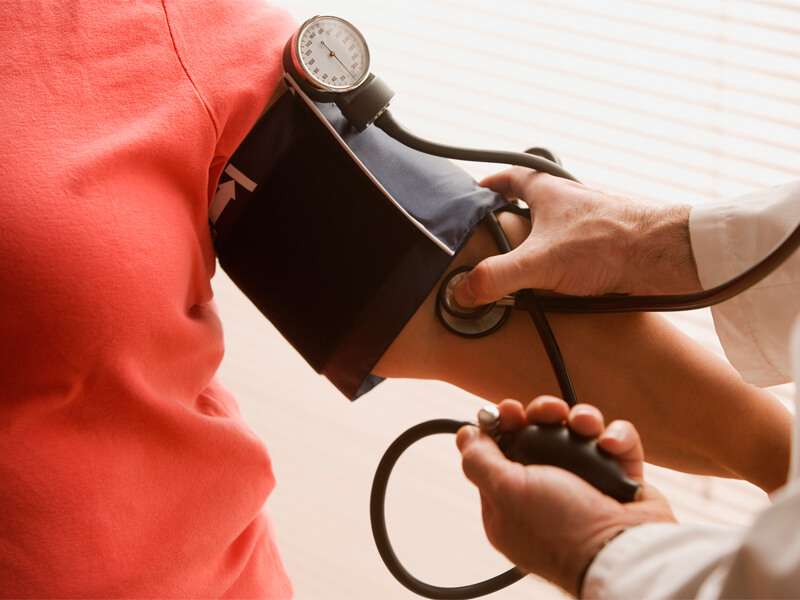
Hypertension, or high blood pressure, is a common condition that can lead to serious health issues if left unmanaged. It often presents no obvious symptoms initially, making regular monitoring crucial.
- Symptoms: While many people may not experience symptoms, some may have headaches, shortness of breath, or nosebleeds.
- Diagnosis: Blood pressure is measured using a sphygmomanometer; three readings taken at different times are recommended for accuracy.
- Treatment: Options include lifestyle changes such as diet and exercise, as well as medications like diuretics or ACE inhibitors.
- Management: Regular check-ups and monitoring at home help ensure blood pressure remains within a healthy range.
- Expectations: With proper management, individuals can maintain good health and reduce the risk of complications related to hypertension.
Early detection and appropriate management of hypertension are crucial in preventing heart disease and other serious health conditions.