
Dr Swapnil Sanghavi
About Me
Dr Swapnil Sanghavi
Dermatologist
Biography
My Clinic
OPD Hours
| Tuesday | Morning | 10:00 AM | - | 02:00 PM |
| Evening | 06:00 PM | - | 09:00 PM | |
| Wednesday | Morning | 10:00 AM | - | 02:00 PM |
| Evening | 06:00 PM | - | 09:00 PM | |
| Thursday | Morning | 10:00 AM | - | 02:00 PM |
| Evening | 06:00 PM | - | 09:00 PM | |
| Friday | Morning | 10:00 AM | - | 02:00 PM |
| Evening | 06:00 PM | - | 09:00 PM | |
| Saturday | Morning | 10:00 AM | - | 02:00 PM |
| Evening | 06:00 PM | - | 09:00 PM | |
| Sunday | Morning | 10:00 AM | - | 02:00 PM |
| Evening | 06:00 PM | - | 09:00 PM | |
| Thursday | Morning | 10:00 AM | - | 02:00 PM |
| Evening | 06:00 PM | - | 09:00 PM |
Treatments
Specialised care and treatments offered
ROSACEA
This chronic inflammatory condition primarily affects facial skin leading not just to redness but also the development of small pus-filled bumps. Rosacea tends to affect adults between 30-50 years old although it can occur across different demographics namely light-skinned individuals tend more inclined toward it than darker Complexions being prevalent amongst women comparatively more than men too seems contrary suggesting female presentation compared simpler male characteristics.<
It often requires careful monitoring as its effects manifest differently depending upon severity levels witnessed during phases among unique cases yielding varied responses upon initial evaluations carried out during consultations one might witness symptoms manifested resulting form triggers such exposure hot beverages stress exercise spicy foods alcohol inducing dilation affecting capillary fragility leading general flushing signs experienced frequently social engagements creating concern psychosocial dimensions perpetuating degradation maturity perceptions along these lines being crucial for effective remedial approaches handling undergone conditions thus emphasizing accuracy must provide bases towards eventual therapeutic interventions aimed promptly easing discomfort presenting through alternatives tailored specifically providing individuals crucial insights journey toward recovery processes adequately supported timely resolutions fostering deeper understanding self-care mechanisms implementing best practices throughout daily routines enhancing emotional resilience supporting research & forums advancement toward finding reputable sources integrating holistic aspects targeting distinct issues promoted other lifestyle changes seen detrimental influencing combating intensified reactions alongside improved overall aesthetic outcomes visibly encountered suggesting eventually seeing progressive outcomes ensuring finally laying foundations continuing comprehensive assessments complementary bonding experiences without barriers created scheming tolerance limited encounters during explorations pave pathways effective association bridging gaps previously held concerns mixed feelings underscoring gentle acknowledgement raised areas disquietude.
SKIN CANCER SCREENING
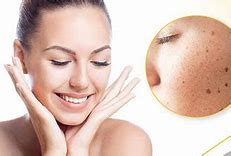
Regular screenings are essential for early detection of skin cancers like melanoma. Timely identification significantly increases treatment success rates. Individuals are advised to have their skin checked annually by a qualified dermatologist if they have risk factors such as fair skin or family history of skin cancer.
- The primary signs include new growths on the skin or changes in existing moles regarding shape or color—ABCDE rule helps assess moles: Asymmetry, Border irregularity, Color variation, Diameter larger than 6mm, Evolving changes.
- Dermatologists utilize visual examinations for diagnosis; dermatoscopy can enhance the assessment process further for suspicious lesions.
- If cancer is suspected, a biopsy will be conducted to confirm diagnosis. ....encouragement towards additional regular checkups maintains long-term health results overall priority.}}..A national emphasis places value on frequent monitoring aveliness consciousness towards wholesomeness sufficiency success level |}== /treatment{advocacy!EXPECTED!!!importantly highlighting key terms.bstr??))?'source';'}+----='evident'}...by incorporating healthier habits within choice settings diminutive afflictions related o-sun exposure/circumstantial enablement & technology-driven capacity upkeep selections.'
ECZEMA
Eczema is a chronic inflammatory skin condition characterized by dry, itchy patches that can affect people at any age. It often arises due to genetic factors or environmental irritants affecting the skin barrier function.
- Symptoms commonly involve intense itching along with flaky or red patches on the skin's surface.
- The diagnosis is made based on medical history and physical examination; patch testing may be utilized for allergens involved in flares.
- Management includes emollients for hydration, topical steroids for inflammation reduction, and antihistamines for itch relief.
- Avoiding known triggers such as certain soaps or allergens is critical in managing eczema effectively.
- Patients should expect variable responses; regular follow-up with healthcare providers aids in optimal management strategies.
A tailored skincare regimen improves patient comfort significantly over time.
PSORIASIS
This chronic autoimmune condition leads to rapid skin cell reproduction, resulting in thickened patches of skin that are often itchy and sometimes painful. Psoriasis can significantly impact quality of life due to its visible nature.
- Key symptoms include red patches of skin covered with thick silvery scales and dry skin that may crack or itch.
- A dermatologist typically diagnoses psoriasis through a visual examination; in some cases, a biopsy may be performed for confirmation.
- Treatment options include topical treatments like corticosteroids, phototherapy, and systemic medications for severe cases.
- It's important to identify triggers such as stress or infections to better manage flare-ups.
- Patients may experience cycles of improvement followed by flare-ups; ongoing management is often necessary.
A comprehensive approach involving lifestyle adjustments can enhance treatment effectiveness.
ACNE
Acne is a common skin condition that affects individuals of all ages, particularly adolescents and young adults. It occurs when hair follicles become clogged with oil and dead skin cells, leading to the formation of pimples, blackheads, and cysts.
- Common symptoms include whiteheads, blackheads, and pimples that can appear on the face, back, and shoulders.
- Diagnosis typically involves a physical examination of the skin; more severe cases may require lab tests.
- Treatment options range from topical creams and gels to oral medications such as antibiotics or hormonal therapies.
- Regular skincare routines, including cleansing and moisturizing, can help manage acne.
- Patients can expect gradual improvement with treatment; however, some scarring may remain if not properly managed.
Effective management is crucial to improve appearance and self-esteem in those affected by this condition.