
Dr Swaraj K Son
About Me
Dr Swaraj K Son
MBBS
General Physician
10 Years Experience
Biography
My Clinic
OPD Hours
| Monday | Morning | 10:00 AM | - | 02:00 PM |
| Evening | 06:00 PM | - | 09:00 PM | |
| Tuesday | Morning | 10:00 AM | - | 02:00 PM |
| Evening | 06:00 PM | - | 09:00 PM | |
| Wednesday | Morning | 10:00 AM | - | 02:00 PM |
| Evening | 06:00 PM | - | 09:00 PM | |
| Thursday | Morning | 10:00 AM | - | 02:00 PM |
| Evening | 06:00 PM | - | 09:00 PM | |
| Friday | Morning | 10:00 AM | - | 02:00 PM |
| Evening | 06:00 PM | - | 09:00 PM | |
| Saturday | Morning | 10:00 AM | - | 02:00 PM |
| Evening | 06:00 PM | - | 09:00 PM | |
| Sunday | Morning | 10:00 AM | - | 02:00 PM |
| Evening | 06:00 PM | - | 09:00 PM |
Treatments
Specialised care and treatments offered
ACUTE RESPIRATORY INFECTIONS CARE
An acute respiratory infection affects the upper or lower respiratory tract causing symptoms such as cough, sore throat, nasal congestion, or fever. These infections are highly prevalent especially during seasonal changes.
- Common causative agents & presentation: Most infections are viral including cold viruses but bacterial infections require different treatment approaches;
- Diagnosis techniques: Clinical evaluation supported by chest X-rays or sputum cultures if pneumonia suspected;
- Treatment principles: Symptomatic relief using antipyretics & hydration for viral infections; antibiotics reserved only for confirmed bacterial cases to prevent resistance;
- Expected duration & prevention: Most cases resolve within 1-2 weeks though persistent symptoms warrant reassessment; good hygiene reduces transmission risk;
Timely medical consultation ensures appropriate care avoiding complications such as bronchitis or pneumonia especially in vulnerable populations.
ANEMIA EVALUATION AND TREATMENT

Anemia occurs when there is a reduction in red blood cells or hemoglobin leading to diminished oxygen delivery throughout the body. This can cause various physical symptoms requiring identification of underlying causes for proper care.
- Spectrum of symptoms & origins: Common signs include fatigue, pallor, dizziness; causes range from nutritional deficiencies to chronic diseases or blood loss.
- The investigative process: Blood tests including complete blood count (CBC) determine anemia type guiding further testing for source of deficiency or pathology.
- Treatment modalities: Iron supplementation for deficiency anemia; vitamin B12 injections for pernicious anemia; addressing any bleeding sources appropriately;
IRRITABLE BOWEL SYNDROME (IBS) MANAGEMENT

Irritable Bowel Syndrome (IBS) is a functional gastrointestinal disorder characterized by abdominal discomfort alongside altered bowel habits. It affects many adults worldwide.
- Main symptoms & triggers: Include cramping, bloating, diarrhea or constipation often worsened by stress or certain foods.
- Diagnostic approach: Diagnosis primarily relies on symptom-based criteria after excluding other organic diseases through tests as needed.
- Treatment methods: Dietary adjustments such as fiber modification; stress management techniques; medications targeting specific complaints like antispasmodics or laxatives are commonly used.
- Lifestyle considerations: Regular exercise and psychological therapies may improve symptom control in some patients.
A personalized strategy focusing on symptom relief helps patients manage IBS effectively without invasive interventions.
CHRONIC OBSTRUCTIVE PULMONARY DISEASE (COPD) SUPPORT
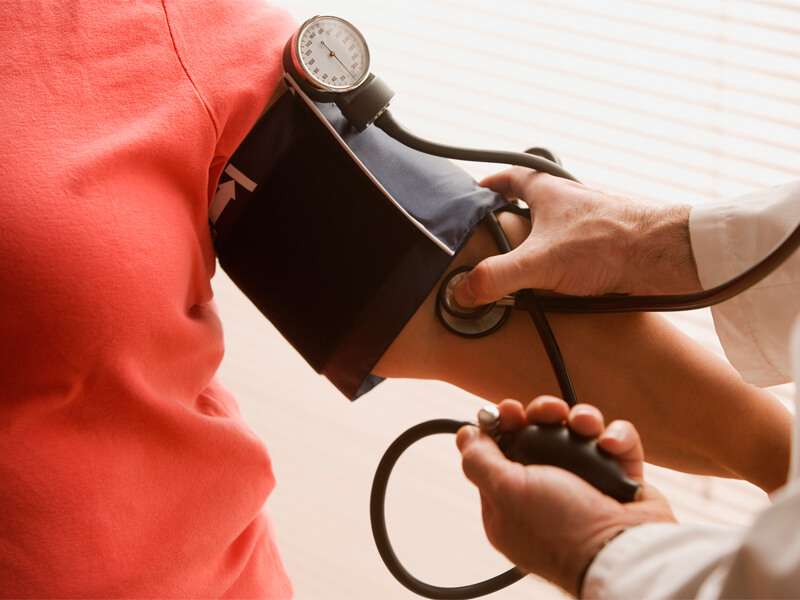
COPD encompasses progressive lung diseases that obstruct airflow making breathing increasingly difficult. It requires careful medical intervention for symptom control.
- Causative factors & signs: Primarily caused by smoking; symptoms include chronic cough, sputum production, and shortness of breath.
- Confirming diagnosis: Pulmonary function tests along with clinical history establish disease presence and severity.
- Treatment plan: Smoking cessation is critical; inhalers like bronchodilators and corticosteroids relieve airway obstruction; oxygen therapy may be needed in advanced stages.
- Patient outlook: While COPD has no cure, appropriate management slows progression and improves quality of life significantly.
A supportive approach combining medication adherence and lifestyle adjustment is essential for living well with COPD.
TYPE 2 DIABETES CARE

Type 2 diabetes is a chronic condition affecting how your body processes glucose, leading to elevated blood sugar levels. It requires ongoing management to prevent complications.
- Symptoms and causes: Increased thirst, frequent urination, fatigue; caused by insulin resistance often linked to obesity and lifestyle factors.
- Diagnosis: Blood tests such as fasting plasma glucose or HbA1c indicate abnormal glucose metabolism.
- Treatment strategies: Diet modification, physical activity, oral hypoglycemics or insulin therapy in some cases.
- Lifestyle impact: Weight control and regular exercise play critical roles in managing symptoms and improving outcomes.
Early detection and consistent treatment are key to preventing long-term issues like nerve damage or cardiovascular disease associated with diabetes.
HYPERTENSION MANAGEMENT
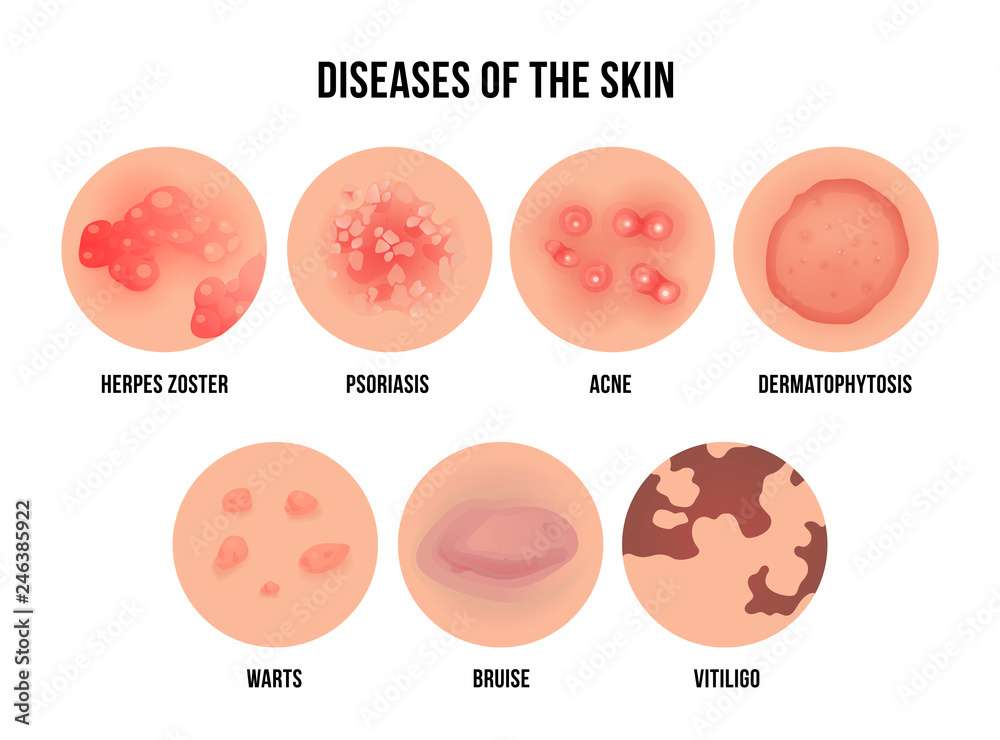
High blood pressure, or hypertension, is a common condition where the force of blood against artery walls is consistently too high. This can lead to serious health issues if left untreated.
- Symptoms and causes: Often called the ‘silent killer’ because it may have no noticeable symptoms; risk factors include age, diet, stress, and genetics.
- Diagnosis: Regular blood pressure measurements over multiple visits help confirm persistent elevation.
- Treatment options: Lifestyle changes such as diet and exercise; medications like ACE inhibitors or beta-blockers may be prescribed based on severity.
- Management expectations: Continuous monitoring is essential; controlling hypertension reduces risks of heart attack and stroke.
With proper care and adherence to treatment, individuals with hypertension can lead healthy lives while minimizing complications.