
Dr Swati Tomar
About Me
Dr Swati Tomar
DO
Ophthalmologist
Biography
My Clinic
OPD Hours
| Monday | Morning | 10:00 AM | - | 02:00 PM |
| Evening | 06:00 PM | - | 09:00 PM | |
| Tuesday | Morning | 10:00 AM | - | 02:00 PM |
| Evening | 06:00 PM | - | 09:00 PM | |
| Wednesday | Morning | 10:00 AM | - | 02:00 PM |
| Evening | 06:00 PM | - | 09:00 PM | |
| Thursday | Morning | 10:00 AM | - | 02:00 PM |
| Evening | 06:00 PM | - | 09:00 PM | |
| Friday | Morning | 10:00 AM | - | 02:00 PM |
| Evening | 06:00 PM | - | 09:00 PM | |
| Saturday | Morning | 10:00 AM | - | 02:00 PM |
| Evening | 06:00 PM | - | 09:00 PM | |
| Sunday | Morning | 10:00 AM | - | 02:00 PM |
| Evening | 06:00 PM | - | 09:00 PM |
Treatments
Specialised care and treatments offered
PTERYGIUM REMOVAL
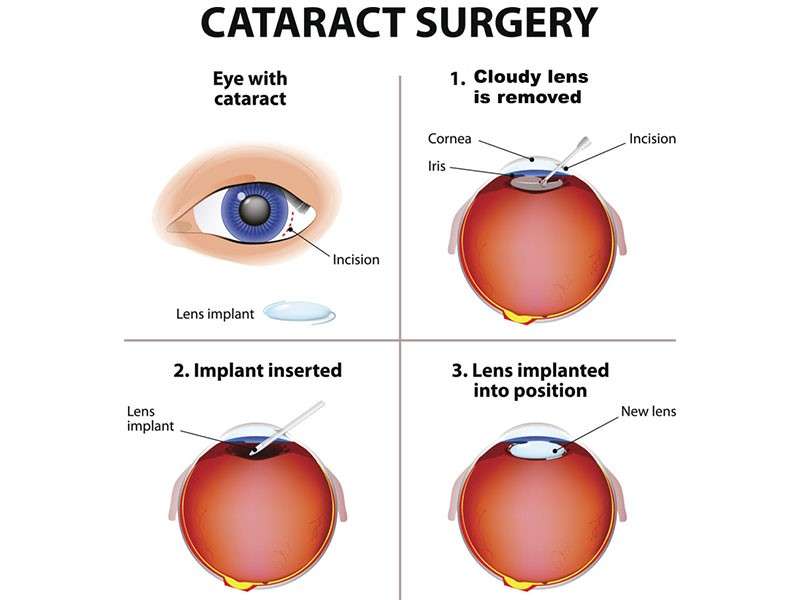
Pterygium is a non-cancerous growth on the conjunctiva (the clear tissue covering the white part of your eyeball), often caused by environmental factors like UV exposure. Treatment becomes necessary when it causes discomfort or affects vision clarity significantly over time without intervention taken earlier usually considered right away given urgency matter affecting us greatly possibly outweighing efforts promptly rendered accordingly!
RETINAL TEAR TREATMENT
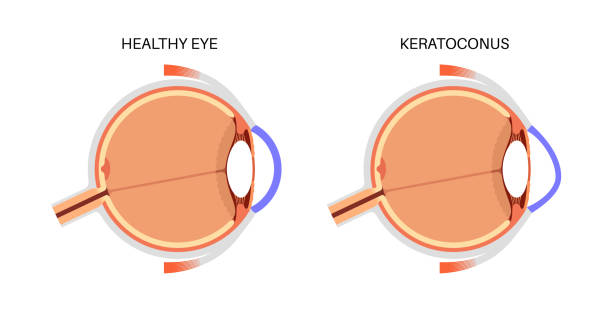
A retinal tear occurs when there’s a break in the retina's tissue that can lead to serious conditions such as retinal detachment if not treated promptly. Understanding its symptoms aids timely action toward treatment options available today.
- The key symptoms include sudden flashes of light, floaters appearing quickly in one eye, or a shadow obstructing part of your vision indicating possible irritation within the retina area.
- An ophthalmologist will perform diagnostic tests including ultrasonography imaging along with direct examination techniques while assessing patient history before confirming any findings related to tears present within retina structures properly diagnosed through these methods respectively leading towards suitable procedures offered ahead accordingly ensuring safety above all else throughout care given thereafter moving forward continually thereafter!
Treatments such as laser therapy can seal off the tear before any detachment occurs. Following treatment guidelines ensure optimal recovery while minimizing complications further down line experienced subsequently thereafter consistently being monitored closely until resolved completely satisfactorily overall positively noted!
GLAUCOMA SCREENING
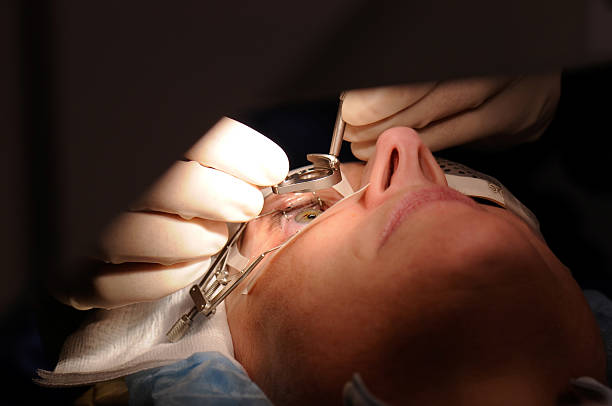
This progressive eye disease damages the optic nerve usually due to elevated intraocular pressure (IOP). Regular screening is vital for early detection since glaucoma often has no noticeable symptoms until significant damage occurs.
- The initial symptoms may be subtle, including gradual loss of peripheral vision. Advanced cases may result in tunnel vision or blindness if untreated.
- A comprehensive evaluation involving tonometry measures IOP while examining peripheral vision fields helps confirm diagnosis during routine check-ups with an ophthalmologist.
- Treatments typically include prescription eye drops, oral medications, or surgical procedures aimed at lowering IOP effectively based on individual assessments.
Continued monitoring plays a critical role in maintaining optic nerve health and preserving sight over time for those at risk of glaucoma development.
DIABETIC RETINOPATHY ASSESSMENT
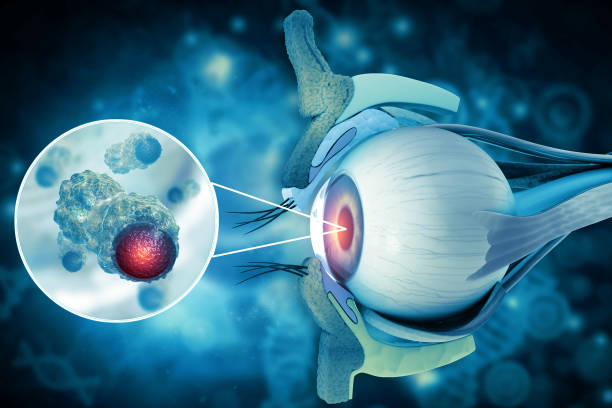
This condition affects individuals with diabetes and results from high blood sugar levels damaging the retinal blood vessels. Early detection is crucial in preventing vision loss caused by diabetic retinopathy.
- The usual symptoms might be absent in early stages but can later include dark spots or floaters in vision as well as blurred areas in sight.
- An ophthalmologist conducts a detailed dilated eye exam to detect changes in blood vessels within the retina during diagnosis.
- Treatment varies from monitoring to laser therapy aimed at sealing leaking blood vessels or intravitreal injections for advanced cases.
- Regular check-ups help manage diabetes effectively while safeguarding your eyesight against complications related to retinal health.
If diagnosed early, individuals can significantly reduce their risk of severe outcomes through appropriate interventions and lifestyle adjustments.
DRY EYE SYNDROME MANAGEMENT
Dry Eye Syndrome occurs when the eyes do not produce enough tears or when tears evaporate too quickly. This can lead to discomfort and potential damage to the eye surface if left untreated.
- Common symptoms include a sandy or gritty sensation in the eyes, redness, and occasional blurry vision.
- A thorough examination by an ophthalmologist helps diagnose dry eye through tests measuring tear production and evaluating tear quality.
- Treatment may involve artificial tears, prescription medications to increase tear production, or techniques such as punctal plugs to retain moisture.
- Lifestyle modifications like avoiding smoke exposure also help manage symptoms effectively.
- Patients can expect improvement in comfort levels with proper management tailored to their specific needs.
Managing dry eye syndrome effectively enhances overall well-being and eye health over time.
CATARACT SURGERY
Cataracts are a common age-related condition that affects the lens of the eye, leading to blurred vision and difficulty in seeing at night. This clouding of the lens can significantly impact daily activities and quality of life.
- Symptoms include cloudy or blurry vision, sensitivity to light, and difficulty with night vision.
- Diagnosis typically involves a comprehensive eye exam, where an ophthalmologist assesses visual acuity and examines the lens for opacity.
- Treatment options primarily involve surgical intervention, where the cloudy lens is removed and replaced with an artificial intraocular lens.
- The procedure is often performed on an outpatient basis using local anesthesia, allowing for a quick recovery.
- Post-surgery, patients can expect improved vision; however, follow-up visits are essential to monitor healing.
Overall, cataract surgery is a safe and effective solution that restores vision for many individuals suffering from this condition.