
DR T C Agarwal
About Me
DR T C Agarwal
MBBS
General Physician
Biography
My Clinic
OPD Hours
| Monday | Morning | 10:00 AM | - | 02:00 PM |
| Evening | 06:00 PM | - | 09:00 PM | |
| Tuesday | Morning | 10:00 AM | - | 02:00 PM |
| Evening | 06:00 PM | - | 09:00 PM | |
| Wednesday | Morning | 10:00 AM | - | 02:00 PM |
| Evening | 06:00 PM | - | 09:00 PM | |
| Thursday | Morning | 10:00 AM | - | 02:00 PM |
| Evening | 06:00 PM | - | 09:00 PM | |
| Friday | Morning | 10:00 AM | - | 02:00 PM |
| Evening | 06:00 PM | - | 09:00 PM | |
| Saturday | Morning | 10:00 AM | - | 02:00 PM |
| Evening | 06:00 PM | - | 09:00 PM | |
| Sunday | Morning | 10:00 AM | - | 02:00 PM |
| Evening | 06:00 PM | - | 09:00 PM |
Treatments
Specialised care and treatments offered
GASTROESOPHAGEAL REFLUX DISEASE (GERD) TREATMENT
GERD occurs when stomach acid frequently flows back into the esophagus causing irritation. This chronic digestive condition affects millions worldwide requiring careful attention for effective management.
- Symptoms : Common signs encompass heartburn discomfort after meals along with regurgitating sour liquid potentially leading discomfort at night too.
- Causes : Contributing factors involve obesity lifestyle choices eating late consuming acidic foods which exacerbate symptoms over time .
- Diagnosis : Diagnosis generally relies upon reviewing patient history alongside symptom descriptions; further evaluations like endoscopy may occasionally be warranted.
- Treatment options : Modifications in diet combined with medications such as proton pump inhibitors provide relief while surgical interventions exist should conservative measures fail .
By effectively increasing awareness surrounding this condition patients can achieve substantial improvement in daily comfort levels thus enhancing previously disrupted lifestyles.
CARDIAC RISK ASSESSMENT

A cardiac risk assessment evaluates an individual's likelihood of developing heart-related conditions. It is vital for identifying early risk factors that may lead to severe cardiovascular diseases later on.
- Symptoms : Individuals often do not experience symptoms until an event occurs; however fatigue during activity can sometimes indicate underlying issues.
- Causes : Significant contributors include family history of heart disease, high cholesterol levels and diabetes among others.
- Diagnosis : Risk assessments typically involve reviewing medical history followed by physical examinations; additional testing may include blood tests or cardiovascular imaging techniques if needed.
- Treatment options : Prevention strategies focus on lifestyle modifications including dietary adjustments alongside managing existing health conditions effectively. Medications might also be prescribed based on specific findings from assessments.
By proactively addressing risk markers through personalized care plans aiming towards healthier living habits cardiovascular events can be significantly reduced over time.
THYROID DISORDERS EVALUATION
The thyroid gland plays an essential role in regulating metabolism through hormone production. Disorders can cause significant health issues if left untreated.
- Symptoms: Patients may experience unexplained weight changes, fatigue, hair loss, sensitivity to temperature changes and mood fluctuations depending on the nature of the disorder (hyperthyroidism vs. hypothyroidism).
- Causes: Causes range from autoimmune diseases like Hashimoto's thyroiditis to iodine deficiency or congenital conditions affecting hormone production.
- Diagnosis: Blood tests measuring TSH and thyroid hormones (T3 & T4) are standard for detecting abnormal thyroid function levels.
CHRONIC OBSTRUCTIVE PULMONARY DISEASE (COPD) MANAGEMENT
COPD is a progressive lung disease that causes breathing difficulties. It primarily results from long-term exposure to harmful substances such as cigarette smoke or pollutants.
- Symptoms: Signs often include persistent cough, wheezing, shortness of breath during physical activities, and chest tightness.
- Causes: Main contributors are smoking history, environmental factors like air quality deterioration, and genetic predisposition (in rare cases).
- Diagnosis: Diagnosis typically involves pulmonary function tests (spirometry) along with imaging studies like chest X-rays or CT scans for evaluation of lung damage.
- Treatment options: Options range from bronchodilators inhalers to corticosteroids; some patients may require oxygen therapy in advanced stages.
A comprehensive approach helps enhance lung function and improve overall quality of life for COPD patients.
DIABETES SCREENING

Diabetes is a chronic condition characterized by elevated blood sugar levels. Early detection through screening is crucial as it allows for timely intervention and management.
- Symptoms: Common early signs include increased thirst, frequent urination, extreme fatigue, and blurred vision.
- Causes: Risk factors involve obesity, sedentary lifestyle, and a family history of diabetes.
- Diagnosis: Tests such as fasting blood glucose tests or HbA1c tests are used to confirm diabetes status.
- Treatment options: Management strategies include lifestyle changes (diet and exercise), oral medications, or insulin therapy depending on type and severity.
- What to expect: Regular follow-up appointments are crucial for monitoring progress and preventing complications associated with uncontrolled diabetes.
Timely screening can help manage the disease effectively, leading to improved long-term health outcomes.
HYPERTENSION MANAGEMENT
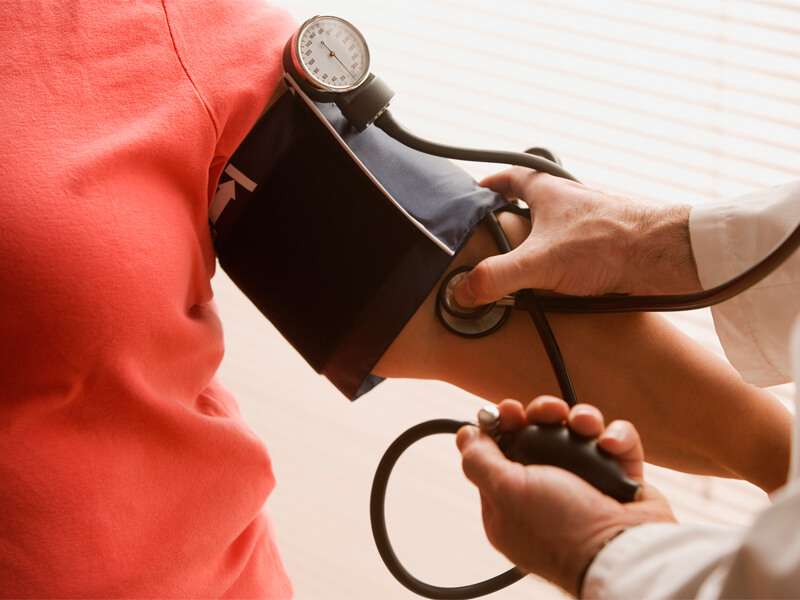
Hypertension, or high blood pressure, is a common yet serious condition that can lead to significant health complications if not managed properly. This condition often develops over many years and may go unnoticed until severe health issues arise.
- Symptoms: Many individuals experience no symptoms, but some may complain of headaches, dizziness, or nosebleeds.
- Causes: Factors include genetics, poor diet, lack of exercise, and stress.
- Diagnosis: Physicians typically measure blood pressure during routine exams; multiple readings may be necessary for accurate diagnosis.
- Treatment options: Management includes lifestyle changes like diet modification and exercise, as well as medications such as diuretics or ACE inhibitors.
- What to expect: Regular monitoring is essential; the goal is to maintain blood pressure within a normal range to prevent complications like heart disease.
Proper management can significantly improve quality of life and reduce the risk of serious health issues related to high blood pressure.