
Dr T C Sadasuk
About Me
Dr T C Sadasuk
MS
Urologists
10 Years Experience
Biography
My Clinic
OPD Hours
| Monday | Morning | 10:00 AM | - | 02:00 PM |
| Evening | 06:00 PM | - | 09:00 PM | |
| Tuesday | Morning | 10:00 AM | - | 02:00 PM |
| Evening | 06:00 PM | - | 09:00 PM | |
| Wednesday | Morning | 10:00 AM | - | 02:00 PM |
| Evening | 06:00 PM | - | 09:00 PM | |
| Thursday | Morning | 10:00 AM | - | 02:00 PM |
| Evening | 06:00 PM | - | 09:00 PM | |
| Friday | Morning | 10:00 AM | - | 02:00 PM |
| Evening | 06:00 PM | - | 09:00 PM | |
| Saturday | Morning | 10:00 AM | - | 02:00 PM |
| Evening | 06:00 PM | - | 09:00 PM | |
| Sunday | Morning | 10:00 AM | - | 02:00 PM |
| Evening | 06:00 PM | - | 09:00 PM |
Treatments
Specialised care and treatments offered
PROSTATITIS
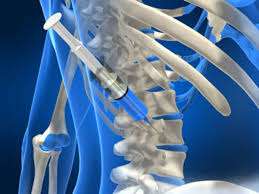
This refers inflammation/infection prostate gland resulting variable manifestations ranging acute-chronic types seen usually correlated directly via either bacterial presence/not commonly triggered stressful circumstances surrounding certain activities exacerbating pre-existing conditions occasionally noted nonetheless consistent follow-up remains paramount!
- Symptoms : Patients typically report pelvic pain/discomfort lower abdomen/radiating back regions frequently presenting increased urgency/frequency likewise bothersome perineal sensations may correlate therein potentially complicating diagnoses finely tuned understanding aforementioned pathology necessary hence!
- Diagnosis : Appropriate diagnostic approaches involve memory assessments combined laboratory testing differentiating types effectively guiding best suited treatments ahead optimizing chances symptom alleviation eventually securing definitive outcomes desired timeline fashion specifying long-term resolutions planned accordingly correctly here!
The complexities surrounding prostatitis demand careful navigation specialist input—fostering relief promptly while clarifying misconceptions helps facilitate smooth recovery processes undertaken collaboratively between patient-provider relationships developed forthrightly constructing trust/formidable partnerships nurtured meanwhile enhancing overall patient care delivery models established toward achieving desired results progressively nearing success ultimately pivotal ensuring hopeful restoration manifested shortly thereafter absolutely positive experiences acquired along journeys traveled exploring therapeutic options available offering strategically advantageous moves forward facilitated entirely realistically feasibly orchestrated consequently yielding improvements felt across myriad aspects encountered throughout paths traversing proactively navigating challenges faced collectively therein undertaking reconciliation efforts alongside greater awareness created build foundations restoration momentum reinforced regularly collaborated consistently reinforcing positivity embraced encourages healthier lifestyles undertaken regularly over periods invested positively nurturing responsible behaviors sustained onward together continually forging ahead united striving hopefulness realized!
SEXUAL DYSFUNCTION

This term encompasses various issues affecting sexual health in both men and women significantly impacting relationships. Factors contributing include psychological aspects as well as physiological changes over time requiring multidisciplinary approaches addressing these concerns holistically!
- Symptoms : Men might notice challenges achieving/effecting erections while women see reduction/desires/lubrication difficulties alongside intimacy dissatisfaction arising subsequently over time accompanying distress experienced too frequently post-relationships impacted negatively thus needing redressment actively pursued sooner rather than later ideally!
- Diagnosis : Through comprehensive evaluations via detailed history assessments & questionnaires focusing behavioral/cultural factors influencing experiences will guide appropriate treatments thereafter effectively targeted tailored precisely versus unfocused remedies sought broadly instead hereafter!
Seeking assistance regarding sexual dysfunction opens avenues towards healing/emotion regulation improving overall relationship dynamics so fostering better communication ways leading healthy connections built back again where intimacy thrives once more throughout partnership renewed focus aligned purposefully together achieved gradually through patience/time invested honestly shared openly too alike!. Such situations though sensitive should never remain unaddressed especially given fundamental importance maintaining fulfilling relationships central aspect human experience overall definitely worth it prioritizing nevertheless !
HYDRONEPHROSIS

This condition occurs when one or both kidneys swell due to urine buildup. This often results from obstruction downstream which needs immediate medical attention depending on severity.
- Symptoms: Common signs include flank pain, nausea/vomiting, renal colic-type pain among others based on underlying causes affecting drainage.
- Diagnosis: Ultrasound or CT imaging helps determine the level of obstruction and assess kidney swelling's extent efficiently without invasive methods initially required sometimes by contrast studies if needed later on .
- Treatment : Initial conservative management focuses upon relieving blockage via catheterization/drainage procedures followed possibly by further corrective surgery based upon etiology identified such as stone removal intervention afterwards .
- Management : Preventive measures depend largely on root causes such as lifestyle modifications advised post-resolutions . Regular follow-up appointments remain vital here henceforth monitoring outcomes being paramount towards long-term success track record .
For those experiencing hydronephrosis—it’s critical seeking help promptly ensures early diagnosis curtails risk associated injuries stemming from prolonged urinary retention whilst promoting optimal functioning again thereafter!
BENIGN PROSTATIC HYPERPLASIA (BPH)

This condition involves an enlargement of the prostate gland that affects many older men. Although BPH is not cancerous, it can lead to uncomfortable urinary symptoms that require management strategies.
- Symptoms: Symptoms often include difficulty starting urination, weak urine stream, frequent urination at night (nocturia), and urgency in urination.
- Diagnosis: A thorough history and physical exam along with tests like PSA blood tests may be performed to rule out prostate cancer while assessing severity of symptoms.
- Treatment: Options range from lifestyle changes and medication management with alpha-blockers or 5-alpha-reductase inhibitors to surgical interventions if symptoms become severe.
- Management: Regular monitoring is essential; lifestyle modifications could include reducing fluid intake before bedtime and practicing pelvic floor exercises.
BPH requires careful evaluation as symptoms can significantly impact quality of life. Treatment tailored towards individual needs is crucial for successful management.
URINARY TRACT INFECTIONS (UTIS)

A urinary tract infection occurs when bacteria invade the urinary system, leading to discomfort and potential complications. UTIs can affect anyone but are notably more common in women.
- Symptoms: Common symptoms include a burning sensation during urination, frequent urges to urinate, and cloudy or strong-smelling urine.
- Diagnosis: A healthcare provider typically conducts a urinalysis to identify bacteria and white blood cells indicative of an infection.
- Treatment: Antibiotics are the first-line treatment for UTIs; it's also advised to increase fluid intake to help flush out bacteria.
- Management: To prevent future infections, practices like proper hygiene and dietary adjustments may be suggested.
- What to Expect: With prompt treatment, most individuals see symptom resolution quickly; however, it’s important to complete the entire course of antibiotics as prescribed.
If you suspect a UTI, seeking timely medical advice is important for quick resolution and avoiding potential complications.
KIDNEY STONES

Kidney stones are hard deposits formed in the kidneys that can cause severe pain and complications if not treated. These stones can vary in size and may pass on their own, but larger stones often require medical intervention.
- Symptoms: Severe flank pain, blood in urine, nausea, and frequent urination can indicate kidney stones.
- Diagnosis: Imaging tests such as ultrasound or CT scans are commonly used to locate stones within the urinary tract.
- Treatment: Options include drinking plenty of fluids, medications for pain relief, and minimally invasive procedures like ureteroscopy or shock wave lithotripsy for larger stones.
- Management: After treatment, dietary changes may help prevent future occurrences; hydration is crucial.
- What to Expect: The recovery process varies depending on the type of treatment; follow-up appointments might be necessary to monitor any recurrence.
Understanding kidney stones is essential for effective management and prevention of further issues. Proper care can lead to a return to normal functioning.