
Dr T C Sadasukhi
About Me
Dr T C Sadasukhi
MD
Dermatologist
Biography
My Clinic
OPD Hours
| Monday | Morning | 10:00 AM | - | 02:00 PM |
| Evening | 06:00 PM | - | 09:00 PM | |
| Tuesday | Morning | 10:00 AM | - | 02:00 PM |
| Evening | 06:00 PM | - | 09:00 PM | |
| Wednesday | Morning | 10:00 AM | - | 02:00 PM |
| Evening | 06:00 PM | - | 09:00 PM | |
| Thursday | Morning | 10:00 AM | - | 02:00 PM |
| Evening | 06:00 PM | - | 09:00 PM | |
| Friday | Morning | 10:00 AM | - | 02:00 PM |
| Evening | 06:00 PM | - | 09:00 PM | |
| Saturday | Morning | 10:00 AM | - | 02:00 PM |
| Evening | 06:00 PM | - | 09:00 PM | |
| Sunday | Morning | 10:00 AM | - | 02:00 PM |
| Evening | 06:00 PM | - | 09:00 PM |
Treatments
Specialised care and treatments offered
CONTACT DERMATITIS
This condition arises when your skin reacts after direct contact with irritants or allergens resulting in inflammation. Contact dermatitis showcases varying severity levels among different individuals based upon prior exposures encountered previously .
- Common indicators comprise redness/burning sensations/itchiness occurring post-exposure circumstantially surrounding affected areas (e.g., hands/face).
- A thorough diagnostic approach not only encompasses physical assessments but includes detailed discussions about recent activities/interactions potentially tied back triggering responses noted thereafter.
- Management entails identifying elimination strategies alongside targeted creams helping relieve immediate discomfort experienced whilst protecting delicate tissues going forward toward recovery stages commencing ahead subsequently afterwards!
- < If proper guidance is upheld including avoiding potential culprit substances via educational resources available extensively online , then recovering from contact dermatitis becomes simplified substantially over intervals witnessed visibly improving overall comfort levels experienced respectively afterwards.
By engaging comprehensively throughout this process - those navigating issues linked directly nearby will find themselves empowered moving forward inducing positive healing outcomes .
ROSACEA
Rosacea is a chronic facial condition marked by redness across the central face along with visible blood vessels. While it remains poorly understood scientifically; certain triggers have been recognized which aggravate flare-ups associated with this disorder.
- Symptoms typically manifest as redness on the nose & cheeks along with papules/pustules resembling acne itself; some individuals experience eye irritation (ocular rosacea) too.
- Diagnosis relies heavily upon clinical evaluation since there exists no definitive test; however reporting your experiences helps clinicians formulate effective strategies tailored specifically toward managing you personally.
- Treatments generally encompass topical medications targeting inflammation paired alongside avoidance plans designed around known provocateurs such hot beverages/alcohol/sun exposure & more.
- With diligence applied through behavioral changes plus adherence towards prescribed medication usage – patients stand considerable chance achieving remarkable improvements regarding visible symptoms encountered throughout day-to-day activities.
Effectively managing rosacea ensures lasting benefits—including sustained management without compromising quality—thus empowering confidence amongst those afflicted by its fluctuating nature .
SKIN CANCER SCREENING
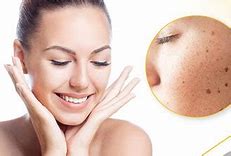
Regular screenings for skin cancer are vital for early detection and effective treatment of melanoma and non-melanoma types. These assessments can identify suspicious moles or growths before they progress into serious health concerns.
- You should be alert for any changes in existing moles such as color alterations or enlargement; new growths appearing suddenly are also caution signals to watch for.
- The screening process typically involves a visual examination where dermatologists check areas over your entire body; biopsies may be utilized if abnormalities are detected.
- If necessary based on results obtained during screenings:, treatments might include surgical excision or Mohs surgery aimed at preserving surrounding healthy tissue while removing cancerous cells effectively. ..... .... ,
- < b dir = 'auto' > < b dir = 'auto' > < b dir = 'auto' > anticipation .< br />Providing thorough education about self-exams further empowers patients in maintaining their dermatological health long-term
Taking proactive measures through regular screenings enables early intervention that positively influences outcomes related to potential malignancies .
ECZEMA (ATOPIC DERMATITIS)
Eczema or atopic dermatitis is a chronic inflammatory skin condition characterized by dry, itchy patches that often flare-up periodically. The underlying causes are complex but often involve genetic factors combined with environmental triggers.
- Your symptoms may include intense itching, red or brownish-gray patches on the skin located primarily on hands, feet, ankles, wrists, neck, upper chest, eyelids, inside elbows and knees as well as around the eyes and ears.
- A diagnosis usually involves reviewing medical history alongside physical examinations of affected areas;
- Management strategies focus on moisturizing regimens, topical corticosteroids for inflammation control, and antihistamines to alleviate itching as needed.
- Identifying triggers such as allergens or irritants plays a crucial role in reducing episodes.
- With a consistent treatment plan tailored to individual needs, many sufferers find substantial relief from their symptoms over time.
An informed approach helps mitigate discomfort associated with eczema while enhancing overall quality of life for patients navigating this condition.
ACNE VULGARIS
Acne vulgaris is one of the most common skin disorders, affecting individuals primarily during adolescence but can persist into adulthood. It arises when hair follicles become clogged with oil and dead skin cells, leading to various lesions on the skin.
- Symptoms include blackheads, whiteheads, pimples, and sometimes deeper cysts; these can result in scarring if untreated.
- A thorough diagnosis often includes a visual assessment of the skin along with discussions about personal skincare routines and family history.
- Treatment can involve topical agents like retinoids or benzoyl peroxide as well as oral medications for more severe cases.
- Effective management also emphasizes hygiene practices and possibly dietary adjustments to minimize flare-ups.
- With ongoing care, individuals can significantly improve their skin condition over time.
This proactive approach allows patients to tackle acne effectively while minimizing psychological impacts associated with this common disorder.
PSORIASIS
Psoriasis is a chronic autoimmune condition that speeds up the life cycle of skin cells, leading to the rapid buildup of cells on the surface of the skin. This results in thick, red patches covered with silvery scales. Understanding psoriasis is essential for effective management.
- Common symptoms include red patches of skin covered with thick, silvery scales, dry or cracked skin that may bleed, and itching or burning sensations.
- The diagnosis typically involves a physical examination and medical history review; sometimes a biopsy is required to rule out other conditions.
- Treatment options range from topical treatments and phototherapy to systemic medications that target inflammation and immune responses.
- A multidisciplinary approach may help manage flare-ups and maintain remission, focusing on lifestyle changes including stress management and diet.
- Patients can expect individualized treatment plans which may evolve based on response to therapies over time.
With proper guidance and treatment, many individuals with psoriasis can lead normal lives without significant disruptions from their condition.