
Dr T Gitanjali
About Me
Dr T Gitanjali
Internal Medicine
Biography
My Clinic
OPD Hours
| Tuesday | Morning | 10:00 AM | - | 02:00 PM |
| Evening | 06:00 PM | - | 09:00 PM | |
| Wednesday | Morning | 10:00 AM | - | 02:00 PM |
| Evening | 06:00 PM | - | 09:00 PM | |
| Thursday | Morning | 10:00 AM | - | 02:00 PM |
| Evening | 06:00 PM | - | 09:00 PM | |
| Friday | Morning | 10:00 AM | - | 02:00 PM |
| Evening | 06:00 PM | - | 09:00 PM | |
| Saturday | Morning | 10:00 AM | - | 02:00 PM |
| Evening | 06:00 PM | - | 09:00 PM | |
| Sunday | Morning | 10:00 AM | - | 02:00 PM |
| Evening | 06:00 PM | - | 09:00 PM | |
| Thursday | Morning | 10:00 AM | - | 02:00 PM |
| Evening | 06:00 PM | - | 09:00 PM |
Treatments
Specialised care and treatments offered
SESNFORECRPS IDFDARSF MALYPAKYE
ASTHMA CONTROL
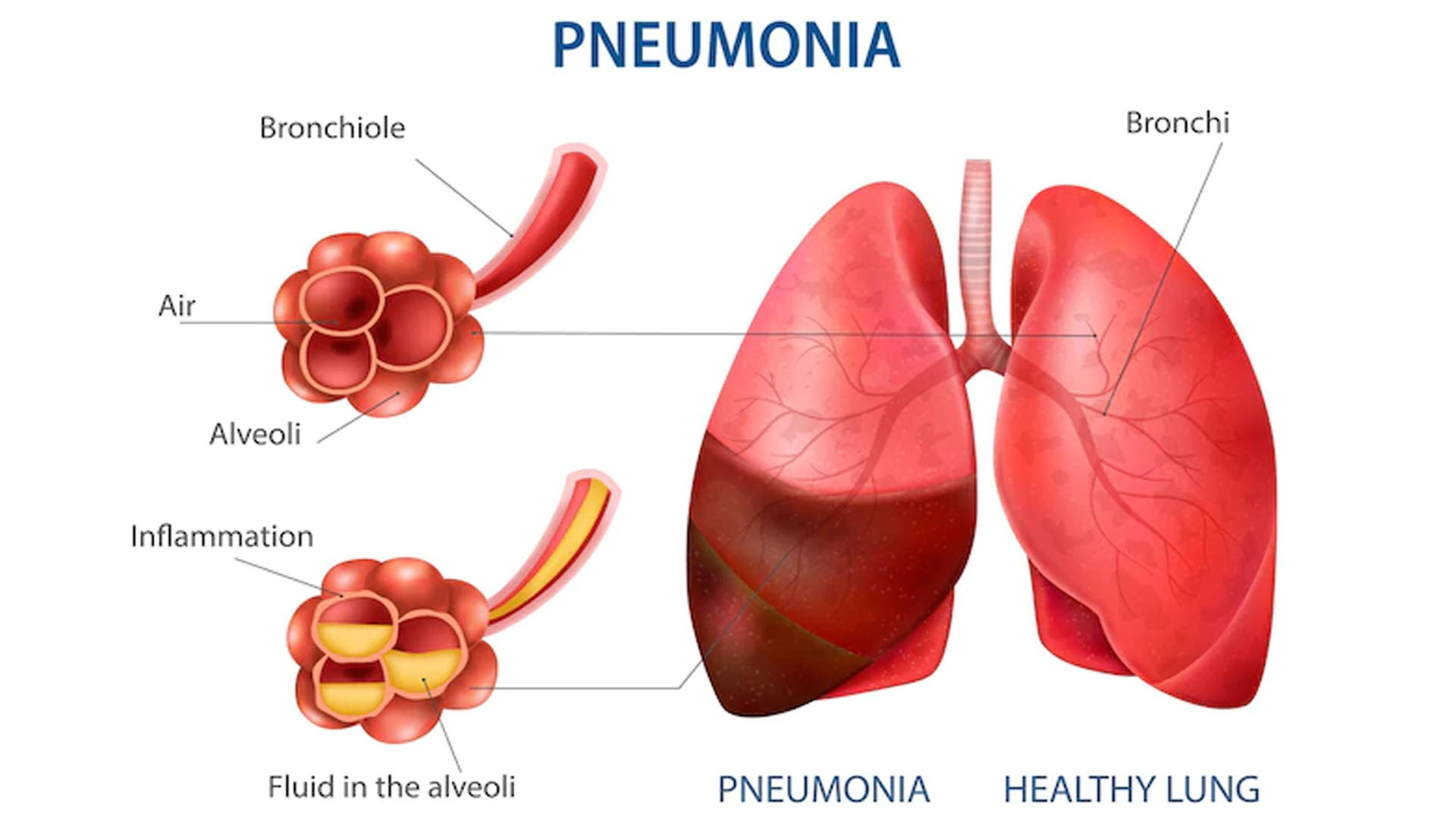
Asthma is a chronic condition that affects the airways in the lungs. Effective control strategies are essential for ensuring patients maintain a good quality of life and minimize exacerbations.
- Symptoms: Symptoms often include wheezing, coughing (particularly at night), chest tightness, and shortness of breath experienced during physical exertion or exposure to allergens.
DIABETES MANAGEMENT
The effective management of diabetes is essential for preventing complications related to both type 1 and type 2 diabetes. Patients are encouraged to take an active role in their treatment plans for optimal health outcomes.
- Symptoms: Common signs include increased thirst, frequent urination, extreme fatigue, and blurred vision that often prompt individuals to seek medical help.
- Causes: Genetics alongside lifestyle choices play critical roles in developing insulin resistance or inadequate insulin production in diabetes.
- Diagnosis: Diagnosing diabetes involves fasting blood sugar tests or HbA1c tests which measure average blood glucose levels over the past few months.
- Treatment/Management: Management options consist of dietary modifications, consistent physical activity routines, oral medications or insulin therapy tailored to individual needs.
- What to Expect: Continuous monitoring of blood glucose levels is vital for avoiding severe fluctuations that could lead to long-term complications affecting various organ systems.
A comprehensive care strategy equips patients with the tools needed for successful living with diabetes while minimizing health risks associated with the condition.
CHRONIC OBSTRUCTIVE PULMONARY DISEASE (COPD) MANAGEMENT
COPD is a progressive lung disease characterized by persistent breathing difficulties. Effective management is crucial for improving quality of life and slowing disease progression.
- Symptoms: Typical symptoms include chronic cough, excessive mucus production, wheezing, and shortness of breath during physical activities.
- Causes: The primary cause is long-term exposure to irritants such as cigarette smoke, air pollution, or occupational dusts.
- Diagnosis: Diagnosing COPD involves pulmonary function tests (PFTs), imaging studies like chest X-rays or CT scans, and thorough clinical evaluations.
- Treatment/Management: Treatment may encompass bronchodilators, steroids, pulmonary rehabilitation programs, and lifestyle changes like quitting smoking.
- What to Expect: With proper management strategies in place, patients can expect improved respiratory function and better control of symptoms throughout daily life.
An individualized approach fosters greater patient engagement in their care journey while navigating the complexities of COPD.
HYPERTENSION MANAGEMENT
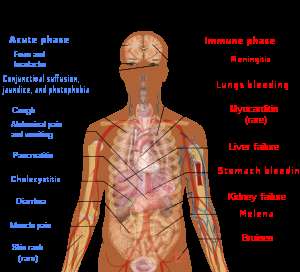
Hypertension, commonly known as high blood pressure, is a significant health concern that can lead to serious complications if left untreated. Understanding its intricacies can empower patients in managing their health effectively.
- Symptoms: Often referred to as the "silent killer," many individuals may not experience noticeable symptoms until blood pressure is dangerously high.
- Causes: Factors such as genetics, poor diet, lack of exercise, and stress contribute to hypertension's development.
- Diagnosis: Diagnosis typically involves regular blood pressure readings over time, along with additional tests to assess kidney function and cardiovascular health.
- Treatment/Management: Management strategies may include lifestyle changes like diet modification and exercise, alongside medications such as diuretics or ACE inhibitors when necessary.
- What to Expect: Regular monitoring and follow-ups will be essential to gauge treatment effectiveness and make necessary adjustments over time.
A proactive approach can help maintain healthy blood pressure levels, reducing risk factors for heart disease and stroke.