
Dr T P Lahane
About Me
Dr T P Lahane
General Physician
Biography
My Clinic
OPD Hours
| Tuesday | Morning | 10:00 AM | - | 02:00 PM |
| Evening | 06:00 PM | - | 09:00 PM | |
| Wednesday | Morning | 10:00 AM | - | 02:00 PM |
| Evening | 06:00 PM | - | 09:00 PM | |
| Thursday | Morning | 10:00 AM | - | 02:00 PM |
| Evening | 06:00 PM | - | 09:00 PM | |
| Friday | Morning | 10:00 AM | - | 02:00 PM |
| Evening | 06:00 PM | - | 09:00 PM | |
| Saturday | Morning | 10:00 AM | - | 02:00 PM |
| Evening | 06:00 PM | - | 09:00 PM | |
| Sunday | Morning | 10:00 AM | - | 02:00 PM |
| Evening | 06:00 PM | - | 09:00 PM | |
| Thursday | Morning | 10:00 AM | - | 02:00 PM |
| Evening | 06:00 PM | - | 09:00 PM |
Treatments
Specialised care and treatments offered
ALLERGY TESTING
Allergies can manifest in various forms impacting daily life significantly. Identifying specific allergens through testing is crucial for effective management strategies tailored to individual needs.
- The most common symptoms range from sneezing and rashes to more severe reactions like anaphylaxis depending on exposure severity。
- Diverse tests such as skin prick tests or blood tests help determine allergen sensitivities accurately。
- Upon identification of allergens , avoidance strategies , lifestyle modifications , or medications such as antihistamines may be recommended .
Getting tested provides essential knowledge regarding triggers empowering patients toward better management practices improving life quality significantly .
ACUTE RESPIRATORY INFECTION TREATMENT

Acute respiratory infections (ARIs) encompass various conditions affecting the airways including colds and bronchitis. These infections can occur due to viruses or bacteria and often require prompt assessment for effective management.
- Sneezing, coughing, fever, and shortness of breath are common symptoms.
- A thorough history-taking combined with a physical examination helps ascertain the cause behind your symptoms; occasional imaging may be required for further investigation.
- Treatment focuses primarily on alleviating symptoms through rest, hydration, nasal decongestants, or prescribed antibiotics if a bacterial origin is confirmed.
Your recovery takes precedence; staying monitored allows adjustments in your treatment plan as necessary while ensuring comfort throughout the healing process.
ROUTINE BLOOD WORK
Routine blood work is an essential aspect of preventive healthcare that helps identify potential health issues before they become significant concerns. Regular screenings provide valuable insights into numerous bodily functions.
- This testing can reveal important indicators such as cholesterol levels or signs of infection and inflammation in the body。
- Your doctor will explain the tests being performed based on individual risk factors and medical history。
- If abnormalities are found in your results, further diagnostic procedures may be recommended for clarity。
- The results guide tailored treatment plans aimed at addressing detected issues promptly; even minor changes can have major impacts on health outcomes。
An ongoing relationship with your healthcare provider fosters better understanding and management of overall health through routine evaluations like these。
THYROID HORMONE TESTING
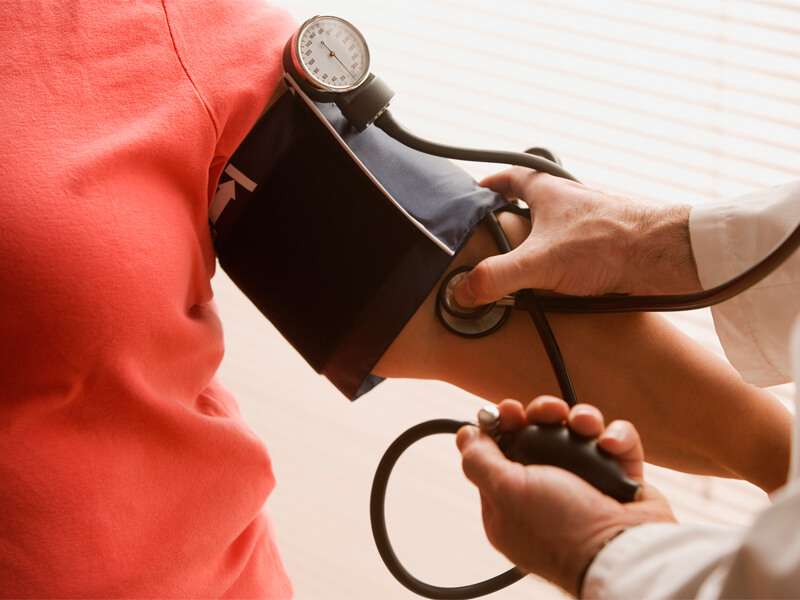
The thyroid gland plays a vital role in regulating metabolism and overall energy levels. Disorders related to thyroid function can affect various bodily processes and require appropriate testing for diagnosis.
- Symptoms of thyroid disorders may include unexplained weight changes, fatigue, and mood fluctuations.
- A simple blood test assesses hormone levels (TSH, T3, T4) for accurate diagnosis of conditions like hypothyroidism or hyperthyroidism.
- Treatment might involve medication to normalize hormone levels or lifestyle adjustments to enhance well-being.
- Your doctor will guide you through what to expect during treatment and monitor your progress regularly.
Taking proactive steps towards thyroid health ensures that symptoms are managed effectively and quality of life is improved.
DIABETES SCREENING
Diabetes is a metabolic disorder characterized by high blood sugar levels over prolonged periods. Early detection through screening is vital to manage or even prevent the onset of this chronic condition.
- Common symptoms include increased thirst, frequent urination, and fatigue, although many patients might be asymptomatic initially.
- A blood test, such as the fasting glucose test or HbA1c test, is utilized for precise diagnosis.
- If diagnosed with diabetes, management options include dietary changes, exercise, and medication as needed.
- The focus is on maintaining optimal blood sugar levels to avoid complications associated with diabetes.
Regular screenings in a general practice setting help identify at-risk individuals before they develop serious health issues.
HYPERTENSION MANAGEMENT
Hypertension, or high blood pressure, is a common condition that can lead to serious health issues if left untreated. It often develops over many years and may not present any symptoms initially; hence, regular check-ups are essential.
- Causes of hypertension include genetics, poor diet, lack of exercise, and chronic stress.
- Diagnosing hypertension involves measuring blood pressure with a sphygmomanometer during routine visits.
- Treatment options typically include lifestyle changes such as adopting a healthier diet and increasing physical activity.
- Medications may also be prescribed to help manage blood pressure effectively.
- Patients can expect regular monitoring to adjust treatment plans based on their response.
Early intervention can prevent complications like heart disease and stroke, making it crucial to remain vigilant about blood pressure levels.