
Dr Tahilianis
About Me
Dr Tahilianis
Dermatologist
Biography
My Clinic
OPD Hours
| Tuesday | Morning | 10:00 AM | - | 02:00 PM |
| Evening | 06:00 PM | - | 09:00 PM | |
| Wednesday | Morning | 10:00 AM | - | 02:00 PM |
| Evening | 06:00 PM | - | 09:00 PM | |
| Thursday | Morning | 10:00 AM | - | 02:00 PM |
| Evening | 06:00 PM | - | 09:00 PM | |
| Friday | Morning | 10:00 AM | - | 02:00 PM |
| Evening | 06:00 PM | - | 09:00 PM | |
| Saturday | Morning | 10:00 AM | - | 02:00 PM |
| Evening | 06:00 PM | - | 09:00 PM | |
| Sunday | Morning | 10:00 AM | - | 02:00 PM |
| Evening | 06:00 PM | - | 09:00 PM | |
| Thursday | Morning | 10:00 AM | - | 02:00 PM |
| Evening | 06:00 PM | - | 09:00 PM |
Treatments
Specialised care and treatments offered
SKIN CANCER SCREENING
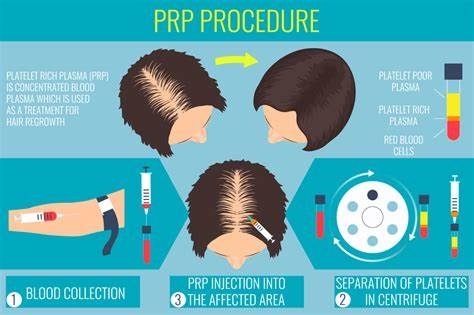
Skin cancer screenings are vital examinations aimed at detecting early signs of skin cancer before they develop into more serious conditions. These screenings are essential for individuals at higher risk due to factors like fair skin or a family history of skin cancers.
- Symptoms/Signs To Look For: Any new moles changing shape/color; existing moles exhibiting asymmetry should raise red flags.
ROSACEA
A chronic inflammatory condition primarily affecting facial areas leads to redness and sometimes pus-filled bumps resembling acne. While anyone can develop rosacea, it commonly emerges between ages 30-50 years old.
- Symptoms: Common signs include facial flushing particularly around cheeks/nose area along with visible blood vessels.
- Causes: Potential triggers involve environmental factors such as sun exposure coupled with genetic predispositions.
- Diagnosis: This diagnosis relies heavily upon visual inspection by healthcare professionals who recognize these hallmark features.
- Treatment Options: Treatments typically involve anti-inflammatory medications alongside lifestyle modifications focused on avoiding known triggers.
- What to Expect:
VITILIGO
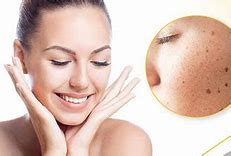
This chronic skin condition causes loss of pigment resulting in white patches on various parts of the body. Vitiligo can affect people at any age but most often appears between ages 20-30 years.
- Symptoms: The main symptom is depigmentation which may occur gradually or suddenly in localized areas.
- Causes: While the exact cause isn’t fully understood, autoimmune responses where the body attacks its own cells are suspected.
- Diagnosis: A dermatologist typically diagnoses vitiligo based on clinical evaluation of depigmented areas.
- Treatment Options: Treatments may include topical corticosteroids or light therapy depending on areas affected.
- What to Expect: Patients may find varying degrees of success with treatments; support groups can help cope with emotional impacts too.
Understanding vitiligo generates awareness about this condition while fostering compassion towards those living with it.
ECZEMA (ATOPIC DERMATITIS)
Eczema is a common skin condition characterized by inflammation that leads to dry, itchy patches on various parts of the body. It often develops in childhood but can persist into adulthood or arise later in life.
- Symptoms: Symptoms include red or brownish-grey patches that may appear scaly or leathery.
- Causes: Genetic factors combined with environmental triggers like pollen or certain foods are known contributors.
- Diagnosis: Typically diagnosed through physical examination along with patient history regarding symptoms and family background.
- Treatment Options: Management often includes moisturizing creams, steroid medications for flare-ups, and avoiding irritants whenever possible.
- What to Expect:The aim is symptom control; many find significant relief through personalized management plans tailored to their triggers.
A thorough understanding of eczema enables patients to manage it effectively over time with appropriate care strategies.
PSORIASIS
This chronic autoimmune condition leads to rapid skin cell growth resulting in thickened patches of skin. Psoriasis can manifest at any age but often appears between the ages of 15 and 35.
- Symptoms: Characteristic symptoms include red patches covered with thick silvery scales that can itch or burn.
- Causes: The exact cause remains unclear but involves an immune system overreaction that triggers inflammation.
- Diagnosis: Diagnosis typically involves a physical examination and reviewing patient history.
- Treatment Options: Treatments range from topical therapies to phototherapy and systemic medications depending on severity.
- What to Expect: Many patients experience periods of flare-ups followed by remission; managing triggers is key to controlling symptoms.
A comprehensive approach could enhance quality of life significantly for those affected by psoriasis.
ACNE VULGARIS
Acne vulgaris is a prevalent skin condition that affects many individuals, particularly teenagers and young adults. It occurs when hair follicles become clogged with oil and dead skin cells, leading to the formation of pimples, blackheads, and cysts.
- Symptoms: Includes whiteheads, blackheads, papules, pustules, and sometimes deeper cysts.
- Causes: Hormonal changes, excess oil production, and bacteria play significant roles in its development.
- Diagnosis: Dermatologists typically assess the condition based on the appearance of the skin and may take a medical history.
- Treatment Options: Over-the-counter topical treatments, prescription medications like retinoids or antibiotics, and lifestyle adjustments can help manage acne effectively.
- What to Expect: With consistent treatment, many patients see improvement within a few weeks; however, it may take longer for severe cases.
Understanding acne vulgaris is crucial for effective management. Early intervention can lead to better outcomes and minimize the risk of scarring.