
Dr Tamiruddin A Danwade
About Me
Dr Tamiruddin A Danwade
Cardiologist
Biography
My Clinic
OPD Hours
| Tuesday | Morning | 10:00 AM | - | 02:00 PM |
| Evening | 06:00 PM | - | 09:00 PM | |
| Wednesday | Morning | 10:00 AM | - | 02:00 PM |
| Evening | 06:00 PM | - | 09:00 PM | |
| Thursday | Morning | 10:00 AM | - | 02:00 PM |
| Evening | 06:00 PM | - | 09:00 PM | |
| Friday | Morning | 10:00 AM | - | 02:00 PM |
| Evening | 06:00 PM | - | 09:00 PM | |
| Saturday | Morning | 10:00 AM | - | 02:00 PM |
| Evening | 06:00 PM | - | 09:00 PM | |
| Sunday | Morning | 10:00 AM | - | 02:00 PM |
| Evening | 06:00 PM | - | 09:00 PM | |
| Thursday | Morning | 10:00 AM | - | 02:00 PM |
| Evening | 06:00 PM | - | 09:00 PM |
Treatments
Specialised care and treatments offered
ATRIAL FIBRILLATION

Atrial fibrillation (AF) represents an irregular heartbeat originating from disorganized electrical signals in the atria of the heart. It’s important due to its association with stroke risk!
- Symptoms may vary but commonly manifest through:< br />- Palpitations or fluttering sensations - Weakness & reduced exercise tolerance - Dizziness leading possibly toward faintness!
- Various causes include underlying disorders such as:< br />- Hypertension causing left atrial enlargement - Previous ischemic strokes posing risk factors among others too!
- Diagnosis typically requires advanced approaches like :< br />- Detailed ECG recording followed by echocardiography offering insight into structural concerns associated within chambers! —(and + more diagnostics if indicated!)…
CHOLESTEROL MANAGEMENT
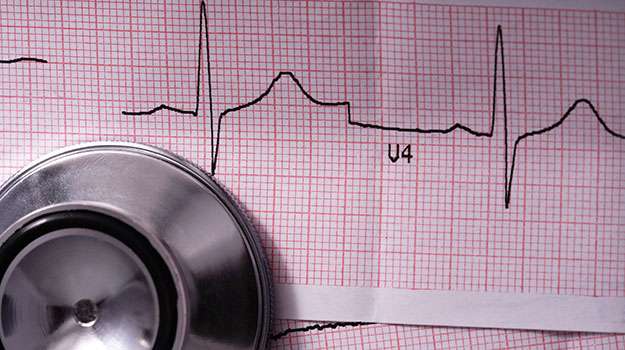
The regulation of cholesterol levels is vital for preventing cardiovascular diseases. High cholesterol often leads to arterial build-up which increases risks associated with heart attacks and strokes!
- Symptoms: Often asymptomatic but may lead to complications when untreated!
- Causes: Diet high in saturated fats, obesity,
and inactivity contribute significantly alongside hereditary factors! - Diagnosis: Blood test called lipid panel measures total cholesterol along with specific types such as LDL & HDL!
- Treatment Options: Lifestyle changes focused on diet improvements & increased physical activity are fundamental alongside statin medications if needed!
- What to Expect: Ongoing assessment ensures target levels are met while educating on healthy dietary choices further enhances outcomes!
Your proactive involvement is critical in managing your overall cardiovascular health effectively!
ARRHYTHMIAS
This term refers to irregular heartbeats which can cause palpitations or dizziness. They vary from harmless sensations to more concerning conditions requiring medication or procedure interventions!
- Symptoms include: - Rapid heartbeat
- Fluttering sensation
- Fainting spells
- Causes range from: - Stress
- Caffeine intake
- Underlying medical conditions
- Diagnosis involves: - ECGs
- Holter monitors
- Event recorders
- Treatments might include: - Medications such as antiarrhythmics
- Lifestyle alters: avoiding triggers
- Procedures like ablation for severe cases
- Expectations post-treatment: - Regular follow-ups will ensure effective management.
- Monitoring symptoms is critical for maintaining heart rhythm stability.
The majority of arrhythmia patients manage their symptoms successfully with care!
HEART FAILURE
A chronic condition where the heart doesn't pump efficiently enough to meet the body's needs. This can occur due to various reasons including coronary artery disease or high blood pressure.
- Symptoms: Signs often include breathlessness during routine activities, swelling in legs or ankles, and unusual fatigue.
- Causes: Common causes include previous heart attack damage and long-standing hypertension which weakens the heart muscle over time.
- Diagnosis: A thorough evaluation typically includes physical exams along with echocardiograms and blood tests to measure heart function.
- Treatment Options: Management generally consists of medications like beta-blockers and diuretics. In some cases, devices that assist the heart's pumping mechanism may be recommended.
- What to Expect: Heart failure is manageable; however, it requires regular monitoring and treatment adjustments for optimal management and improved well-being.
A comprehensive approach can enhance life quality significantly even with this diagnosis.
CORONARY ARTERY DISEASE
This condition occurs when the arteries supplying blood to the heart become narrowed or blocked due to plaque buildup. It is a leading cause of heart-related issues worldwide.
- Symptoms: Common indicators include chest pain (angina), shortness of breath, and fatigue during physical activity.
- Causes: Risk factors include smoking, high cholesterol levels, diabetes, and a family history of heart disease.
- Diagnosis: Heart imaging tests such as angiograms or stress tests help identify blockages in the coronary arteries.
- Treatment Options: Treatment may involve lifestyle changes, medications like statins for cholesterol control, or procedures such as angioplasty or bypass surgery based on severity.
- What to Expect: Ongoing management is key. With treatment adherence and lifestyle adjustments, patients can significantly improve their quality of life.
Catching this disease early can prevent severe complications like heart attacks.
HYPERTENSION
Hypertension, commonly known as high blood pressure, is a condition that affects millions globally. It often develops over many years and can lead to serious health problems if left unchecked.
- Symptoms: Many people may not experience symptoms, but headaches, dizziness, and nosebleeds can occur in severe cases.
- Causes: Factors include genetics, a sedentary lifestyle, excess salt intake, and obesity.
- Diagnosis: Regular monitoring of blood pressure readings is crucial. A doctor may also conduct blood tests or an ECG to assess heart function.
- Treatment Options: Lifestyle changes such as diet modification and exercise are essential. Additionally, medications like diuretics or ACE inhibitors may be prescribed.
- What to Expect: Managing hypertension often requires ongoing care and regular follow-ups to monitor levels and adjust treatments as necessary.
With proper management, individuals with hypertension can lead full, active lives while reducing their risk of heart disease.