
Dr Tanmay Kabra
About Me
Dr Tanmay Kabra
DO
Ophthalmologist
10 Years Experience
Biography
My Clinic
OPD Hours
| Monday | Morning | 10:00 AM | - | 02:00 PM |
| Evening | 06:00 PM | - | 09:00 PM | |
| Tuesday | Morning | 10:00 AM | - | 02:00 PM |
| Evening | 06:00 PM | - | 09:00 PM | |
| Wednesday | Morning | 10:00 AM | - | 02:00 PM |
| Evening | 06:00 PM | - | 09:00 PM | |
| Thursday | Morning | 10:00 AM | - | 02:00 PM |
| Evening | 06:00 PM | - | 09:00 PM | |
| Friday | Morning | 10:00 AM | - | 02:00 PM |
| Evening | 06:00 PM | - | 09:00 PM | |
| Saturday | Morning | 10:00 AM | - | 02:00 PM |
| Evening | 06:00 PM | - | 09:00 PM | |
| Sunday | Morning | 10:00 AM | - | 02:00 PM |
| Evening | 06:00 PM | - | 09:00 PM |
Treatments
Specialised care and treatments offered
DIABETIC RETINOPATHY MONITORING
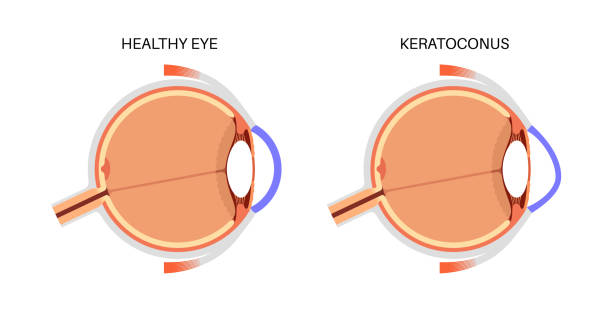
An important complication of diabetes affecting retinal blood vessels which can impair eyesight progressively. Proper control reduces risks significantly but regular surveillance remains essential for early detection of changes in retinal health.
- Syndrome features: Microaneurysms, hemorrhages, fluid leakage leading to blurred or distorted vision as disease progresses;
GLAUCOMA MANAGEMENT
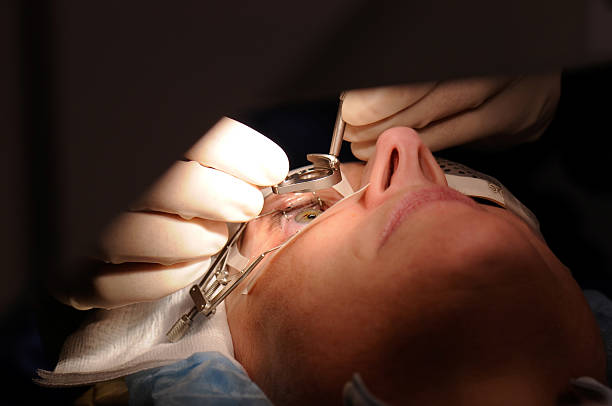
This group of optic nerve diseases can lead to irreversible vision loss if untreated. Glaucoma often presents silently until significant damage occurs, so early detection is key.
- Main causes and symptoms: Increased intraocular pressure damaging optic nerve fibers; may include peripheral vision loss and halos around lights in advanced stages.
- Detection techniques: Measurement of intraocular pressure (tonometry), optic nerve imaging, and visual field testing help diagnose glaucoma early on.
- Treatment options: Eye drops to lower pressure are first-line; laser therapy or surgery considered if medical management fails.
- Lifelong follow-up importance: Regular check-ups monitoring progression prevent severe outcomes like blindness through timely intervention adjustments.
A comprehensive care plan ensures preservation of remaining vision despite this chronic condition’s stealthy nature.
PEDIATRIC AMBLYOPIA TREATMENT
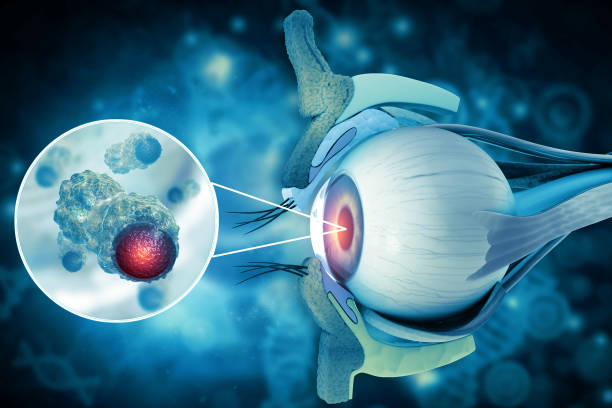
Amblyopia, often called 'lazy eye,' is a vision development disorder where one eye fails to achieve normal visual acuity during childhood. Early intervention is vital.
- Identification symptoms: Poor vision in one eye without obvious structural problems; sometimes crossed eyes or poor depth perception.
- Diagnostic procedures: Vision screening tests tailored for children including covering each eye separately to assess function.
- Treatment approaches: Corrective glasses, patching the stronger eye to stimulate the weaker one, or atropine drops to blur the good eye temporarily encouraging use of the amblyopic eye.
- Treatment timeline: Most effective when started before age 7 but benefits can continue beyond early childhood with consistent therapy.
Tackling amblyopia promptly prevents lifelong vision impairment and supports normal visual development in young patients.
DRY EYE SYNDROME
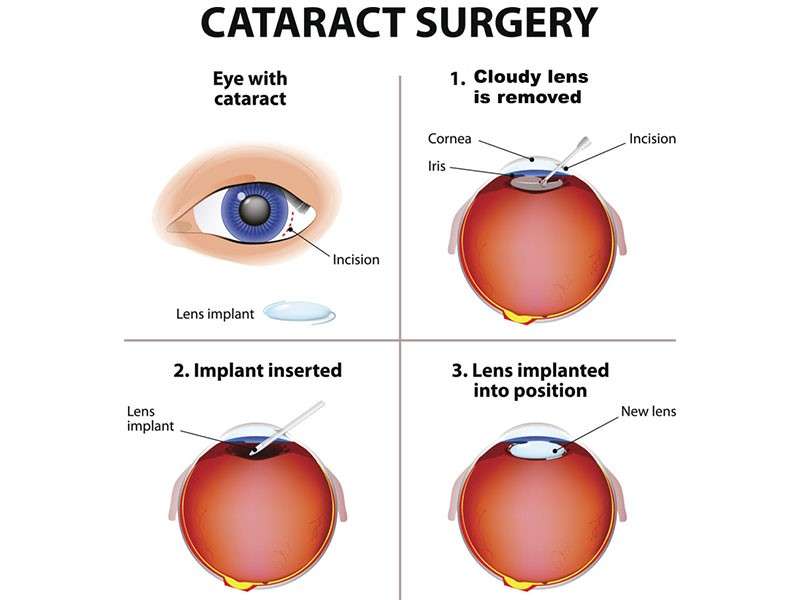
Dry eye syndrome occurs when tear production is inadequate or tears evaporate too quickly, causing discomfort and potential damage to the ocular surface.
- Common symptoms: Burning sensation, redness, itchy eyes, blurred vision that fluctuates throughout the day.
- Diagnosis methods: Tear film assessment using specialized dyes and measuring tear production rates helps confirm diagnosis.
- Treatment strategies: Artificial tears, lifestyle modifications like reducing screen time, warm compresses, and sometimes medications to reduce inflammation.
- The importance of management: Without effective treatment, dry eyes can lead to complications such as corneal ulcers or infections.
A proactive approach ensures comfort and preserves eye health in those affected by chronic dryness.
CATARACT SURGERY
Cataracts cause clouding of the eye's natural lens, leading to blurry vision and difficulty seeing clearly. This condition is common as people age but can affect individuals at different life stages.
- Symptoms and causes: Gradual vision loss, faded colors, glare sensitivity; mainly due to aging or eye injury.
- Diagnosis: Comprehensive eye exam including visual acuity tests and slit-lamp examination.
- Treatment options: Surgical removal of the cloudy lens followed by implantation of an artificial intraocular lens is the primary treatment.
- What to expect: The procedure typically lasts under an hour with minimal discomfort; most patients notice improved vision within days.
- Post-surgery care: Use prescribed eye drops and avoid strenuous activities temporarily for optimal recovery.
This surgery significantly restores vision and enhances daily life quality when cataracts interfere with normal sight.